Mattia Ardenghi, a young leader in the Prosecco DOC industry, shares his insights on global market trends for sparkling wines. He emphasizes the resilience of Prosecco in international markets, the company’s evolving product range, and their focus on younger consumers through elegant packaging and sustainability initiatives. Ardenghi also highlights their significant export success in key global regions.
Mattia Ardenghi has been leading the Prosecco DOC company, mainly located between Fossalta di Piave and Meolo, for 15 years. He is one of the new generation of Prosecco producers. We gathered his insights on the trends foreign markets are showing towards Italian sparkling wines and explored the strategies his company is employing to achieve its international targets.
Mattia, how do you interpret the global market situation at this moment?
It is clear that there is a period of stagnation and contraction in the demand for still red wines, particularly those that are structured and with a lot of extract. The situation for white wines is certainly better. The rosé market is also quite lively, and, above all, sparkling wines are showing great resilience and remain an important driving force for Italian exports, especially when associated with some of the major denominations representing our country.
Is this a positive time for the denomination and your company?
You could certainly say so, although it is important to constantly battle against the rising competition from low-cost, low-quality sparkling wines in the global market. I believe that success in foreign markets is only possible with a strong brand and a management team capable of handling the waiting periods, guiding the product into new markets without haste and supporting it with a medium-to-long-term strategy.
Prosecco DOC, in general, is performing well in international markets, both in traditional consumption patterns—where it has become the perfect complement, often enjoyed throughout a contemporary and convivial meal—and as part of fusion, ethnic, and Asian cuisine.
Read also: Prosecco Doc by Ardenghi
Its ease of consumption and the growing global familiarity with sparkling wines are helping to create a favorable channel for Prosecco’s expansion beyond national borders. A wine that doesn’t require aging is more agile and versatile, able to meet market demands more quickly and effectively.
How has your product range evolved to keep pace with an increasingly demanding market?
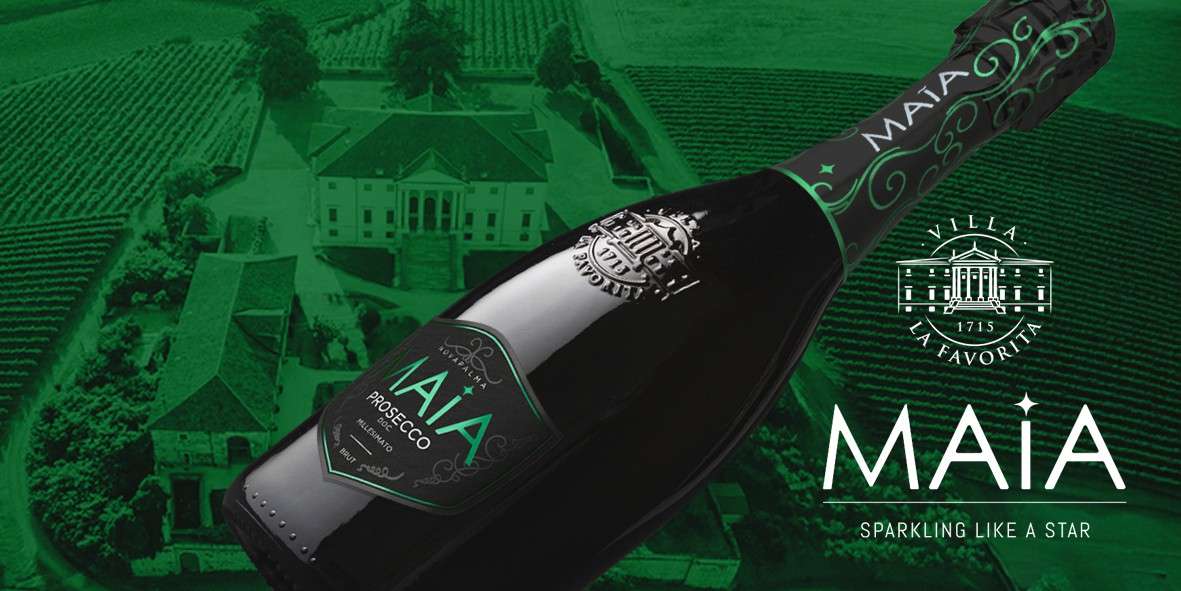
We started with the production of Extra Dry, which historically had gained the market’s favor. Then, we expanded the range to include Brut, which I believe better meets current demand. The Rosé followed, once the regulations allowed us to vinify Pinot Noir, which we were already using for white labels.
Read also: Ardenghi’s signature on Prosecco DOC
Today, we export 70% of our production, particularly to Northern Europe, the Benelux countries, Asian markets such as Japan and Korea, and overseas markets like California and New York.
We are truly proud to see how well our sparkling wines pair with a borderless cuisine. Let me give you a few examples: our Prosecco DOC Rosé Millesimato Extra Brut has been successfully paired with Finnish reindeer meatballs and Romanian vine leaf rolls, or sarmale. Our Prosecco DOC Millesimato Extra Dry is perfect with Japanese tempura, and we believe it’s the ideal companion for traditional fish and chips in the UK. The Prosecco DOC Millesimato Brut, in my opinion, is well-suited to accompany classic Swiss dishes like fondue, raclette, and rösti.
We are convinced that there is still significant growth potential in key markets for us, such as the UK and Switzerland.
Overall, we can say we have a product portfolio capable of meeting the demands of a very discerning HoReCa channel, which often seeks personalized attention.
Our range includes Prosecco DOC and Prosecco Conegliano-Valdobbiadene DOCG, with a good selection of still wines. We work extensively with the hotel segment and have also developed private label productions for prestigious hotels in Rome and Milan.
How is Ardenghi engaging with young consumers in the global market?
First of all, the consumption occasions for Prosecco are linked to conviviality, sharing, and a sense of celebration, even within a traditional meal. This certainly brings us closer to the younger consumer demographic, as the type of product we offer naturally facilitates this connection.
Read also: A good time for Prosecco DOC: Ardenghi’s strategy
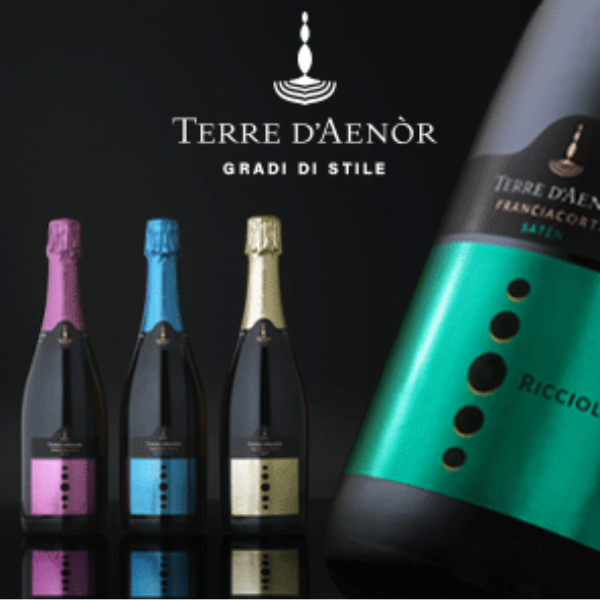
In terms of our production, we have placed a strong emphasis on packaging, making it elegant, contemporary, and sexy: the shape of the bottle, the play of colors on the labels, and the company’s logo all emphasize the hedonistic aspect of consumption. Warm colors for the Dry, blue for the Brut, and pink for the Rosé; it’s a refined touch that also plays on seduction.
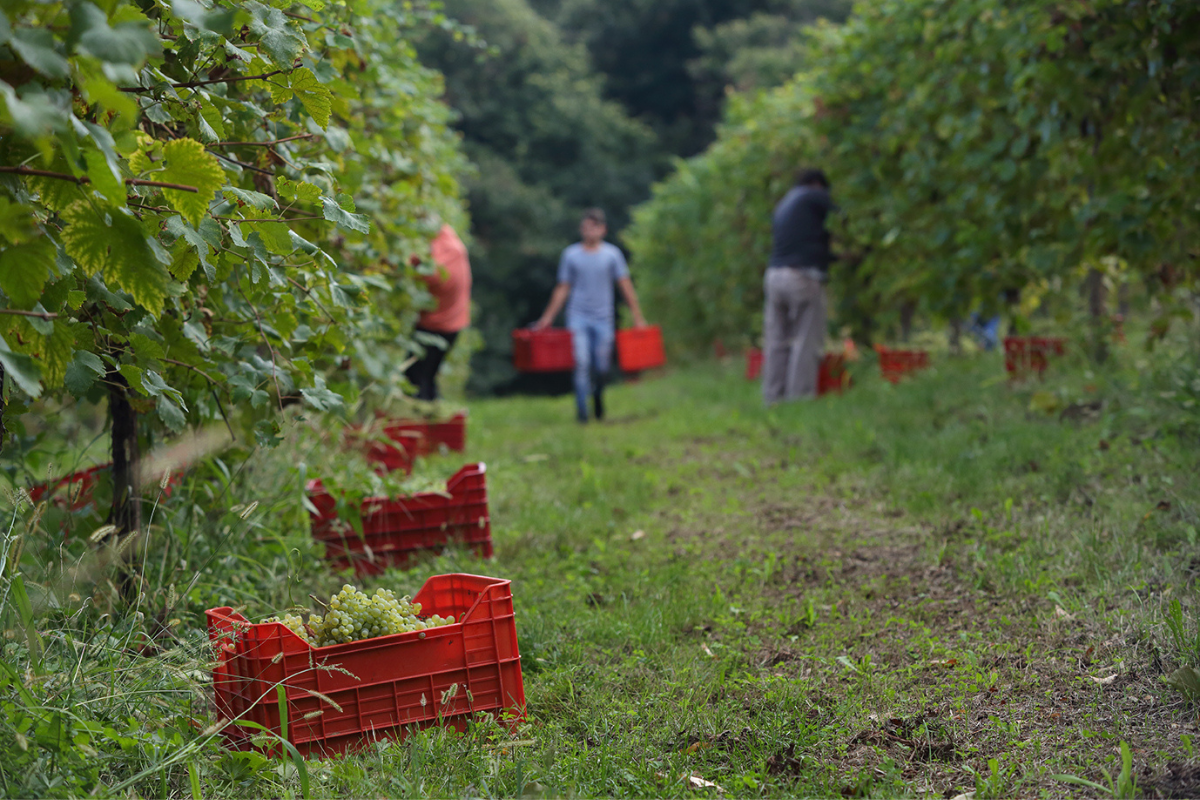
We have also responded to the growing demand for sustainability among younger market segments by adhering to the SQNPI protocol, a quality system based on integrated production that ensures compliance with technical standards for agricultural management, fertilization, irrigation, and vineyard protection against adversities.
Read also: Ardenghi: the path to foreign markets goes through quality and seduction

Key Points:
- Market Resilience: Despite global stagnation in red wine demand, sparkling wines like Prosecco are thriving internationally, particularly in pairing with diverse cuisines.
- Product Range Evolution: Ardenghi has expanded their Prosecco range from Extra Dry to Brut and Rosé to meet evolving market demands, especially in Northern Europe, Asia, and the U.S.
- Sustainability & Youth Engagement: The brand focuses on sustainable practices (SQNPI protocol) and modern, attractive packaging to appeal to younger consumers.
- Global Success: Ardenghi exports 70% of its production and highlights the importance of Prosecco’s versatility with international dishes, from Finnish to Japanese cuisine.