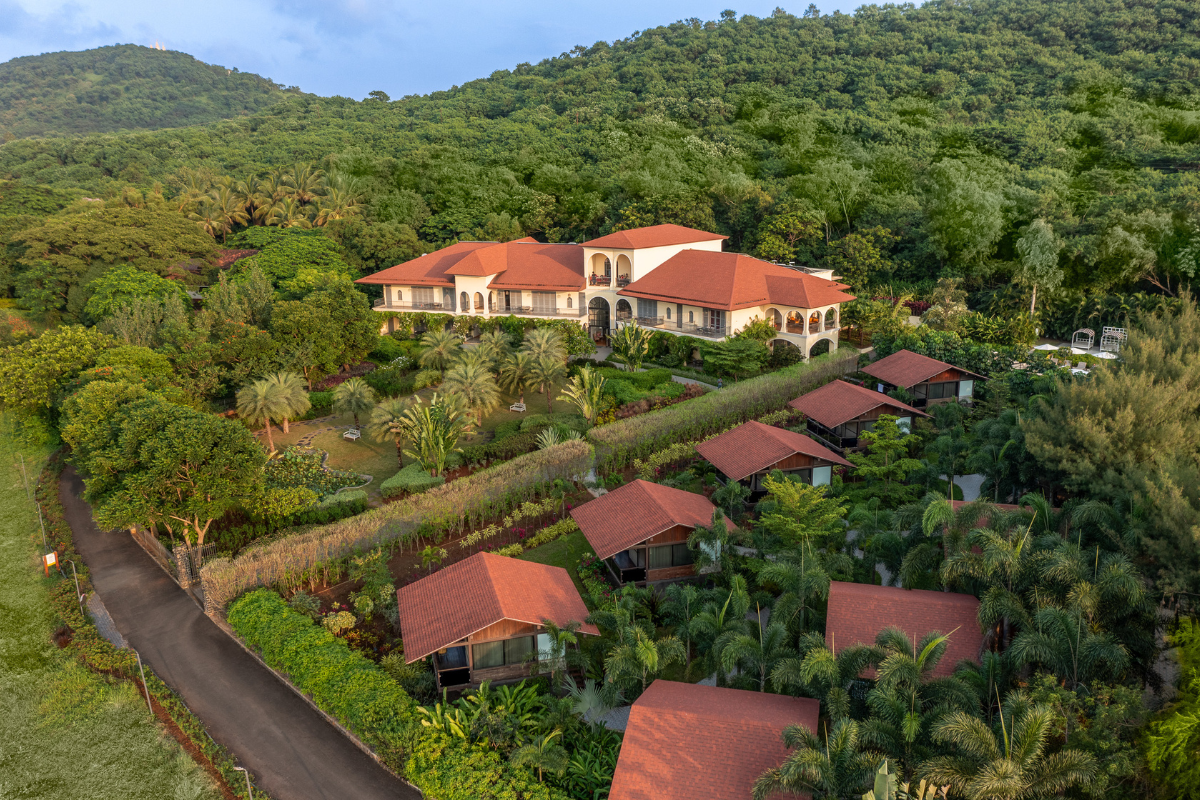
Sula Vineyards in India, a pioneer in Asian wine tourism, welcomes over 500,000 visitors annually. With inclusive experiences, sustainable practices, and a vibrant atmosphere, Sula has become a cultural and wine tourism icon. This winery exemplifies the fusion of wine, education, and hospitality, offering lessons in innovation and adaptability for the global wine industry.
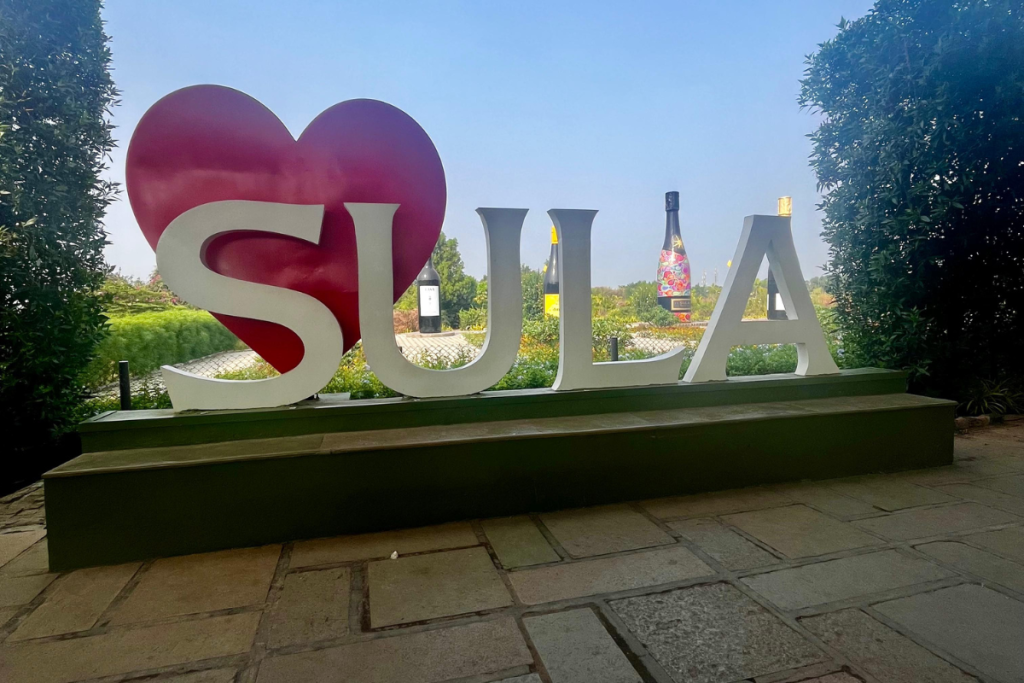
Visiting a winery in India wasn’t part of our initial plans for the trip to ProWine Mumbai, but how could we resist such a unique winemaking reality?
After exploring wineries in Europe, Africa, America, and we are waiting for our Australian adventure at the end of December, Asia became a mandatory stop. That’s how we found ourselves in Nashik, at Sula Vineyards: India’s most famous and visited winery and a true giant of Asian wine tourism.
Sula Vineyards: a story of vision and adaptation
Founded in 1999 by Rajeev Suresh Samant, Sula was born from an insight cultivated in the hills of Nashik, a region already renowned for table grapes. Rajeev, with a Stanford education and work experience in California, transformed his family’s land into a visionary project. Not only did he establish India’s first winery, but he also became a benchmark for the country’s entire wine industry.
Wine tourism without borders where experience is central
What’s striking about Sula Vineyards is their ability to welcome everyone, excluding no one. Families, young people, wine enthusiasts, and casual visitors, they can all find an experience tailored to their needs. With two resorts, four restaurants (including one Italian, a tribute to our culinary culture), a wine shop, a panoramic bar, and a winery that is always open to visitors, Sula is a microcosm of wine tourism.
Every year, they host over half a million visitors, with tours running at a rapid pace: every hour on weekdays and every half-hour on weekends, each with around twenty participants. This unrelenting flow doesn’t stop at guided tours: visitors can enjoy a glass at the wine bar, dine at the restaurant, have a picnic, or simply soak in the scenic views.

What surprised us the most is that wine, though the protagonist, isn’t the only focus of the experience. The winery is a vibrant space designed to be explored freely. There are no rigid controls or mandatory paths: everything is structured to allow visitors the freedom to choose.
Even the youngest visitors can find their space: the tours are inclusive, and the setting – which is enriched by temples and natural landscapes – perfectly complements an experiential tourism model.
Events are a significant asset for the company: one of the most original initiatives is the Sula Wine Fest, held every year in February. It’s the third-largest festival in India, featuring live music, markets, gourmet food, and, of course, wine tastings. This event, that will reach its 14th edition in 2025, attracts young people from around the world and serves as a brilliant example of how wine can become a cultural catalyst.
Sustainability in every aspect
Sula is a well-oiled machine, excelling not only in hospitality but also in production. Across over 1,200 hectares between Nashik and Bangalore, they produce 14 million liters of wine annually, spanning 35 labels. While their main market is India, they export to 30 countries.
Sustainability is central to their philosophy: from the use of solar panels to converting their vineyards to organic practices, and even choosing plastic stoppers to keep wines fresh at reduced costs. The workforce is also a priority: most agricultural workers have long-term contracts, ensuring stability and expertise in vineyard management.
What can we learn from Sula?
Sula Vineyards teaches us that becoming a reference point in the wine world means investing in people and in the quality of the experience. Sula’s educational programs, which range from wine tastings for consumers to specialized courses for distributors and industry professionals, demonstrate that knowledge is a key tool in fostering a wine culture.

The government-imposed ban on alcohol advertising in India has led the company to redirect its marketing budget toward enhancing the property and its wine tourism offerings. This strategic approach has transformed Sula into a destination rather than just a wine producer. Their ability to attract over half a million visitors annually showcases how a well-crafted experience can overcome the limitations of the traditional market.
In a country where Sula’s wines dominate the domestic market but reach only 2% of the population, the company has chosen to focus on the domestic market rather than overly pursuing export opportunities. This strategy of prioritizing the internal wine culture reflects a clear and forward-thinking vision.
Sula Vineyards reminds us that success isn’t measured solely in sales but in the ability to educate, engage, and inspire. It’s a lesson the Italian wine world, with its rich tradition and vast potential, could embrace to strengthen connections with consumers and build a solid foundation for the future.
Key points
- Sula Vineyards welcomes 500,000+ visitors yearly with inclusive, vibrant wine tourism experiences.
- Events like Sula Wine Fest integrate music, food, and wine, attracting global audiences.
- Sustainability drives Sula’s practices, from organic vineyards to solar energy use.
- Strategic focus on domestic wine culture strengthens Sula’s market leadership.
- Innovative marketing circumvents India’s alcohol advertising restrictions.