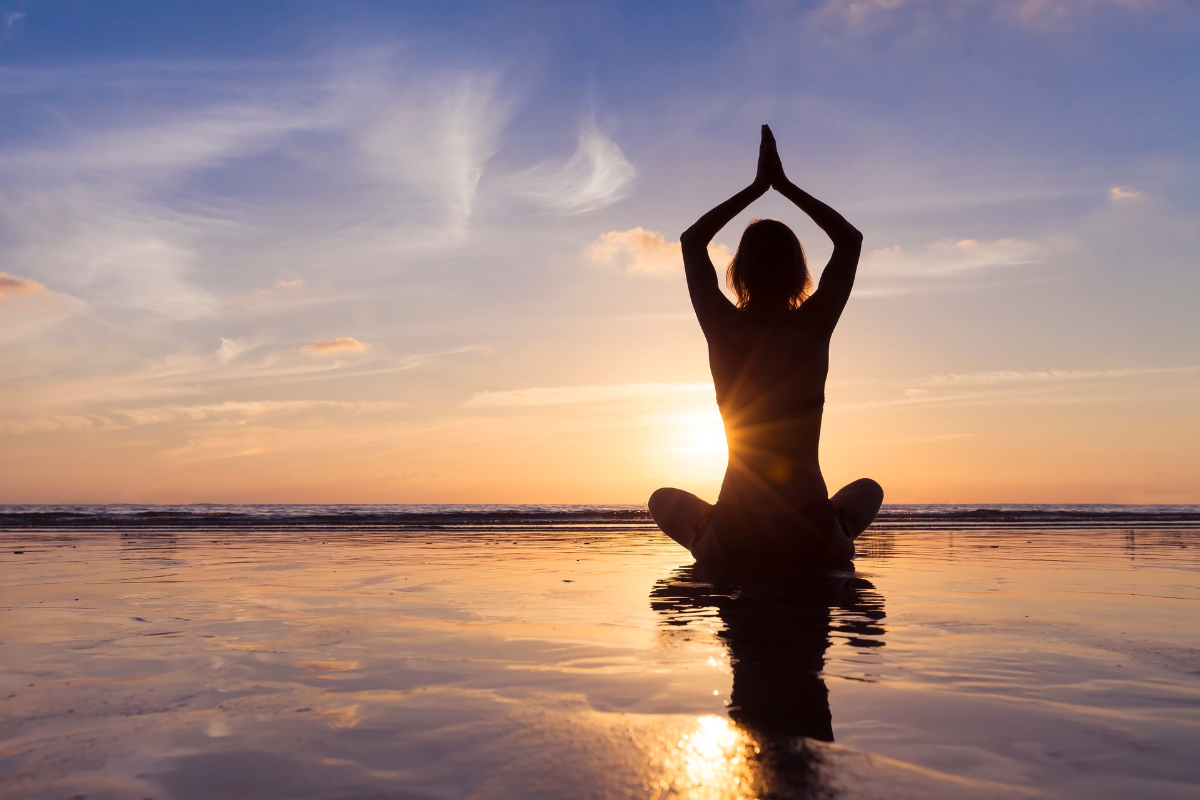
The mindful well-being trend is reshaping consumer behavior, emphasizing moderation, balance, and authentic experiences. Wine, often perceived as incompatible with wellness, actually aligns perfectly with this philosophy. This article explores how mindful consumers can enjoy wine responsibly, embracing its slow nature, social benefits, and sensory pleasures while maintaining a balanced lifestyle.
I return once again to Diageo’s report, which I consider to be one of the most insightful and in-depth studies on the trends for 2025 regarding emerging consumer expectations on a global scale.
I have already written about the profile of the “new hedonists” in a recent article—The Search for the “Memorable,” the Difficult Challenge for Wine Businesses. In this editorial, however, I want to focus on another category: the consumers of “mindful well-being,” to understand how the wine world must and will need to relate to this group.
Consumers linked to the mindful well-being trend perceive well-being in a much more holistic way than in the past, integrating physical, mental, social, and digital health. They no longer settle for simply eating healthy or exercising: they want to feel good in every aspect of their lives. The focus is on personal choices that reflect their identity, respect their values, and enhance their emotional balance.
In summary, the needs of this consumer category can be defined in five key points:
- Moderation and balance
- They are drawn to balanced approaches to socializing and consumption, such as “zebra striping” (alternating between alcoholic and non-alcoholic drinks).
- They appreciate events and occasions that are less frantic, with a strong desire for deceleration to reduce stress and live in the moment.
- Mental well-being as a priority
- They prioritize mental health, seeking solutions to manage stress, practice mindfulness, and improve their emotional resilience.
- They look for tools and resources that help them balance work and personal life, especially as remote work has reshaped personal dynamics.
- Digital-physical balance
- They feel the need to detox from digital overload through “digital detox” to reconnect with reality.
- However, they do not want to give up the benefits of technology, seeking solutions that reduce digital fatigue without losing innovation.
- Focus on self-esteem and personal empowerment
- They explore themes such as self-acceptance, personal growth, and building healthy relationships.
- They seek environments and products that help them express their identity without needing external validation.
- Conscious dietary and lifestyle choices
- They are interested in eating habits that improve health, such as plant-based diets and functional foods.
- Their awareness extends to wellness products, such as body treatments, innovative therapies, and relaxation solutions.
If we think about it, many—including myself—will recognize themselves in several of the expectations listed above. I am also convinced that none of these needs are incompatible with wine consumption—in fact, quite the opposite.
The pursuit of “moderation and balance” is actually the ideal and absolute best approach to enjoying wine.
I have enjoyed wine since I was eighteen, and only once did I go overboard, an experience I recall negatively. And I never exceeded my limit—not out of moral rigidity, but simply because excess would have prevented me from experiencing true pleasure.
I am sure that all those who approach wine consumption with the principle of moderation understand perfectly what I am saying. They belong to the large category of consumers who deeply know and appreciate the pleasures of wine. Excess is and always will be the opposite of achieving lasting and complete satisfaction.
For this reason, I consider it “dangerous”—even if understandable—to promote moderate wine consumption merely out of fear of breathalyzers. Similarly, it is also limiting to advocate moderate drinking only for health reasons. The truth is, moderate wine consumption is the key to appreciating it.
For this reason, perhaps the best message we should communicate to consumers around the world is: “If you want to enjoy wine, drink less.” Considering that more than 80% of potential wine consumers worldwide have never approached it, even a small percentage increase in global consumption would eliminate any overproduction issues, both now and in the future.
Moreover, wine is an extraordinary slow product, perfectly aligning with those seeking a less frantic life and a personal deceleration. It is no coincidence that wine tourism is one of the most appreciated travel models today, as it effectively responds to the widespread need for a slower-paced lifestyle.
Finally, one last thought on the pursuit of “healthy relationships.” I may be biased, but if there is one product that truly fosters conviviality in the most pleasant and positive way, it is wine.
Of course, this is only possible through the extraordinary practice of moderation, which should no longer be seen as a restriction but rather as a genuine, authentic tool for mental and physical well-being.
Read also: The search for the memorable: a tough challenge for wine businesses
Key points
- Mindful consumers seek moderation, balance, and authenticity—wine aligns naturally with this lifestyle.
- Moderate wine consumption enhances enjoyment, avoiding excess while preserving pleasure and conviviality.
- Wine tourism supports slow living, responding to the growing demand for deceleration and meaningful experiences.
- Promoting wine through moderation, not fear, strengthens its appeal to new consumers worldwide.
- Wine fosters healthy social interactions, reinforcing its role in mindful, balanced lifestyles.