Managing diverse groups of wine tourists can be challenging for Hospitality Managers. From wine experts to casual visitors and families, balancing different expectations requires clear communication, adaptability, and engagement techniques. This article explores three essential strategies: setting expectations early, understanding visitor preferences, and using humor and games to create an inclusive and enjoyable winery experience.
The role of a Hospitality Manager in the wine industry is incredibly fascinating, but not without challenges. One of the greatest difficulties they face is managing groups of wine tourists that are remarkably diverse.
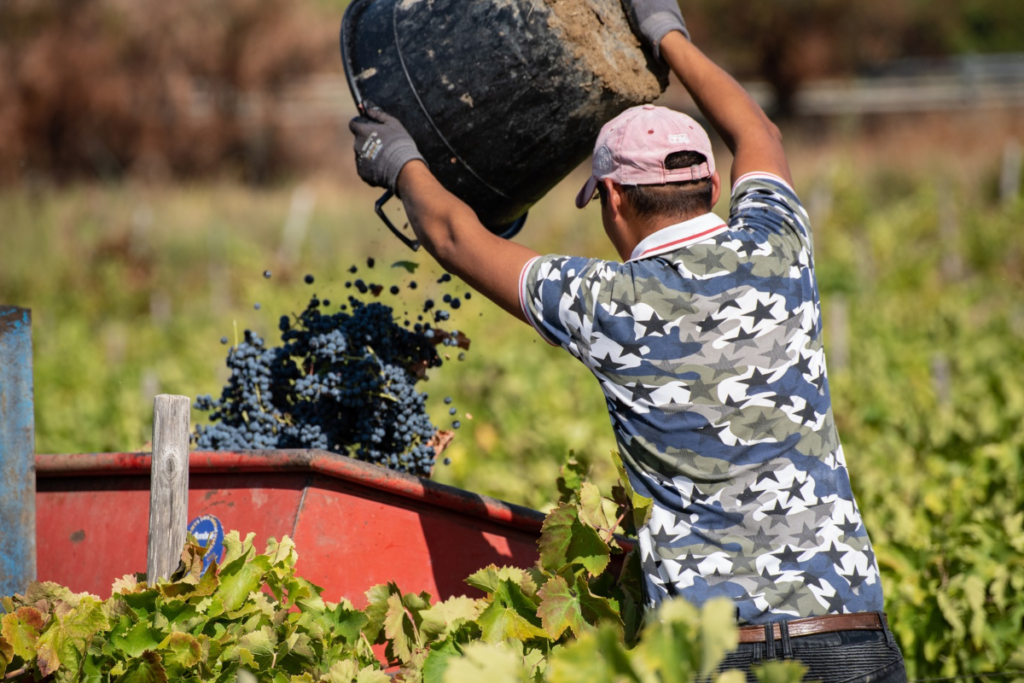
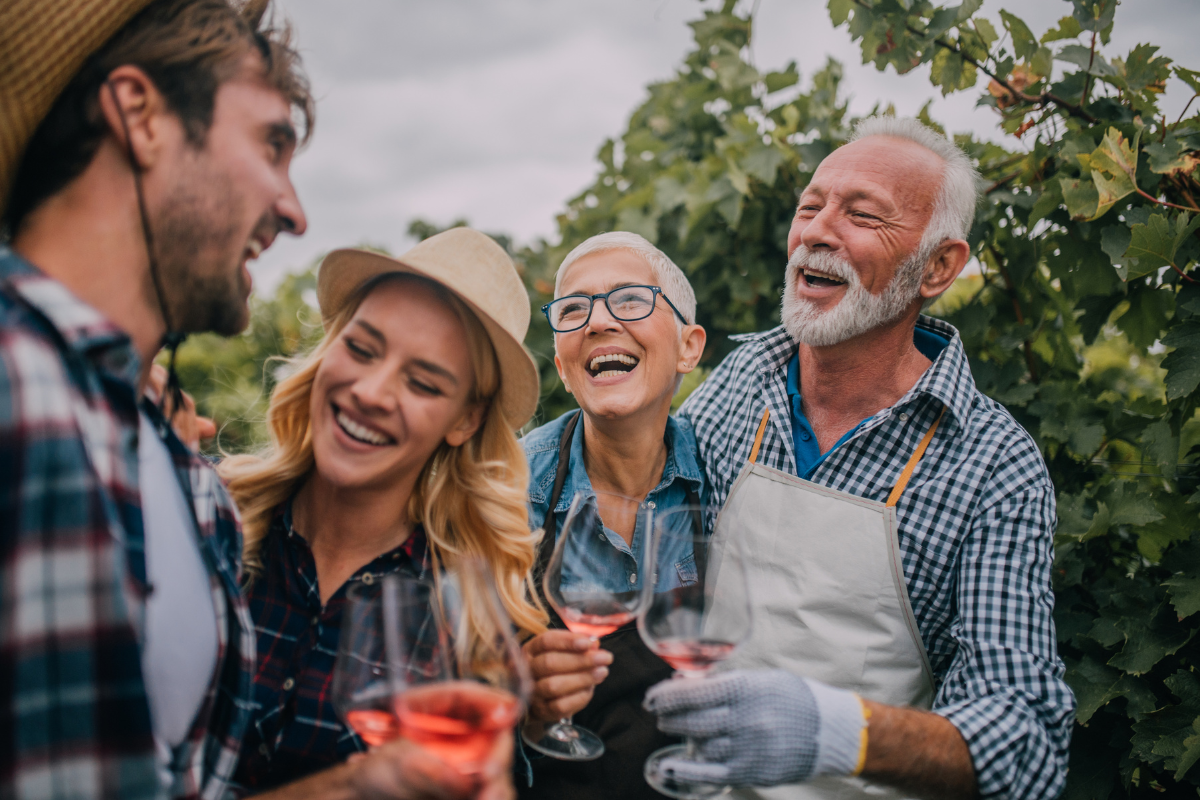
Imagine the scene: a group of visitors arrives at the winery. Some are true wine connoisseurs, eager to dive into technical details and aromatic nuances, while others are looking for a more relaxed experience—perhaps a pleasant walk among the vineyards or the perfect photo to share on social media. To make things even more complex, there may be families with small children, partners brought along by enthusiastic friends, or casual visitors exploring wine for the first time.
And here arises one of the most common challenges: how to manage such a varied group without disappointing anyone?
It’s not just a matter of empathy or good communication skills; it also requires a set of well-thought-out techniques and strategies. A good Hospitality Manager must be like a chameleon, able to adapt to the different expectations and interests that emerge during the visit.
Three strategies for managing diverse groups of wine tourists
- State your intentions at the beginning of the visit
The first step to tackling the challenge is to immediately express your commitment to making the experience enjoyable for everyone. A friendly and honest introduction, where the Hospitality Manager explains that there will be both technical moments for enthusiasts and lighter moments for those who simply want to enjoy the experience. Stating this from the outset can already ease a lot of tension.
- Ask questions to understand the participants’ level and interests
You can’t manage a diverse group without getting to know them first. During the first few minutes of the visit, asking simple questions to understand the audience is essential. “Who among you is already a wine enthusiast?” or “Who is visiting a winery for the first time?” These questions pave the way for a smoother and more personalized experience.
- Dedicate time and energy to everyone, with humor and games
Finally, it’s important to keep the atmosphere light and engaging. Humor and interactive games can be powerful tools to break the ice and maintain attention. For instance, during a tasting, you could introduce an informal challenge: whoever correctly guesses the dominant aroma wins a small prize. A playful activity is often a great way to engage both novices and experts, creating a sense of participation.
In an increasingly diverse and dynamic wine tourism landscape, today’s Hospitality Manager must balance technical knowledge with warm hospitality, a passion for wine with the art of empathy. And when a diverse group is successfully engaged, the result is a memorable experience for everyone.
Read also: How to best manage walk-in wine tourists: tips for wineries
Key points
- Set clear expectations: Start the visit by explaining how both experts and casual tourists will have an engaging experience.
- Identify visitor interests: Ask simple questions early on to tailor the tour to different knowledge levels and preferences.
- Use humor and games: Interactive elements keep the atmosphere lively and engage both novices and wine enthusiasts.