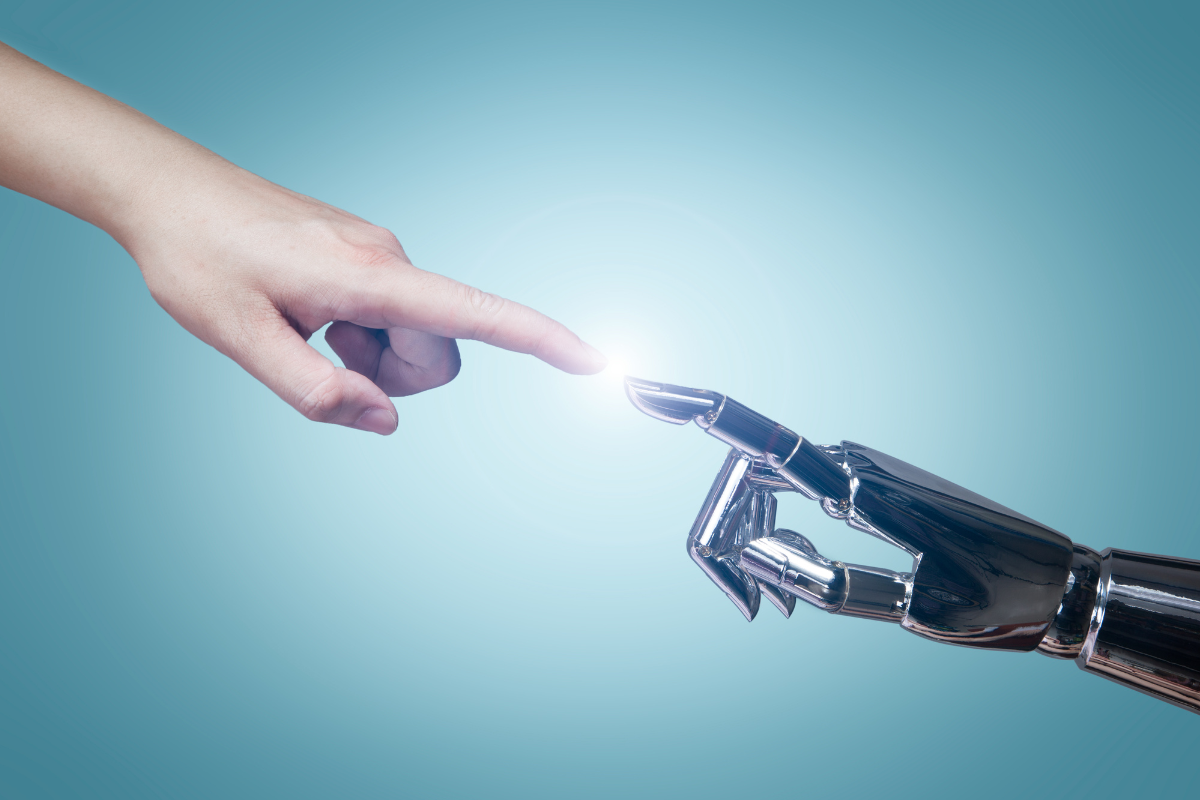
Artificial intelligence is revolutionizing the way we produce and consume wine journalism. This article explores how journalists must evolve—moving beyond basic descriptions to become interpreters, storytellers, and community builders. The real threat isn’t AI, but mediocrity. Embracing innovation with authenticity is the key to staying relevant.
I don’t know if you’ve noticed, but even today, when people talk about artificial intelligence, they often do so in future terms, as if it’s something not yet fully present—if not superficially. I frequently hear questions like: “What impact could AI have in a certain sector? In a specific activity?” As if the impact of AI were something still to be verified or evaluated in terms of future perspective.
I’m not sure whether this “futuristic” view of AI is due to naivety, ignorance, or fear of facing reality, but regardless of the reason, artificial intelligence has already had a “disruptive” impact for some time and is transforming many sectors in decisive ways.
And if there’s one field where AI is having a particularly strong impact, to put it mildly, it’s journalism—or more precisely, information.
Let’s not beat around the bush: AI is completely transforming journalism, replacing that part focused on creating content from press releases or pre-structured sources (e.g. articles, reports).
In this area, artificial intelligence is now so much better and more reliable than any human editor that debating whether it’s appropriate to use AI is like asking whether it’s faster to reach Sardinia by swimming or by ferry.
This made me wonder how much AI is already influencing—and could further influence—wine journalism. So I asked ChatGPT, and here is the answer I received:
In a world where artificial intelligence can collect, analyze, and synthesize information faster than ever, wine journalism must evolve. It’s no longer enough to just describe wines and territories: journalists must interpret, inspire, and guide. Only then will they remain relevant, rather than replaced by algorithms.
The change underway: opportunities and risks
Today, AI can write accurate articles, pulling from thousands of sources in seconds. It can generate summaries, comparisons—even craft believable narratives. But while automation can free journalists from repetitive tasks, it risks reducing the profession to mere content assembly.
Those who stick to “cut and paste” journalism without adding personal value will be swept away. And the truth is, this isn’t about the future—it’s already happening.
What AI will never be able to do
Despite its power, AI cannot:
- Feel emotions.
- Have out-of-the-box intuitions.
- Share first-hand experiences.
- Create authentic emotional connections with the reader.
In the world of wine—where storytelling involves emotions, places, people, and stories—AI can help accelerate processes, but it cannot replace the soul of a true journalist.
Human value lies in the ability to filter, interpret, and narrate with empathy.
What the wine journalist of today (and tomorrow) must become
Wine journalists can no longer simply “describe” wine. They must:
- Become curators of experiences: selecting, telling, and interpreting authentic stories.
- Think critically: asking new questions and challenging ready-made truths.
- Cultivate a personal style: vibrant, recognizable, with a unique narrative voice.
- Embrace AI as a tool: to improve speed, accuracy, and research, without losing their own voice.
- Build communities: creating spaces (physical or digital) where wine storytelling becomes dialogue, exchange, and relationship.
In summary
AI is not the enemy of wine journalism. The real threat is mediocrity.
Those who evolve, raise the bar, and add true value to their content will not only survive but thrive in richer, more meaningful spaces.
Those who settle for easy, repetitive content… will inevitably be replaced by an algorithm.
The future of wine journalism is not resisting AI—it’s becoming more human than ever.
Key points
- AI is already transforming journalism, including wine journalism.
- Repetitive, value-less content is easily replaceable by algorithms.
- Emotions, personal experiences, and empathy remain human strengths.
- Wine journalists must curate, interpret, and build communities.
- AI is a tool, not a threat…if used with intelligence and style.