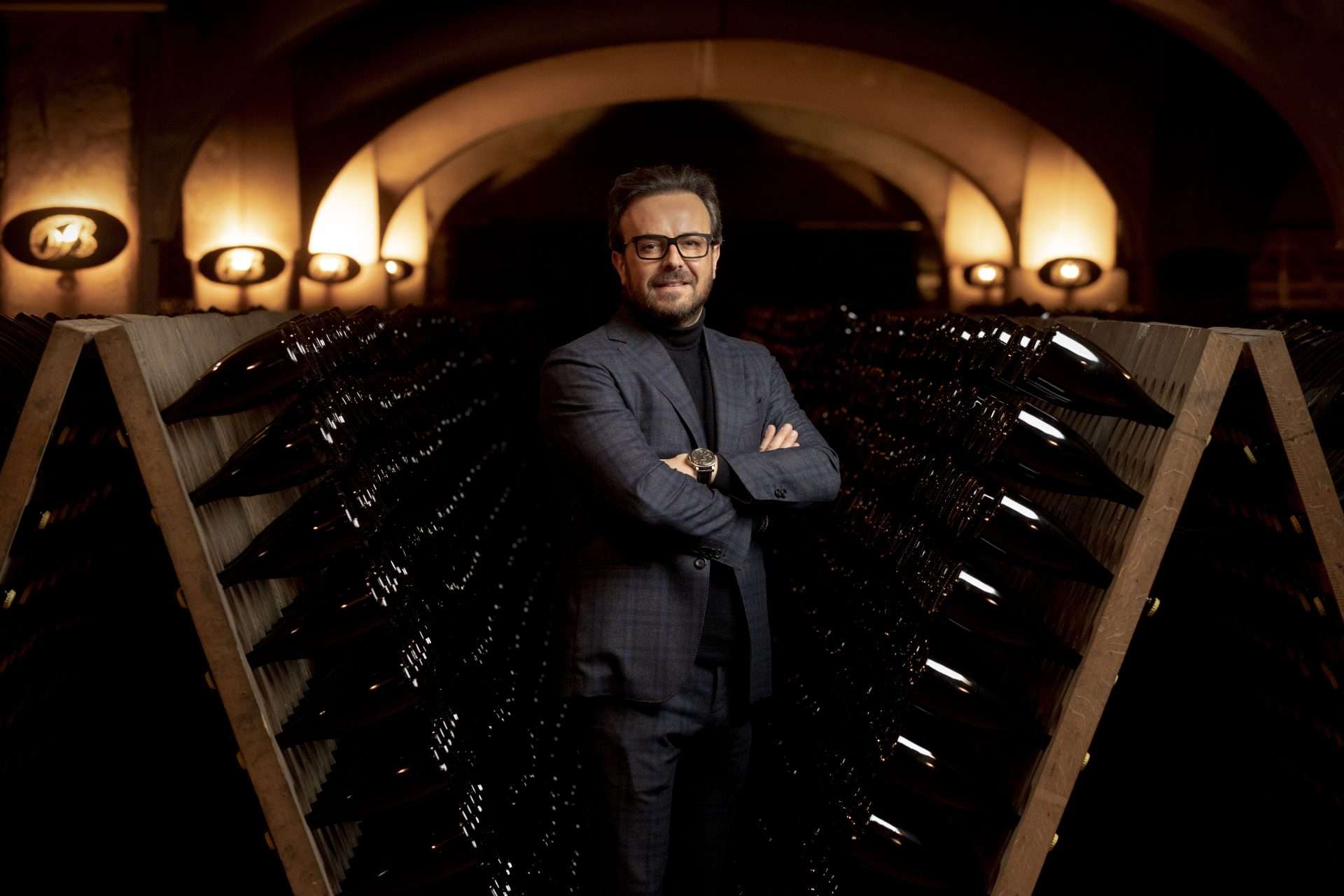
Massimo Tuzzi, CEO of Holding Terra Moretti, explores the challenges and strategies of managing human capital in the wine industry. From intergenerational mentoring to inclusive culture and future-ready training, Tuzzi outlines a sustainable, human-centered approach to HR. His insights reveal how the sector must evolve to stay globally competitive.
In the world of wine, tradition and innovation are deeply intertwined. Massimo Tuzzi, a prominent figure and CEO of Holding Terra Moretti, shared his vision on the key challenges the wine sector is facing in human resources management.
Tuzzi’s insights, within the “Amorim Wine Vision” project, delve into training, talent attraction, inclusive culture, and social responsibility.
What are the main HR challenges you face to remain globally competitive?
The main challenge is to create a workplace that inspires, attracts young talents, and values senior employees.
This means cultivating a space that promotes diversity of thought, encourages innovation, ensures stability, fosters personal and professional growth, and allows a healthy work-life balance.
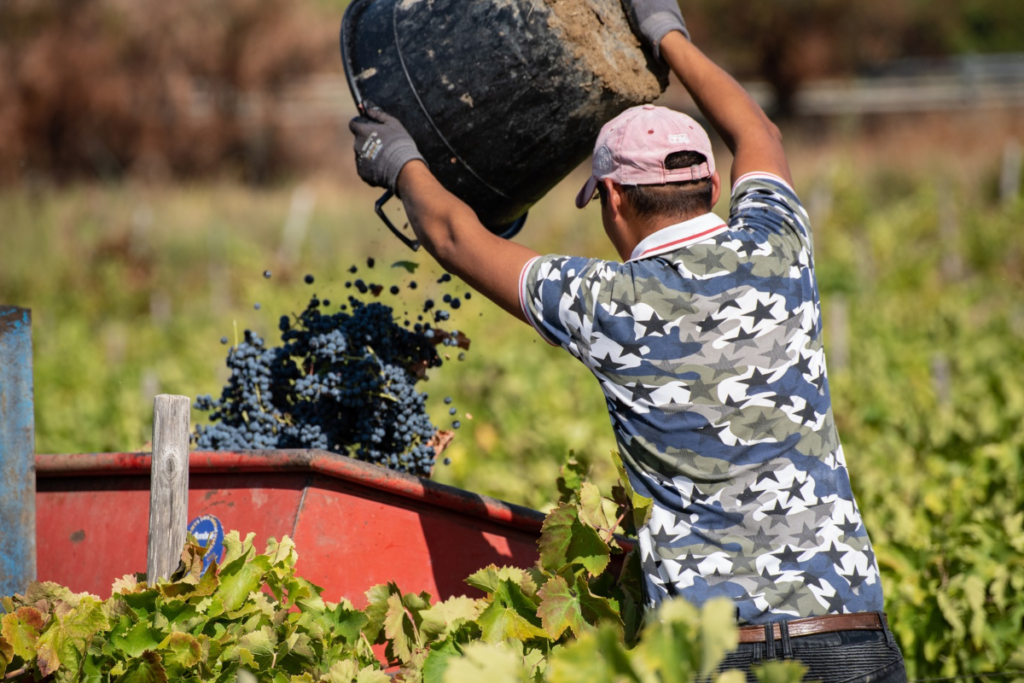
On one side, specific technical skills are needed in manual roles like agriculture and winemaking—skills often passed down through hands-on training and intergenerational exchange.
On the other, the sector needs to address technology, market evolution, and modernization by attracting fresh perspectives.
Based on your experience, what soft and hard skills are most needed in the wine industry?
We should break free from sector-specific logic and embrace a broader view of cross-cutting skills.
Skills like communication, teamwork, adaptability, and problem-solving are universally crucial and should be developed through targeted training.
Industry-specific skills, instead, relate to climate change, sustainability, and rising consumer awareness around healthy food and quality alcohol.
How does Terra Moretti approach training and professional development?
We strongly encourage intergenerational exchange and mentoring as powerful, in-house learning tools. Bringing experienced professionals together with young talent enriches the corporate culture in ways external training cannot. We also continuously invest in forward-looking professional development programs to meet future market challenges.
What strategies do you adopt to attract and retain talent in a competitive industry?
Innovation is at the heart of what we do: we welcome fresh ideas and empower young professionals to bring them to life.
A collaborative and cosmopolitan company culture is vital, as it fosters respect, cooperation, and the celebration of uniqueness.
We promote inclusion, merit-based compensation, and are exploring flexible working options to meet younger generations’ expectations.
How would you rate the current level of training in the wine sector? Are there missing competencies?
Italian education tends to emphasize theory over practical skills, creating a gap for many young professionals.
We’ve responded by investing in internship programs, which have proven an excellent source of new talent across various departments—from production to administration.
How do you address social sustainability, and how does it shape your HR strategy?
Social sustainability requires a holistic focus on company culture, employee engagement, training, and corporate responsibility.
In a tradition-rich sector, embracing cultural and human diversity is key to building an inclusive environment with equal opportunities.
We also value active listening within the communities we operate in, acknowledging that terroir includes cultural and human ecosystems.
By the end of the year, we’ll host a meeting for under-33 representatives across our companies, aiming to draft a shared value declaration.
We believe young people are a vital resource for the wine industry and for the entire working world.
How do you connect effectively with accredited training institutions?
We maintain an ongoing dialogue with schools, universities, and training centers to scout and engage young talent.
These partnerships help us find candidates with both technical knowledge and personal drive.
Should the wine sector adopt shared hiring guidelines, despite its fragmentation?
Common guidelines are always valuable and should be promoted, even if the path is complex.
Such frameworks can bring clarity and consistency, despite the industry’s deeply fragmented nature.
This interview was conducted in partnership with Amorim Cork Italia as part of the “Amorim Wine Vision” project – a network of thought leadership on technical and topical wine-related issues, spotlighting the original visions of industry entrepreneurs and managers.
Key points
- Promote intergenerational exchange and mentoring to pass on practical know-how.
- Invest in inclusive company culture and social responsibility.
- Develop soft skills like teamwork, adaptability, and communication.
- Attract talent with flexibility, innovation, and equity-based pay.
- Partner with schools for practical, talent-driven recruitment.