Massimo Sepiacci, President of Umbria Top Wines, outlines the region’s strategy to boost its wine tourism sector. The approach hinges on public-private synergies, constant training, and a strong focus on sustainability. Despite challenges like generational turnover and logistical hurdles, Umbria is solidifying its identity as an authentic and dynamic wine destination.
In Umbria, wine tourism is no longer a niche for a few enthusiasts, but an increasingly decisive strategic axis for the future of wineries. Massimo Sepiacci, President of Umbria Top Wines, describes with realism and vision the challenges and opportunities of a region that has successfully built a strong identity by focusing on hospitality, sustainability, and institutional synergies. From the creation of the Umbria Wine District to the changing profile of winery visitors, from the urgency of generational turnover to the need to overcome logistical and cultural barriers to hospitality, Sepiacci outlines a concrete and insightful picture. A clear awareness emerges: only through teamwork between the public and private sectors, constant investment in training, and an authentic narrative of the territory can Umbria consolidate its reputation in wine tourism, maintaining a competitive edge in exports as well. A lucid and strategic look at a sector that can no longer afford to improvise.
How much has wine tourism influenced your territory and the companies you have managed to bring together?
It’s difficult to quantify precisely, but wine tourism is growing year after year, and its importance is increasingly evident. We are heavily focused on this segment, together with the Movimento Turismo del Vino and the Strade del Vino, but as Umbria Top Wines, we are also investing concretely. We have promoted, authorized, and financed the creation of the Umbria Wine District. The Movimento Turismo del Vino is also part of it because one of our main goals is precisely to boost wine tourism. For many wineries, it is becoming an important part of their turnover. Umbria is experiencing strong growth in tourism, and wine tourism benefits directly from this.
Has the type of visitor you welcome in the wineries changed compared to a few years ago?
Yes, definitely. Up until about ten years ago, visitors were few and often wine enthusiasts or experts. Today, the audience is much more varied; we could say more “mainstream.” But this type of tourism is also welcome: it still brings results because those who visit the wineries pay for tastings and always buy a few bottles. It’s a positive influx for direct sales as well. Furthermore, we recognize the great work done by the Umbria Region to enhance the image of our territory, which is now perceived as fascinating, authentic, and often more accessible than other Italian destinations.
Many companies highlight the problem of generational turnover and, consequently, a certain inability to find top figures with clear ideas on how to dialogue with and attract new generations, including in the field of wine tourism. What is your opinion on this?
This is a reflection I share and which I also recently expressed during an institutional meeting. One of the main problems concerns precisely the generational turnover and the low presence of women in the agricultural sector in general. In the past, agriculture was dominated by men, and today we are paying the consequences. The real obstacle is the lack of profitability: young people do not invest in agriculture because it is not perceived as an economically sustainable activity, and this also applies to wine. If this issue is not resolved, it will be difficult to attract new energy and truly diversify our audience and our operators.
The idea of opening wineries and attracting more consumers is shared by many, especially to attract young people. However, “it’s easier said than done,” and few wineries are open on weekends or consistently offer aperitifs or events. In essence, free-flowing access without reservations faces many barriers. What is your assessment?
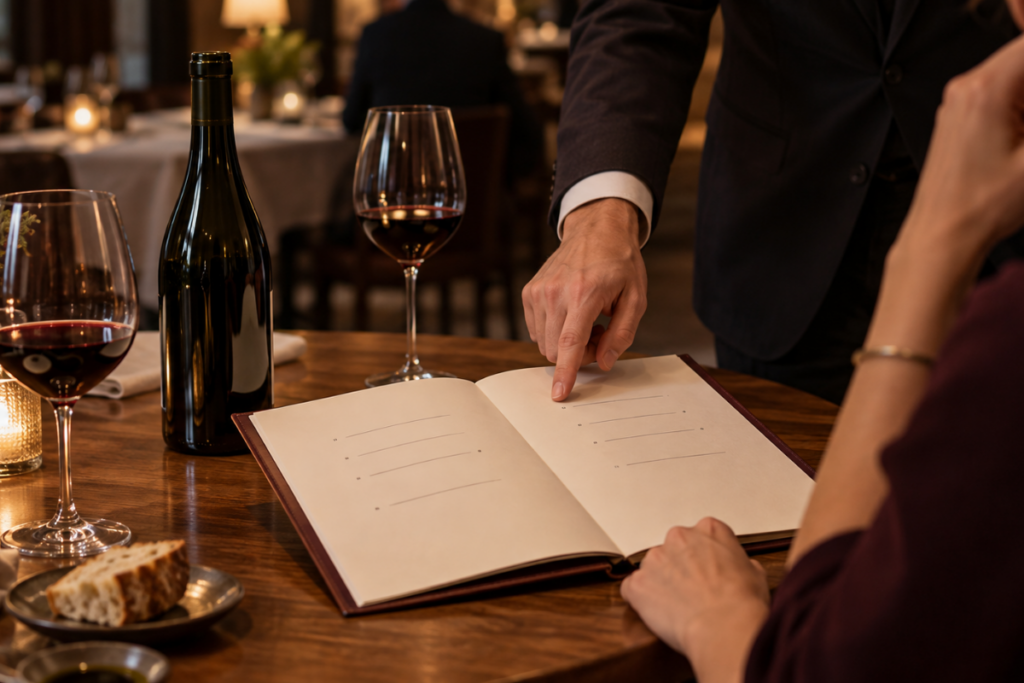
Unfortunately, this is a realistic picture. There is still a great need for training within the sector. There is a lack of prepared and motivated staff, but there are also structural limitations. Some wineries work with employees: staying open on weekends means additional costs that are difficult to cover, especially in less frequented areas. Furthermore, outside the areas of Perugia and Terni, Umbria has a virtually non-existent public transport network: if tourists have to travel only by car, many wineries remain isolated. There are more fortunate areas, like Montefalco or Orvieto, which benefit from more stable tourist flows. But it needs to be evaluated on a case-by-case basis. In any case, a greater culture of hospitality and more training could make the difference.
In a fragmented context like Italy’s, what is the value of collaboration between consortiums, institutions, and cooperative and private producers in growing the recognition and strength of a territory? And what are the tangible difficulties?
In our case, collaboration has made the difference. In 2009, many Umbrian wineries united with the goal of accessing European funds, such as the RDP or the CMO. But from there, real collective growth was born. We cover the commercial part with our resources, but thanks to the support of institutions—the Region, GAL, 3A-Parco Tecnologico agroalimentare dell’Umbria—we can develop promotional activities, training, research, and enhancement of native vines. It’s complex work, of course, but the results are there: we have been recognized as the Umbria Wine District and are now also benefiting from ministerial funding to further develop the sector.
Another highly topical issue is that of tariffs. In your opinion, could they have an impact on wine tourism in any way, or will they fundamentally have no significant influence?
On wine tourism, I would say no. The American tourist who decides to come to Umbria does so regardless of tariffs. The impact is rather on exports. Several of our wineries sell mainly in the United States. It’s true that Umbrian wines destined for that market are in the medium-to-high price range, so a few extra euros could be absorbed. But for entry-level products, it’s different: there, possible tariffs can really make the difference. We already compete with low-cost Chilean or Argentinian wines. A potential tariff imbalance makes us less competitive. It’s an issue to be monitored closely.
How do you think wine tourism will change in the future? What evolutions do you foresee?
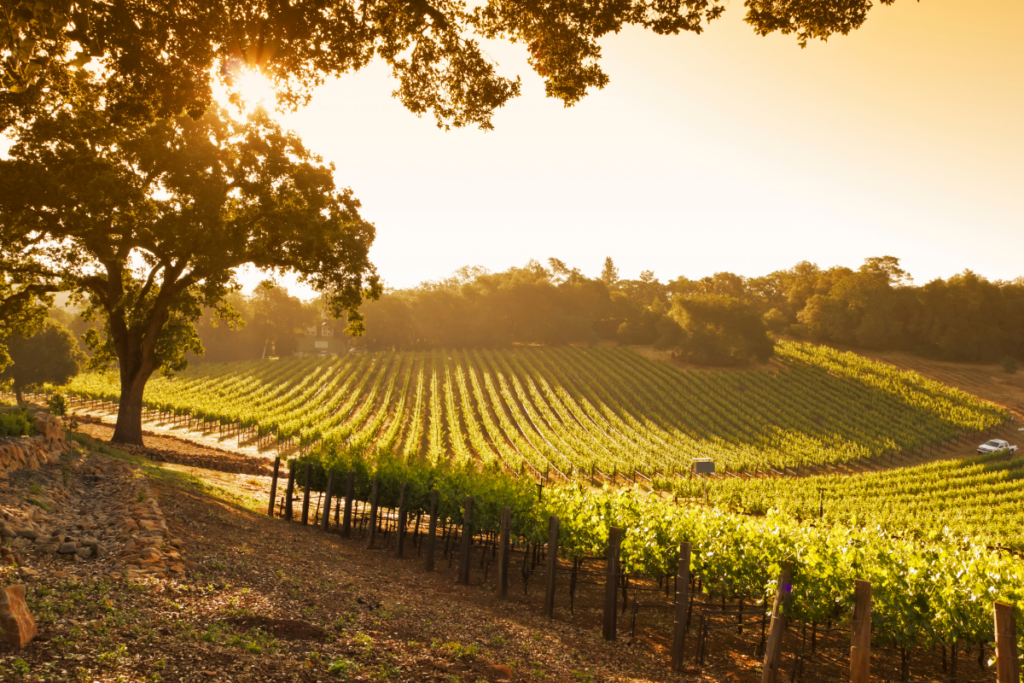
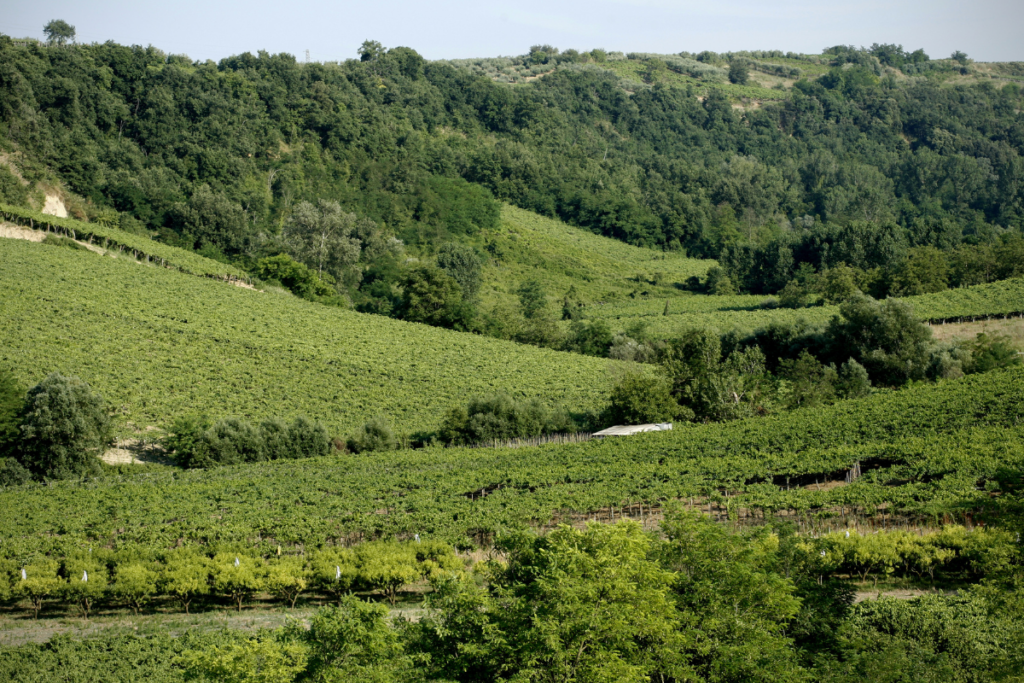
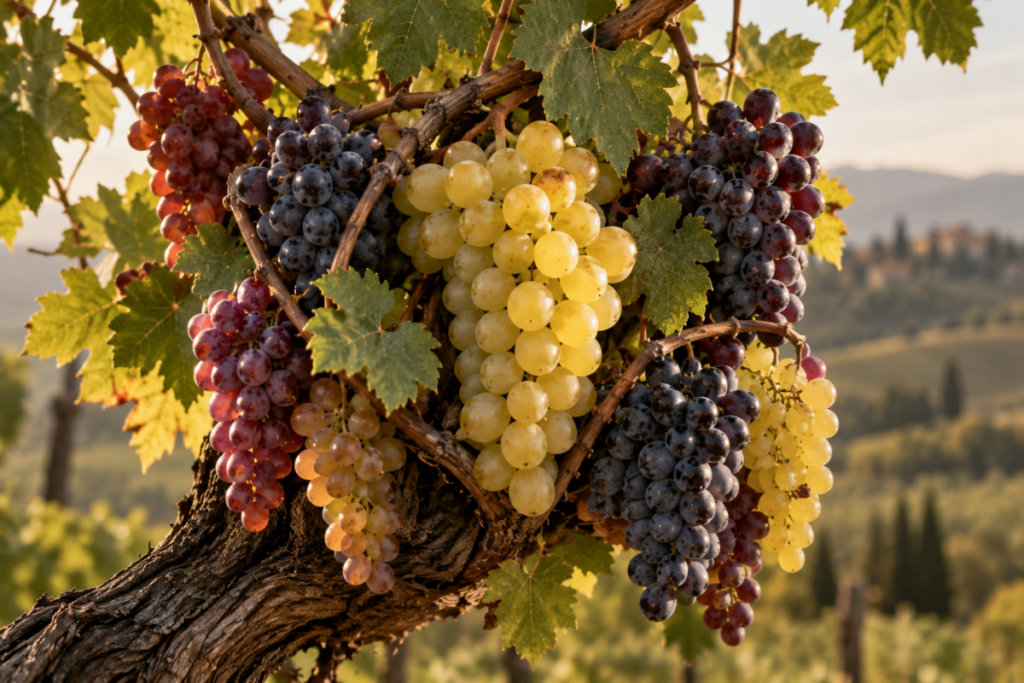
The future of wine tourism will be increasingly linked to sustainability. This is the central theme we must focus on. We are already working on projects related to sustainable mobility—for example, providing e-bikes to visit wineries—and many companies are equipping themselves with photovoltaic panels. Blockchain could be a tool to ensure transparency and communicate commitment to the environment. Then there’s the theme of hospitality: many wineries are investing in restaurants and accommodation to offer complete experiences. The goal is to attract more tourists and tell the story of the territory through wine. Because in the end, what truly strikes a chord is the story behind each bottle, each company, each landscape. And Umbria, with its 116 wineries scattered throughout the region, has a unique heritage to offer.
Key points
- Public-private synergy is the key to developing Umbria’s wine tourism.
- The profile of winery visitors has shifted from experts to a mainstream audience.
- Generational turnover and staff training are the sector’s most urgent challenges.
- Sustainability and authentic storytelling will define the future of enotourism.
- Logistical barriers, like limited public transport, still hinder accessibility for many wineries.