Bortolomiol achieved Italy’s first Environmental Product Declaration (EPD) for wine, reflecting deep commitment to sustainability. Their integrated approach combines scientific carbon footprint analysis, genetic preservation of ancient Glera vines, renewable energy adoption, and bio-monitoring through beehives, positioning the company as a bridge between tradition and innovation in sustainable viticulture.
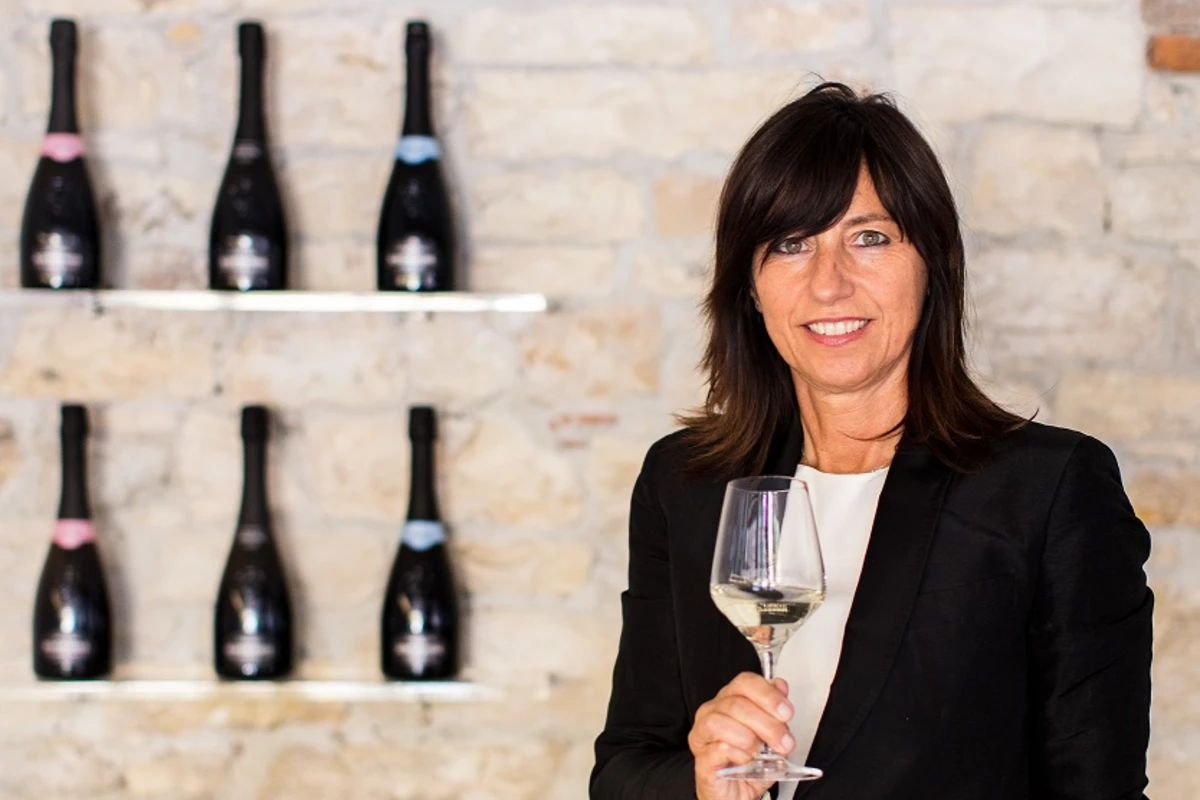
A primacy that is not a finishing line, but the snapshot of a commitment rooted in time and projected towards the future. Obtaining, as the first in Italy in the wine sector, the Environmental Product Declaration (EPD) for their Ius Naturae, is not for Bortolomiol a simple achievement, but the tangible expression of a corporate culture that has internalized sustainability as a guiding principle. The interesting and comprehensive interview with Elvira Bortolomiol, CEO and vice president of Bortolomiol reveals an approach that goes well beyond certification, outlining a 360-degree vision where every choice – from reducing the weight of glass to energy management, up to dialogue with suppliers – is the result of scientific analysis and a precise strategy of continuous improvement.
From the company’s words, a clear picture emerges: sustainability is not a label, but a working method. It is the constant dialogue with scientific partners such as Indaco2 to measure and mitigate the Carbon Footprint, transparently identifying the critical issues common to the entire supply chain – packaging, energy and logistics – and transforming them into operational challenges. It is the protection of genetics, which materializes in the recovery of ancient Glera vines, not out of nostalgia, but to ensure quality and resilience to the vineyard of tomorrow.
It is, finally, a responsibility that goes beyond the boundaries of the vineyard to become a social commitment in Africa and an ethical compass for the local community. In this mosaic, even a pioneering approach such as bio-monitoring through bees becomes a fundamental piece, testifying to a harmony sought and measured with the ecosystem. Bortolomiol thus defines itself not only as a pioneer or guardian, but as a builder of “bridges and connections”: between generations, between business and research, between the glass of Prosecco Superiore and a more conscious and integrated development model.
Bortolomiol was the first Italian winery to obtain the Environmental Product Declaration (EPD). How complex was the journey to achieve this primacy and what did it represent, internally, for the corporate culture?
On April 14, 2021, the Stockholm body that presides over the International EPD System published the first Environmental Product Declaration in the wine sector; to obtain it is Ius Naturae, Prosecco Superiore DOCG Brut Millesimato produced from grapes from the rows of the Filandetta Park, the organic heart of the Bortolomiol family company.
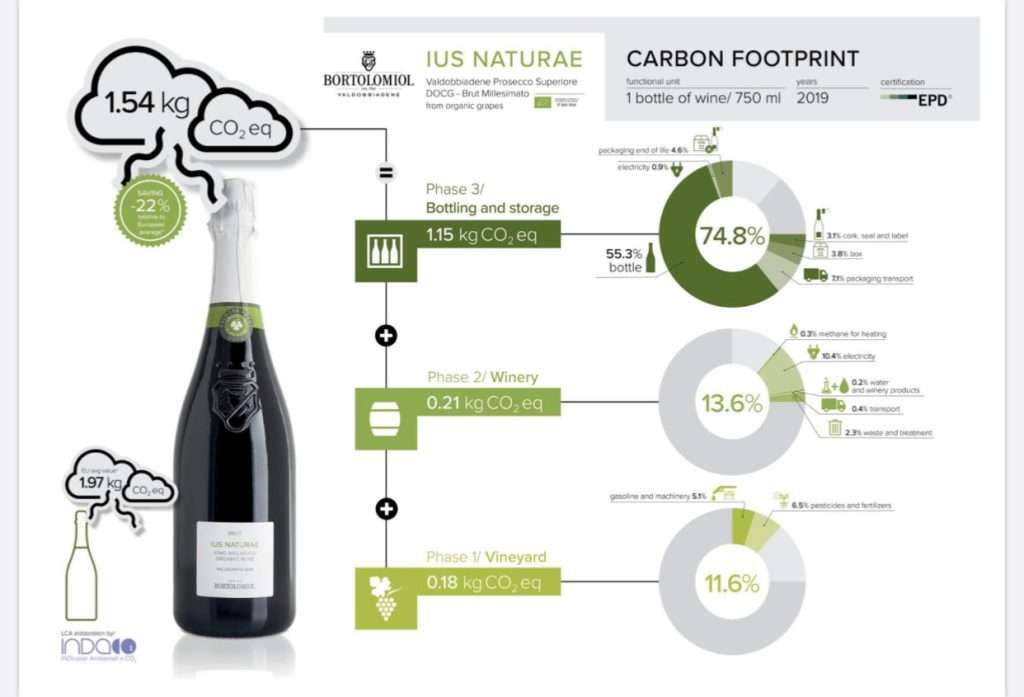
The certification of Ius Naturae is the result of a project started in 2018 by Bortolomiol in collaboration with Indaco2, a spin-off company of the University of Siena, for the Life Cycle Assessment (LCA) of the company’s wines. This is a complete monitoring of the production process, from vineyard management to the disposal of packaging materials, regulated by ISO14040-44 standards and internationally recognized. For the corporate culture it represented a concrete and tangible sign of the sustainable philosophy we have been carrying forward for years.
In collaboration with Indaco2, you are also evaluating the company’s Carbon Footprint. What are the most critical elements to improve today in the supply chain, and how do you intend to intervene?
From the analysis carried out with Indaco2, it emerges that the most critical aspects of the entire supply chain management, looking more broadly at the company in its totality, are represented primarily by the supply of packaging, mainly glass bottles, i.e. the impact generated upstream by the production of the material, by energy consumption in the cellar and by logistics in general (transport of raw materials and distribution of the finished product). These “hotspots” are common to all supply chains in the sector.
Some improvement proposals could concern: the choice, when possible, of lighter weights and selection of bottles produced with high percentages of recycled glass, provided they can obviously guarantee the integrity and characteristics of the product (a project we are already working on); supply of energy from renewable sources (for example by purchasing Guarantees of Origin for electricity supply, or increasing, if possible, the surfaces of company-owned photovoltaic systems) and cellar efficiency (progressive replacement of methane with other solutions, where possible, e.g. heat pumps); selection of transport for logistics with reduced environmental impact (e.g. where possible select transport suppliers with methane/electric or biodiesel vehicles).
Grape production also has a significant contribution, on which it is still possible to work to reduce impacts (e.g. where possible start introducing electric vehicles powered by company photovoltaic or biodiesel, even more precise vineyard management that minimizes, when possible, treatments). For this reason, it would be necessary to deepen the management of suppliers’ vineyards, starting to monitor their footprint.
By the end of 2025 you plan to reduce by about 200 quintals of glass per year (equal to 6.5%) the use of glass for one of your most important collections. How do you plan to achieve this result?
We are studying the issue with some of our historical suppliers to understand the best path to take. In the evaluation of glass reduction there is another technical element to take into consideration, namely the bottle’s seal and for this reason we are working on two fronts: reducing the weight of the bottle and the safety of the packaging. I would say it is a challenging challenge, but we are convinced we can achieve our forecasts.
Green Mark is an internal management protocol born in 2011. How is it received by your suppliers and what characteristics distinguish it?
In 2011, the Green Mark Management Protocol was born, an internal regulation that, through a series of technical indications to which suppliers must adhere, aims to improve the quality of its products and at the same time aims at vineyard management that has the minimum impact on the environment.
This regulation, respected by all winegrowers supplying grapes to the cellar, is added to the Conegliano Valdobbiadene Consortium protocol, improving phytosanitary defense through the use of less impactful products.
It is received very positively by our suppliers because they have greater protection and direct collaboration with our team of oenologists and agronomists. The protocol stands out for having more precise indications compared to some phases of work in the vineyard, such as winter pruning, fertilization, row management and harvesting, which is carried out only after careful evaluation by the oenologist.
You have started a genetic recovery project of ancient Glera vines. Why is it important for you to work on biodiversity and how do you measure the effectiveness of this approach?
Bortolomiol wanted to protect the biodiversity of the Glera vine through the safeguarding, study and restoration of genetic material from old native vine stocks from the Conegliano-Valdobbiadene area, recovering the most stable plants – over sixty years old – capable of leading to an improvement in the quality and productivity of the vineyard.
For example, in the vineyard located in San Pietro di Barbozza from which the grapes necessary for the production of the Gran Cuvée del Fondatore Motus Vitae come, we have many old vines, that is ancient stocks, the agronomist even estimates an average age of at least 50 years within which there are certainly ancient clones. The Grande Cuvée del Fondatore is a wine that embraces the desire to enhance the territory (San Pietro di Barbozza therefore an absolutely suitable terroir with favorable microclimate and excellent temperature variations), the historicity of the vineyard (therefore the importance of a high average age of the vines such as to ensure fineness, sapidity and minerality to the finished wine), the oenological art (therefore man as an oenologist who takes care of every detail bringing all the useful new technology) and the importance of contact with yeast (therefore the long charmat factor and cell lysis or creaminess and softness).
Let’s talk about renewable energy: what is today the incidence of photovoltaic energy on your energy needs and how do you plan to evolve it?
Regarding renewable energy at the moment, with the expansion of the plant that has taken place in recent years that we have in operation, we manage to reach about 10% of energy needs. We are constantly studying the expansion of the photovoltaic park but also the activation of new ways to be sustainable for the environment, starting from the vineyard and also arriving at logistics.
Your Sustainability Report is inspired by 5 SDGs (no poverty, gender equality, responsible consumption and production, climate action, life on land) to which a sixth has recently been added (clean energy). What is your methodological approach to integrating SDGs into corporate strategy?
The general approach is continuous improvement in all areas of sustainability, social, economic and environmental and a daily commitment to analyzing which are the areas of intervention in which there can be improvements, which projects to undertake and also which resources to optimize. I would say that we do not have a precise and replicable methodology, but it is rather an attitude constantly work in progress.
With the Wine for Life project in Africa, and support for the DREAM program, you have a direct impact on social issues in difficult areas worldwide. How does this ethical and global vision integrate with your local identity?
The Wine for Life project in Africa is an initiative of the Community of Sant’Egidio, which permanently links quality wine and wine-making realities to the salvation of a great continent like Africa through concrete support for the fight against AIDS.
While, in Benin, we were protagonists of a project with 60 women with the objective of activating small local economies that could be the first source of independence for these families through supply chain control, a bit like what happens today in our territory, making them autonomous within the reference community.
Both experiences were an opportunity to confront difficult realities and test ourselves on important aspects related to man and his integrity. This ethical and global vision has allowed us to focus on our territory to work at our best.
Social support is part of our mission and is a significant value. In fact, thanks to this experience we have drawn up an ethical code for our company that today is a guiding beacon for us.
Bio-monitoring through beehives is a pioneering approach. What data are you collecting and how do they contribute to sustainable vineyard management?
Through the monitoring of beehives in the vineyard, carried out in collaboration with the “Eno Bee api in vigna” project, we evaluate various factors that indicate their health. If the beehives are healthy, the vineyard will be too! Among the elements taken as a model we find: the longevity of the queen bee, the possible mortality of bees under the hive, alarm indicators of an imbalance that must be ascertained, but also the strength of the families and their productivity. When one of these indicators gives alarm signals, an investigation is triggered. Wax and pollen are analyzed to understand what changes have led to these possible problems. To date, the health status of our bees is excellent. In the spring/summer period there are about 70-80,000 units/hive that produce excellent honey. It contains a lot of “vine” pollen demonstrating how much the two worlds, beekeeping and viticulture, are compatible and in harmony.
In a wine world increasingly attentive to sustainability, what should be the role of historic companies like Bortolomiol? Pioneer, guardian or innovator?
I would say that the role could be summarized in the words “bridges” and “connections”: we must ensure that our work creates important connections, between sectors, businesses, universities. But we must also take into consideration the idea of being a bridge between generations, capable of synergizing knowledge with the innovative ideas that younger people can bring. And also a cultural bridge in which wine is seen as a means capable of creating connections with the world of culture, education, and art.
Key points
- Bortolomiol is the first Italian winery to obtain EPD certification for Ius Naturae Prosecco in April 2021
- Critical sustainability focus: reducing glass weight by 6.5% and increasing renewable energy to 10%
- Ancient Glera vine recovery program preserves biodiversity and enhances wine quality
- Green Mark protocol since 2011 guides suppliers toward minimal environmental impact
- Bio-monitoring with beehives ensures vineyard health and ecological harmony