Wine Tourism Hub’s training philosophy prioritizes practical usefulness over theoretical excellence. Their November 2025 course offers comprehensive wine tourism foundations drawn from hundreds of real winery visits across Italy and abroad, featuring hands-on exercises and company-wide accessibility to ensure immediate application and lasting business impact.
Those who know us understand: at Wine Tourism Hub, we’ve long worked alongside wineries to help them grow their wine tourism business. We do this through consulting, but especially through custom-built training programs that combine theory, practice, and concrete examples gathered from hundreds of field visits.
In recent weeks, we’ve been preparing a new course – taking place in November – designed to provide complete foundations, from A to Z, for designing and managing wine tourism professionally. It’s precisely while working on this program that I stopped to reflect: why do we do what we do? What makes us different?
I’ll say it with my heart in hand: our goal isn’t to “run courses” for the sake of it, but to be truly useful with a capital U to wineries.
The difference lies in the field, not in theory
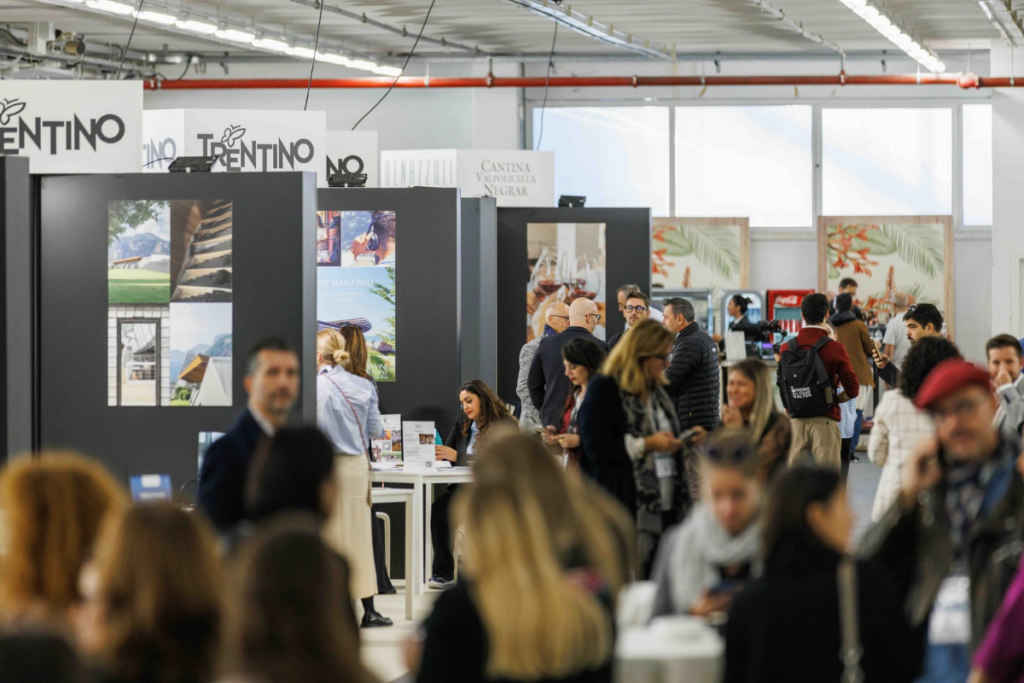
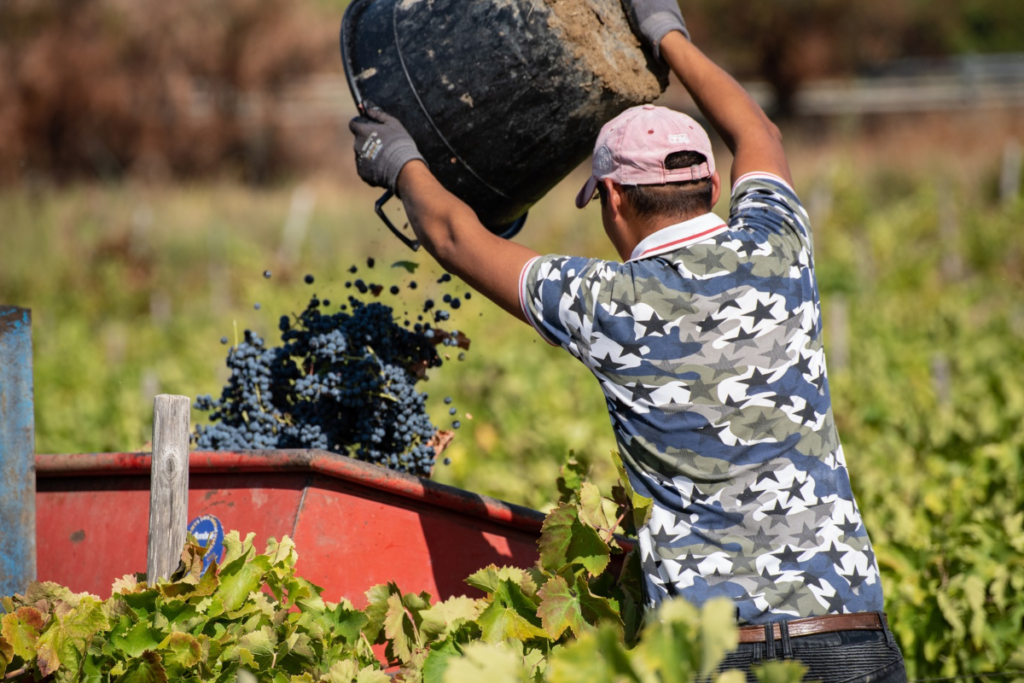
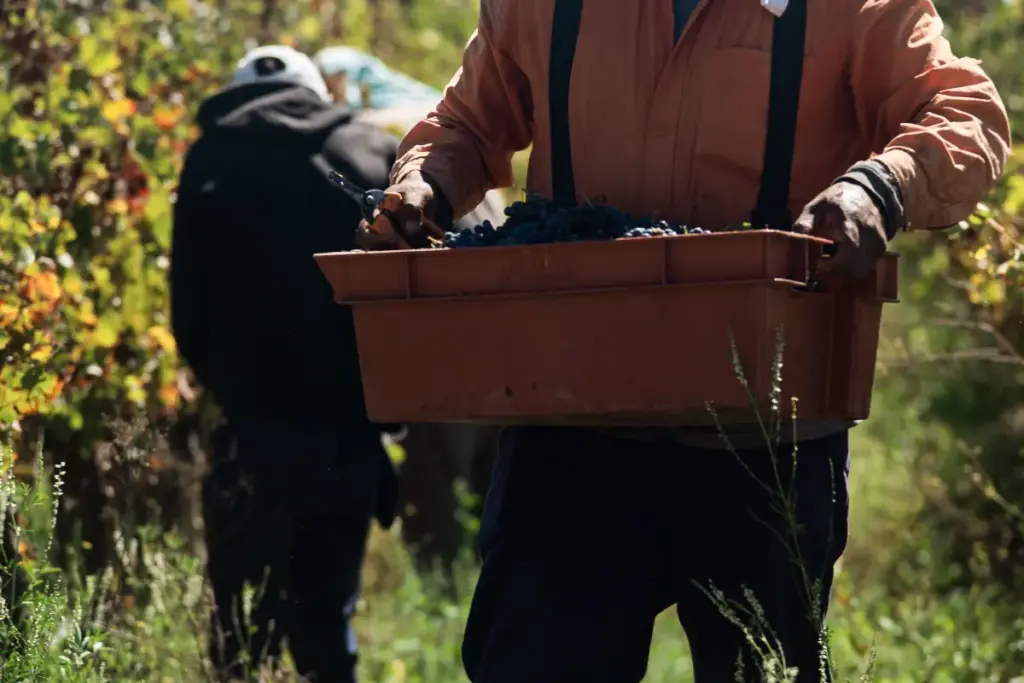
Over these years, we’ve been fortunate to visit hundreds of wineries, in Italy and abroad. That’s where our training originates: not from slides written in an office, but from real stories, mistakes, solutions, and successes we’ve witnessed firsthand. Every example we bring to our courses is rooted in reality: we never discuss anything that hasn’t been experienced. This makes our lessons alive, concrete, and immediately applicable.
Practical exercises as a learning guarantee
For us, training is never one-way. Listening isn’t enough: you need to do. That’s why in every program we include practical exercises, simulations, moments when participants can immediately apply what they’re learning to their own reality. If at the end of a lesson you’re not able to immediately use at least one concept or tool in your winery, it means we haven’t done our job well.
A resource for the entire company
Another point we care deeply about is the concept of training as a company investment. Our courses shouldn’t only serve the owner or hospitality manager: they must become a resource for the entire team. That’s why we offer the entire company the opportunity to attend the course, so the knowledge gained can inspire those working in marketing, hospitality, shop sales… Everyone, truly everyone, can gain insights to improve the overall wine tourism experience.
Italy learning from the world (and vice versa)
Another distinguishing element is our continuous international comparison. We visit and study successful wine tourism models in the United States, Australia, France, and beyond. We observe them, analyze them, and then bring them to Italy, enriched by our sensitivity and adapted to our culture. At the same time, we’ve learned that many Italian wineries have already found extraordinary solutions: our task is to highlight and share them as best practices.
A different approach, a clear goal
Ultimately, it all comes down to this: we don’t want wineries to say “I took a course,” we want them to say “I changed something in my company thanks to that course.” That’s the measure of our success. Not enrollment numbers, not hours delivered, but the real impact on people’s and businesses’ daily work.
That’s why our new November course (November 13, 19, 25, 2025) won’t be just another online event, but a real tool for concrete growth. Three intense, practical days that offer the opportunity to engage directly with instructors and professionals.
We at Wine Tourism Hub believe that training isn’t an end in itself, but a way to help companies grow. And that’s why we’ll continue to run courses that don’t just teach: but truly change the way wine tourism is done.
Key points
- Training based on hundreds of real field experiences from wineries worldwide, not theory
- Practical exercises ensure participants can immediately apply concepts to their winery
- Courses designed as company-wide investments, benefiting entire teams beyond management
- International best practices adapted to Italian wine tourism culture and context
- Success measured by real business impact, not course completion numbers