Modern wine tourists seek more than tastings—they want authentic, personalized experiences that create lasting memories. Wineries must combine emotional storytelling, multi-sensory engagement, and innovative offerings to transform visits into unforgettable journeys that foster long-term customer relationships and loyalty.
Visitors are no longer satisfied with a simple tasting: they seek emotions, authenticity, and memorable moments. The key question is therefore: what truly makes a wine tourism experience unforgettable?
The evolution of wine tourism: from simple visit to memorable experience
Just ten years ago, winery hospitality was mostly limited to a quick tour of the production area and a final tasting. Today, however, the winning model is one that transforms the winery into a stage for experiences. Multi-sensory tastings with music and lights, lunches among the rows, wine & wellness paths with treatments based on grape pomace: wine becomes part of a broader narrative that intertwines culture, wellness, and sociability. Some wineries have already set the standard with original formats: from participatory harvests open to tourists to starred dinners among the vines. Today’s visitor doesn’t just buy wine: they buy a memory.
What are visitors really looking for?
Here are the 5 main expectations of wine tourists:
- Authenticity People want to meet producers, hear real stories, and enter into the daily life of the winery. Authenticity is perceived as the highest value.
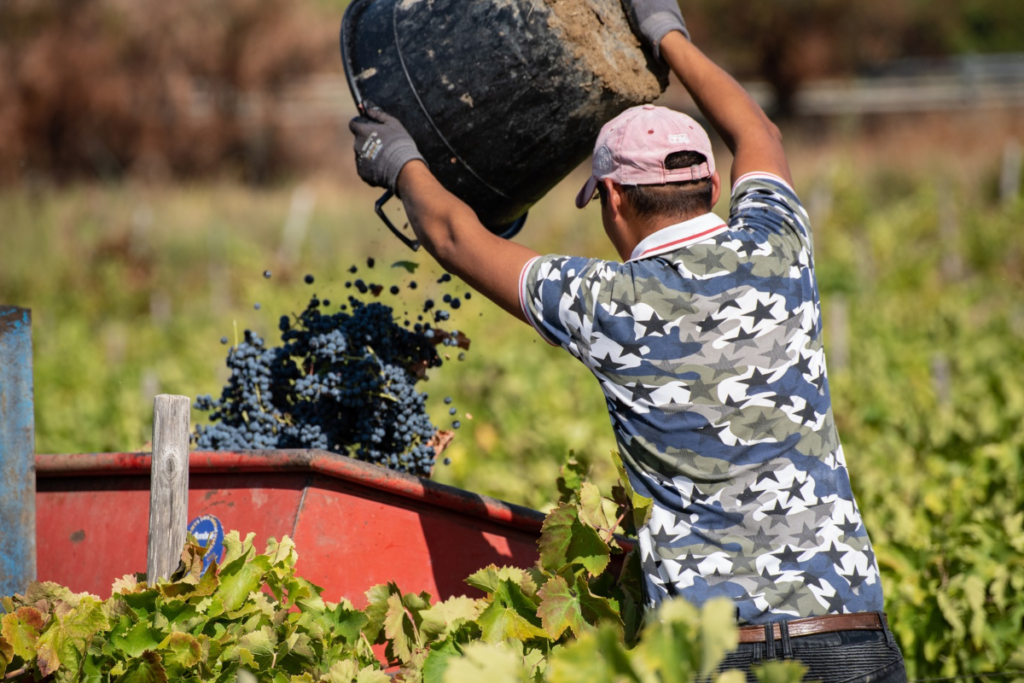
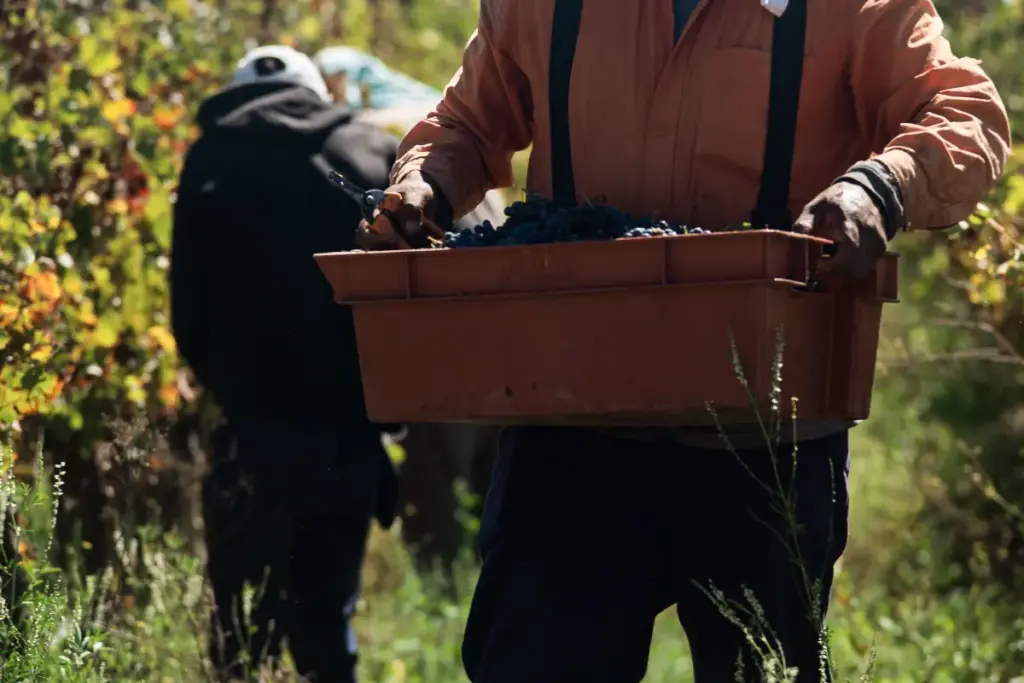
- Engagement Observing is not enough: participation is required. “Blend-your-own-wine” workshops, vineyard walks, and active harvesting are activities that create a strong connection with the place.
- Personalization Wine tourists are not all the same: some are experts and others are taking their first steps. Offering differentiated experiences with various levels of depth is essential.
- Sharing and Social Experience Guests seek “Instagrammable” moments that aren’t trivial: evocative views, emotional storytelling, and atmospheres worth sharing online and offline.
- Comfort and Accessibility Careful hospitality, transportation services, equipped spaces, and quality food pairing make the experience smoother and more satisfying. Attention to detail makes the difference.
Many establishments are already achieving success thanks to these considerations: from wineries that open their doors to slow tourism with bicycle routes, to those that have created exclusive wine clubs to continue the relationship even after the visit.
How to create an unforgettable wine tourism experience?
Here are some best practices that wineries can adopt to stand out:
- Emotional Storytelling → Tell the story of the company, family, and territory with passion. A good story is worth more than a thousand labels.
- Multi-sensory Experiences → Engage sight, smell, hearing, and taste with lights, music, scents, and carefully crafted food and wine pairings.
- Digital Innovation → Augmented reality, QR codes, interactive paths: digital can enrich without replacing human contact.
- Sustainability and Slow Tourism → More and more tourists choose eco-friendly experiences with low environmental impact that combine relaxation and awareness.
- Customer Loyalty → Creating a wine club or membership program transforms an occasional visit into a long-term relationship.
A wine tourism experience becomes unforgettable when it manages to combine authenticity and innovation, emotion and comfort. There is no single formula: each winery must build its own path, listening to visitors and experimenting with new proposals.
Key points
- Authenticity is the highest value: visitors want real stories and personal connections
- Multi-sensory experiences with music, lights, and food pairings create memorable moments
- Personalized offerings cater to both experts and beginners with differentiated depth
- Digital innovation like AR and QR codes enriches without replacing human contact
- Wine clubs and membership programs transform visits into long-term relationships