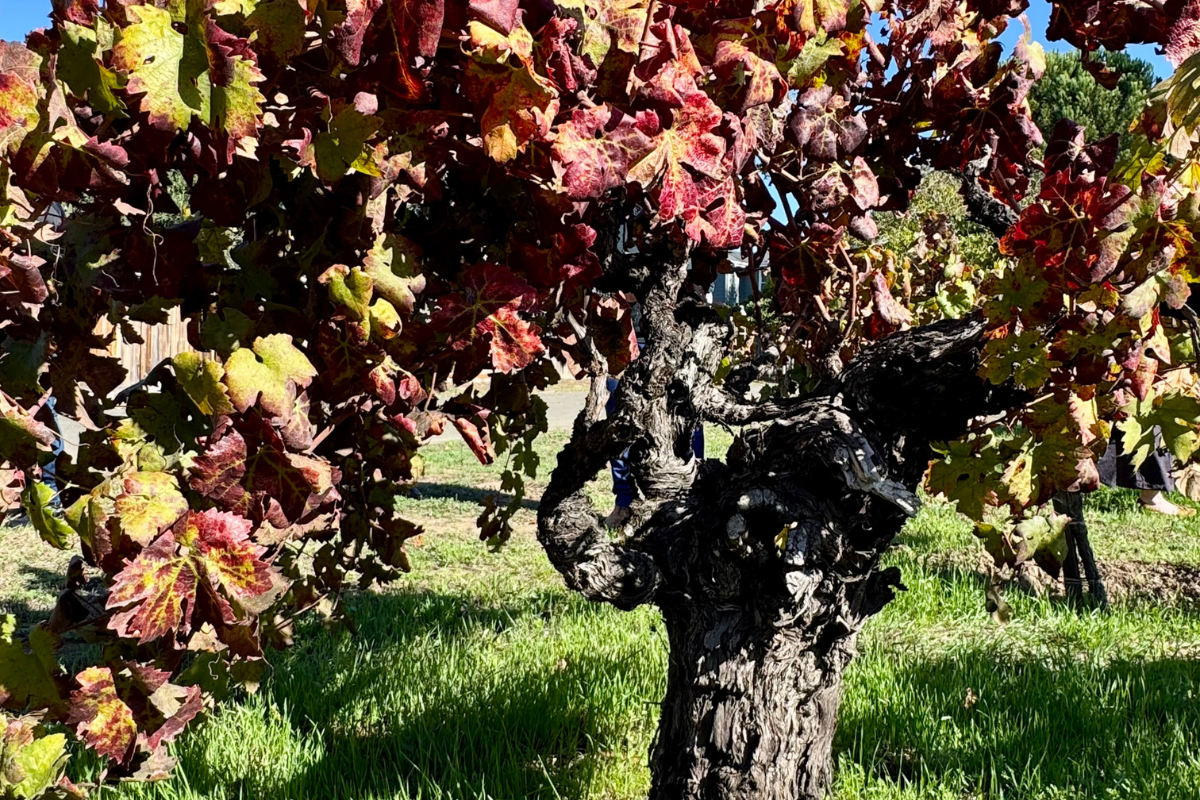
The Meeting of the Minds 2025 in California transformed old vines from heritage into climate strategy. Global experts, including Italy’s leading producers, demonstrated how historic vineyards provide concrete solutions to climate crisis and economic sustainability. The conference emphasized preservation as agronomic necessity, not nostalgia, establishing old vines as vital assets for wine’s future.
From October 31 to November 4, 2025, the regions of Napa, Sonoma, and Lodi became the epicentre of a global dialogue that transcended nostalgia. The Meeting of the Minds, organized by The Old Vine Conference (OVC) in partnership with ZAP – Zinfandel Advocates & Producers, brought together growers, scientists, and communicators to turn old vines from a legacy of the past into a strategic response to climate and economic challenges.

This wasn’t a sentimental look back—it was a sharp, future-focused exchange on the most pressing issues facing viticulture today: climate resilience, biodiversity, and long-term sustainability. With icons like Jancis Robinson MW and Paul Draper of Ridge Vineyards among the speakers, the event underscored a key truth: preserving old vines is not a luxury; it’s a necessity. And Italy, with its deep-rooted biodiversity and culture of resilience, stood at the centre of this movement as both guardian and innovator.
From legacy to lifeline
If history provided the starting point—through talks like Joel Peterson’s exploration of California’s old vineyard legacy—the focus quickly turned to the living relevance of these vines in today’s viticulture. Experts agreed: old vines are not monuments but living assets that enhance “climate readiness” and economic viability.

From Argentina, Dr. Laura Catena, emergency-room physician, PhD in biology, and managing director of Catena Zapata, shared how science can serve as a tool for preservation rather than transformation.
“At the Catena Institute, we use science not to change nature but to preserve it,” she said. “When you pull out a vine, you don’t just kill a plant—you disrupt an entire ecosystem of microbes, birds, and people. Old vines, with their longevity and genetic diversity, are living testaments to resilience, culture, and tradition.”
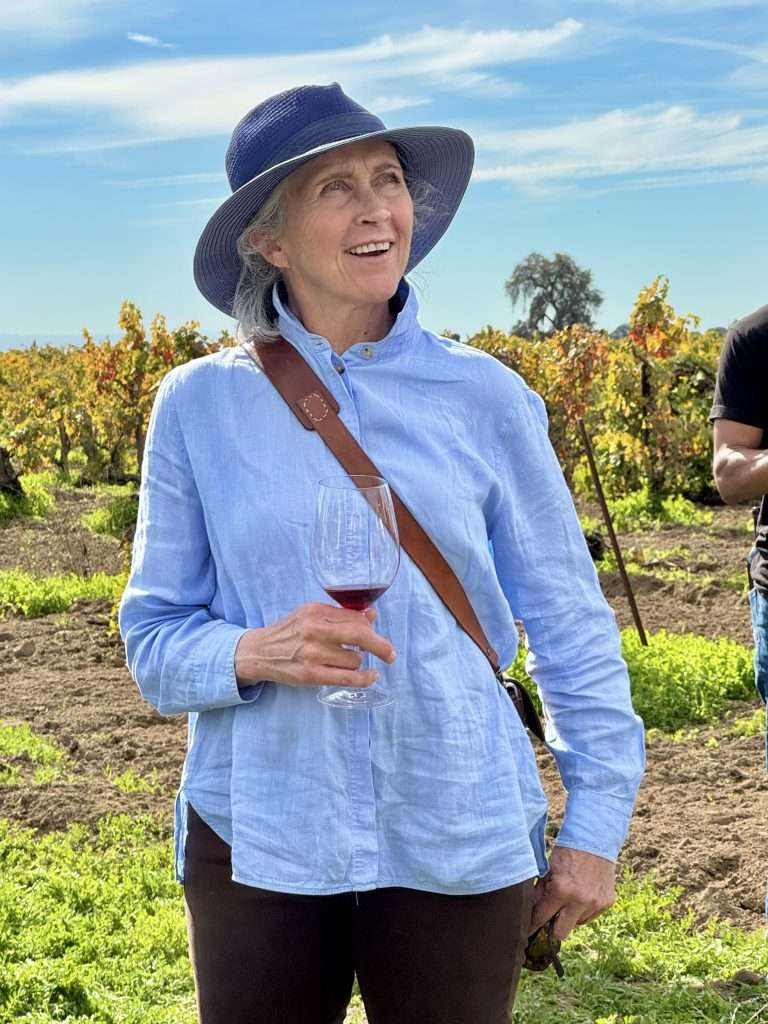
From South Africa, Rosa Kruger, founder of the Old Vine Project, shared her journey from documentation to protection. Since its official launch in 2016, supported by Johann Rupert, the project introduced the world’s first and still only ‘Certified Heritage’ seal—authenticating wines made from vines over 35 years old.
The seal is more than a certification: it’s a new commercial language, giving economic value to heritage and creating a recognisable market category for old-vine wines. “Old vines don’t just teach new ways of farming,” Kruger reminded the audience, “they’re vital barometers in the context of the climate crisis.”
Old vine registry: from history to market value
A key debate, moderated by Alder Yarrow of the Old Vine Registry, tackled the commercial viability of old-vine wines. The consensus was clear: to save old vines, their wines must command a fair price. The Registry links vineyard identity and history with digital traceability—via Wine-Searcher, consumers can now locate and buy wines from specific old vineyards. This bridge between storytelling and commerce offers producers visibility and recognition while empowering consumers to support viticultural heritage.
Italy leads with legacy
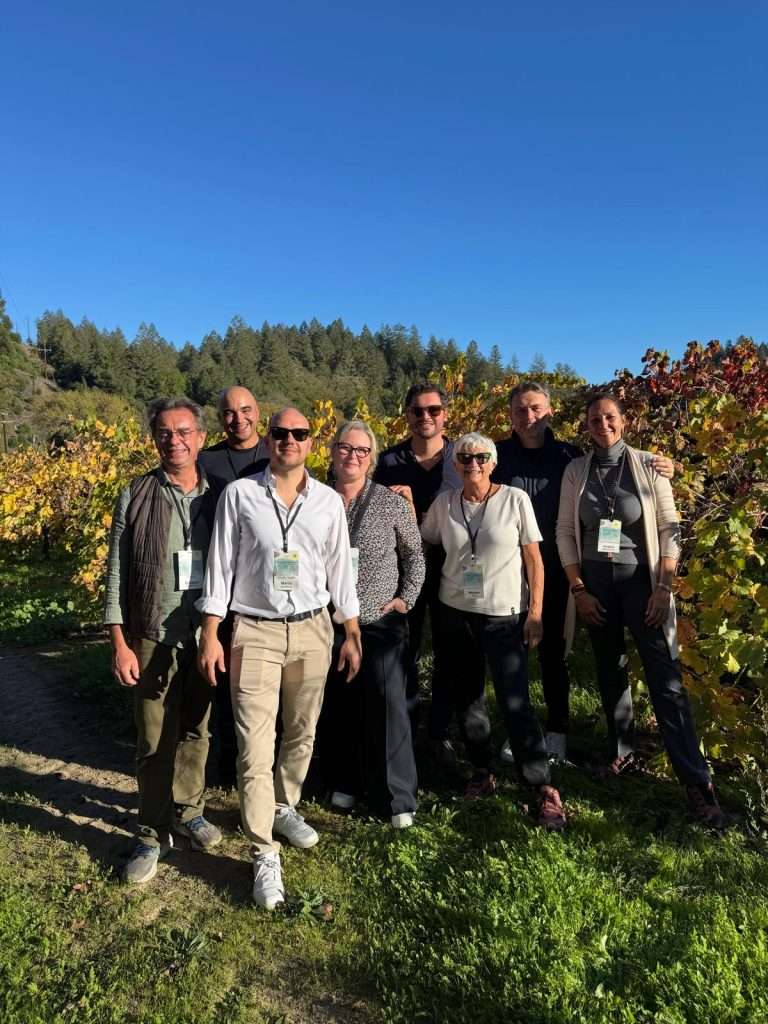
Italy played a starring role, with a masterclass aptly titled “Leading with Legacy: Italy’s Pioneering Path to Premiumisation.” From north to south, the Italian delegation showcased how historic vineyards are not just remnants of the past but drivers of innovation, authenticity, and economic value.
Marco Giordano, Managing Director of Vinchio Vaglio, highlighted the cooperative’s management of 470 hectares of vineyards—including significant parcels of old-vine Barbera—as proof that collective stewardship can be both sustainable and profitable.
“It was a constructive meeting,” said Giordano, “where we shared the perspectives of those committed to the difficult mission of protecting old vines. Presenting Vinchio Vaglio in such a setting was an honour—we can’t wait for the next one.”
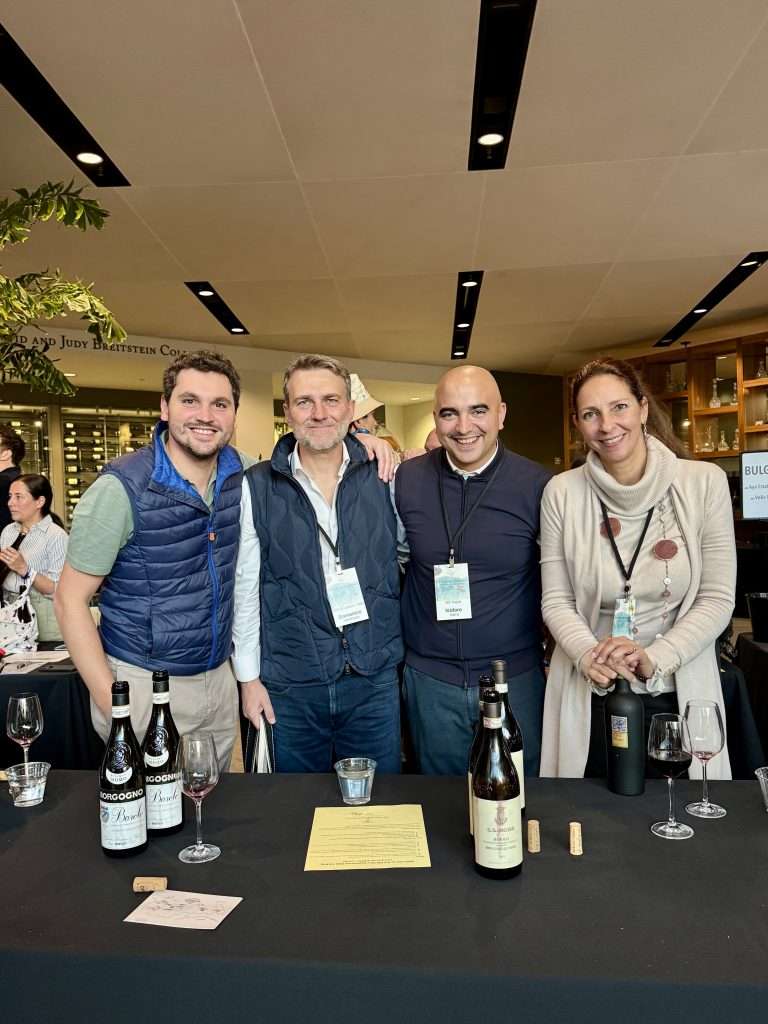
From Barolo, Andrea Farinetti of Borgogno spoke passionately about biodiversity and the importance of massal selection:
“I prefer massal selection to preserve the richness of historic clones,” he said. “Old vines naturally regulate yields, sink their roots deep into the soil, and adapt better to drought. Their wines show softer, more compact tannins—proof of balance and endurance.”
From the Veneto, Domenico Veronese of Villa Bogdano 1880 described how restoring old vineyards not only strengthens biodiversity but can also make sustainability financially viable when recognised as a category of quality.
And from the south, Viviana Malafarina of Basilisco (Tenute Capaldo Group) shared how traditional methods in the Aglianico del Vulture region are key to preserving cultural identity:
“Agriculture is the most authentic expression of a community,” she said. “It’s a living knowledge that evolves with people, climate, and time. Passing on tradition while adapting it is the highest way to protect a landscape, a culture, and a territory.”
Primitivo and Zinfandel: the bridge between worlds
One of the most symbolic moments was Gregory Perrucci of Agricola Felline, who traced the shared roots of Primitivo and Zinfandel—genetically linked through UC Davis research and historically tied by Adriatic migrations in the 17th century.
“Even in difficult times for the wine industry, we must stay united,” Perrucci said. “Wine carries stories—Zinfandel and Primitivo are proof of a living cultural heritage that still thrives today.”
Drawing a vivid parallel, he likened the Primitivo vine to Michelangelo’s Moses: “Massive yet perfectly proportioned—a symbol of endurance.” His latest project, replanting ungrafted vines on sandy soils, aims to ensure that “the old vines of tomorrow” will be celebrated in the next century.
Legacy and renewal in Napa Valley
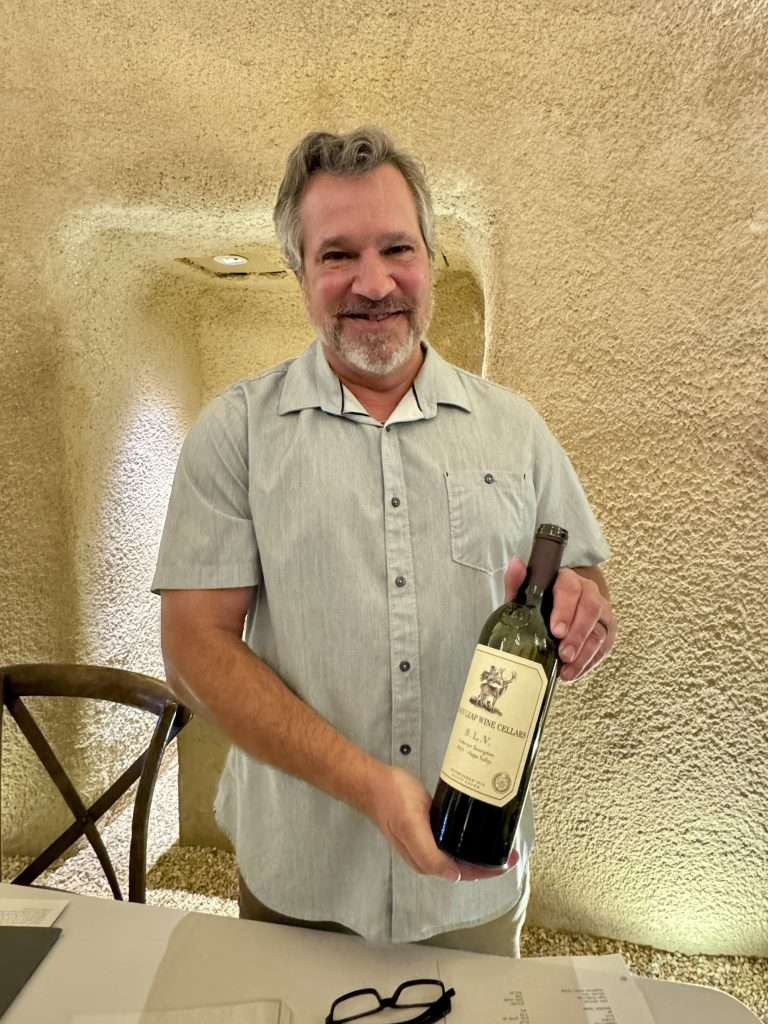
At Stag’s Leap Wine Cellars, the legacy of the Judgment of Paris lives on. Winemaker Marcus Notaro hosted a historic vertical tasting of the estate’s Cabernet Sauvignon, marking nearly 50 years since the 1976 triumph that redefined New World wine.
“The dialogue around old vines and their role in shaping Napa’s wines is deeply meaningful for Stag’s Leap,” said Notaro. “As we approach the 50th anniversary of the Judgment of Paris, we’re excited to share the next chapter of our story.”
The immigrant legacy: the old world in the new
Tegan Passalacqua, winemaker at Turley Wine Cellars and co-founder of the Historic Vineyard Society, reflected on the immigrant roots of California’s old vineyards. The Society documents and protects vineyards over 50 years old across the state. Italians, Germans, and Portuguese settlers—especially from the 1880s onwards—played a crucial role in shaping Napa, Sonoma, and Lodi’s wine identity.
“Old vines don’t just signify age—they represent culture, history, and continuity,” said Passalacqua.
Turley Wine Cellars, founded in the 1970s, has become a champion of old-vine Zinfandel and Petite Sirah, producing wines that express the diversity and heritage of California’s historic vineyards.
A movement that looks back to move forward
Among the Italian producers at the Old-Vine Gala Tasting, Isidoro Vaira of G.D. Vajra captured the spirit of the movement:
“The Old Vine Conference is where winemakers preserve a heritage of gestures, insights, and culture centred on old vines and the future of global viticulture. It’s a story that must be shared with everyone who chooses a bottle—from a wine list or a shop shelf.”
As Meeting of the Minds 2025 came to a close, one message resonated clearly: protecting old vines is not an aesthetic choice—it’s an agronomic and economic imperative. Between tastings in Lodi and vineyard walks in Sonoma, a global network of “guardians of the earth” emerged, united by the conviction that the past holds the key to wine’s sustainable future.
Closing the event, Sarah Abbott MW, co-founder of The Old Vine Conference, offered a fitting reflection:
“Agriculture is the root of all culture—and the hidden part of wine’s magic. Talking about old vines opens perspectives on resilient and diverse communities, on biodiversity and value. The diversity of old vines tells a shared story of struggle, connection, transcendence, and craft.”
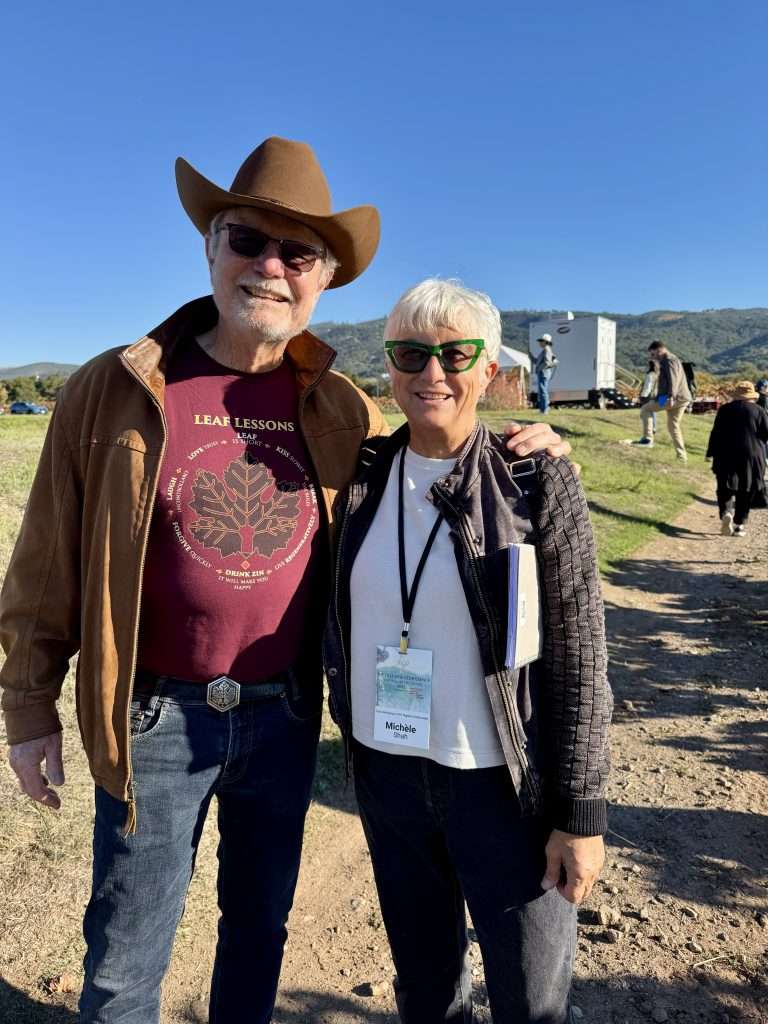
Michèle Shah, Old Vine Conference Regional Ambassador for Italy since 2021, was awarded the 2025 Old Vine Hero Award for Communication & Education. Through her work, she has championed Italy’s old-vine heritage, organizing events, leading field trips, and educating national and international audiences on the resilience, legacy, and quality of historic vineyards. Contact: micheleshah@gmail.com www.oldvines https://www.oldvines.org/
Key points
- Old vines provide climate resilience and economic viability, not just historical value for modern viticulture.
- Italy’s delegation showcased how historic vineyards drive innovation, authenticity, and premiumization across regions.
- South Africa’s Certified Heritage seal creates market recognition and commercial value for old-vine wines.
- Primitivo and Zinfandel share genetic roots, symbolizing cultural heritage and transatlantic wine connections.
- Old Vine Registry links vineyard history with digital traceability for consumer access and producer visibility.