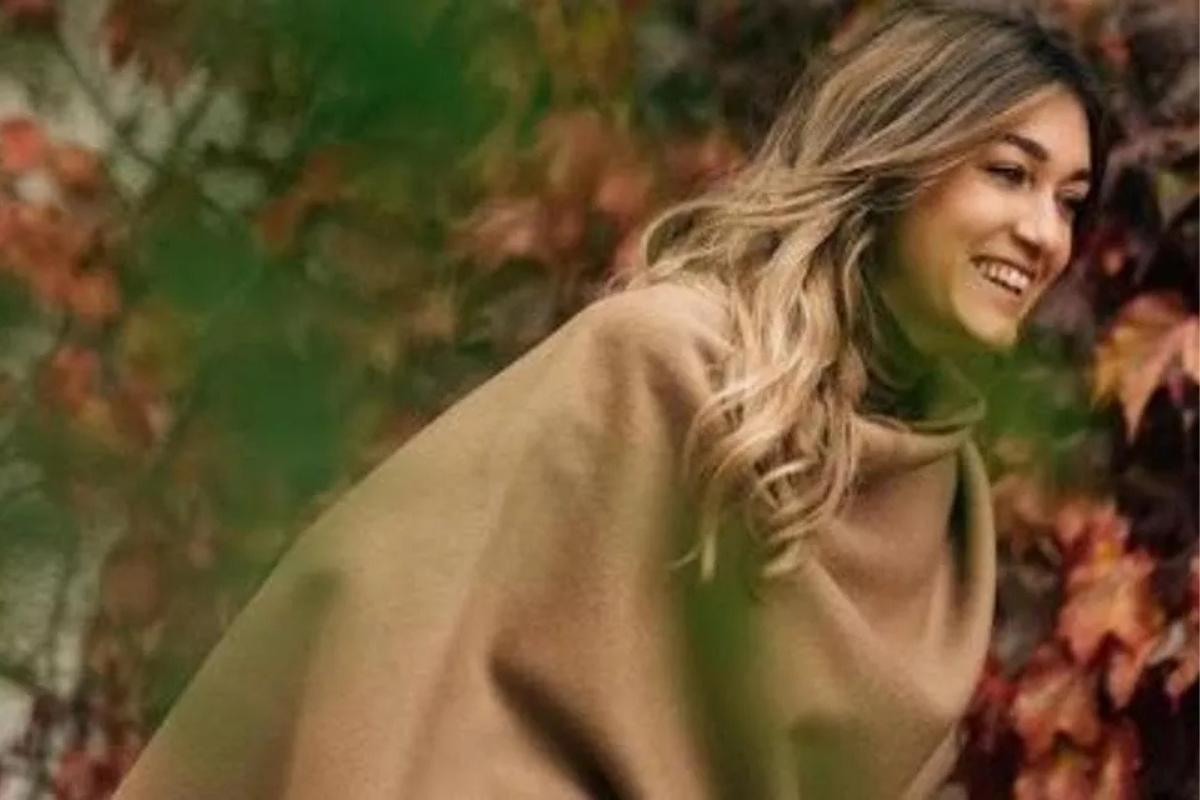
Eleonora Spadotto left a finance career in London to join Lea Winery, her family’s Friuli estate. Today the company runs an integrated, vineyard-to-bottle dealcoholization project, one of Italy’s most advanced, while continuing to develop its traditional alcoholic wines alongside it.
There are encounters you think you will file away quickly, and instead they stay with you. The one with Eleonora Spadotto, at the helm of Lea Winery, was one of these pleasant surprises, for more than one reason.
The first is her. Eleonora did not arrive at wine through generations of winemakers, as almost always happens in this world: she arrived through a new life choice, after years in finance in London, in a sector far removed from the land. It is perhaps the most innovative and interesting thing one can encounter today in the industry: proof that a new generation of entrepreneurs and managers, young, trained elsewhere, used to looking at things differently, can bring to wine a richness that those who grew up only within tradition struggle even to imagine. Not having the classic producer’s background, in this case, is a freedom rather than a limitation.
The second surprise is the merit. I found myself, in all likelihood, in front of the Italian company that, more than any other, is investing in quality dealcoholized wine, not as an industrial operation, but as an integrated winemaking project that starts in the vineyard and controls the entire supply chain. And the first tastings fully bear out Lea Winery’s choices, without reservation.
This is the conversation I am pleased to share here in full.
Let’s start with the genesis of the company: where does Lea Winery come from, and what led you to this choice?
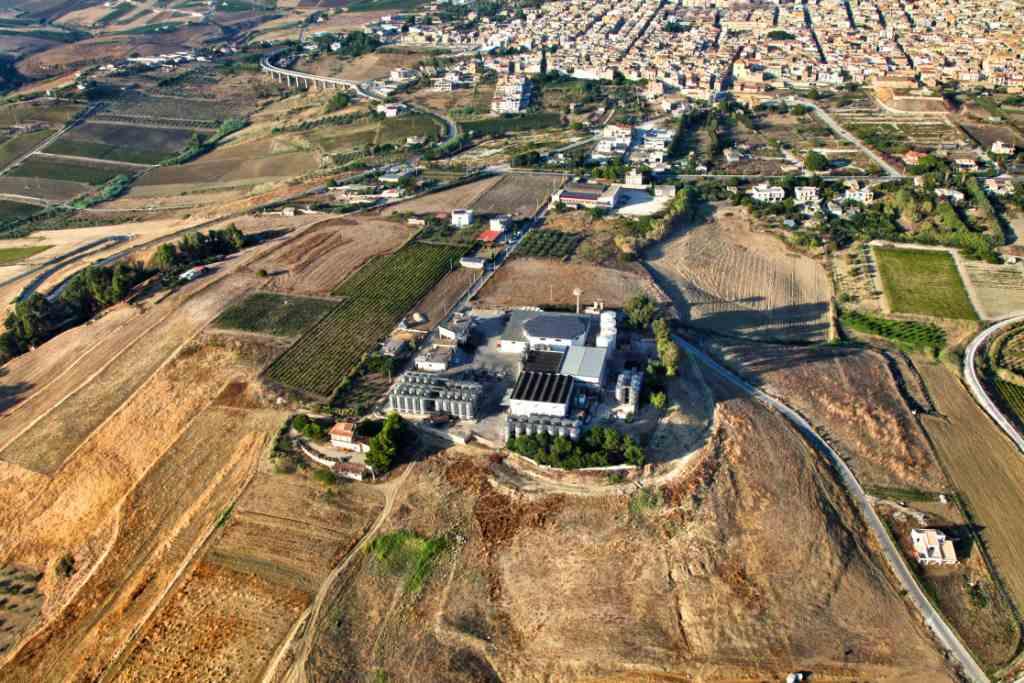
It all starts with an investment by my father, who decided to buy a beautiful estate in San Vito al Tagliamento. There was this eighteenth century hamlet, beautiful but practically ruined: a villa, a church, all the buildings where the sharecroppers used to live, the stables. It was truly disfigured, and there were few vineyards around. My father completely abandoned his previous business and dedicated himself to this project, planting vineyards to reach a critical mass of land while the renovation of all the buildings began at the same time.
My brother Alessandro followed him right away, because he became passionate about it and started helping out in the vineyard. We soon realized that selling the grapes was a losing proposition, since we do not have a strong DOC, and so we built the winery in order to handle the transformation ourselves. The company’s very name carries the initials of our family: it is a choice of life and of land, not an industrial operation.
And when did you join the company?
In 2019, before Covid. I was in London, working in finance, but I had come to understand it was not my calling: I had started getting bored, crunching numbers all day behind a computer. The family business was taking shape, there was work to do, and the world of wine fascinated me. When I came back, we decided to add bottling to our business and create our own line.
We started with the wines that had always been made in this hamlet, initially for our own consumption: macerated wines, a re-fermented prosecco, a bit of the Friuli Venezia Giulia tradition. Then I began traveling with my father to promote them and attending trade fairs.
And that’s where you discovered the world of dealcoholized wines.
Exactly. At the trade fairs we noticed that the dealcoholized wine trend was gaining momentum, but with two clear problems: average quality was very low, and there was no interesting Italian offering. We asked ourselves how it was possible that one of the world’s largest wine producers had no dealcoholized offering, while our French, Spanish, and German cousins already had dedicated projects. We saw it as an opportunity, but also as a challenge: to create a well made, genuinely good Italian dealcoholized wine that respected the original character of the wine and integrated the entire supply chain.
What do you mean by “integrating the entire supply chain”?
For us this is the fundamental point. We want the grapes and the wines to be of our own production, vinified in our own winery, and above all we want the production process and the know how to stay in house. We do not want the work done by third parties. We believed strongly in the project also because we were not tied to a long winemaking tradition, so we had no particular constraints, and thanks to my father’s industrial experience we were quick to introduce new technologies and products.
We dedicated 2022 to research, understanding the techniques, the technologies, even the different machines from different brands, and in 2023 we launched our first two Glera based sparkling wines, with a result that felt satisfying to us. From there we received excellent feedback and expanded the range: today we have four sparkling wines, three still wines, one unfermented must, and two low alcohol wines.
And the other distinctive element is the vineyard.
Yes. We only use grapes from our own production, and we start from the plant to obtain the ideal grape, because the requirements for a dealcoholized wine differ from those for an alcoholic one; the harvest timing and many parameters change. We already work from the pruning stage, in dedicated rows, following the agronomist’s study, to achieve the organoleptic characteristics and chemical composition of the fruit best suited to the purpose. We carry out ongoing in house research and development, with many tests, to understand how certain batches or varieties react.
Speaking of varieties, which ones work best for dealcoholization?
Aromatic and semi aromatic varieties work well, because they have a strong aromatic component that remains even once the alcohol is removed. But it is not a fixed rule: Traminer, for example, did not satisfy us at all once dealcoholized. The issue is that aromas diluted in water become much more powerful molecules than when diluted in alcohol, and sometimes molecules emerge that alcohol usually masks but that become unpleasant without it.
Sauvignon, on the other hand, is very interesting. Glera, produced properly, with low yields and a touch of maceration, responds very well and gives a pleasant, refreshing prosecco like effect. Chardonnay gives good results, and the more buttery varieties keep their body, especially in the still wines.
And the reds?
Reds are very difficult: removing the alcohol brings out acidity and tannin, and the wine becomes unbalanced. After various tests, the most resistant variety performed better than our Merlot and gave us a very respectable result. Our red is very well liked: we sell as much still red as still white, and these figures sit completely outside market averages, since normally very little red wine is sold.
On the market side, where are you most present?
Exports account for more than 80% of our sales. Today our leading market is Europe, particularly Northern and Eastern Europe; North America is growing in an interesting way, and Asia is growing too. In Italy it is more difficult, there is more distrust, although in some of the more touristic areas we are starting to see good results.
And the consumers? Who looks for and buys dealcoholized wines?
I get a sense of this mainly at the B2C events held by my clients abroad, where I speak directly with the end consumer. I find pregnant women, elderly people, or people on drug therapy who cannot drink alcohol, far more of them than one might think, and who still want to feel part of the celebration.
There are people who are driving and want to stay sober, perhaps alternating drinks. There are young people who are not yet of legal drinking age, especially in countries stricter than ours. And there are groups, with a strong female component, who are also mindful of calories: with the latest reductions we have reached 15 to 16 kcal per 100 ml, far less than a glass of alcoholic wine.
You have also tried the low alcohol route.
Yes, an experiment with a white and a red at six degrees. Buyers liked it a lot, because as wine drinkers they appreciate more body and more structure. But the end consumer is lukewarm: they either want zero alcohol, or they prefer a classic wine, perhaps a low alcohol one, but with a denomination they know. A partially dealcoholized wine makes them a little suspicious.
How do you think dealcoholized wine should be communicated?
It is the hardest question, because there is a trade off. On one hand, bringing it closer to wine reassures me, because we actually follow all the extremely strict laws of the Italian wine world: we cannot use aromas, we cannot add many of the ingredients that beverage makers use instead. Our product remains very pure and clean. On the other hand, bringing it too close to wine annoys the wine purists; distancing it too much makes it look like an industrial beverage.
What is really missing from communication today is helping people understand that it is a healthy, clean product. Consumers ask themselves “how did you remove the alcohol?” and think of something chemical, something harmful. In reality, a dealcoholized wine is much healthier than many alternatives full of colorings, preservatives, and sugars.There is also an interesting scientific fact I heard at a conference: in the absence of alcohol, polyphenols and other beneficial substances are absorbed more intensely by the body, so certain positive effects of wine are perceived even better in the dealcoholized version. It is a message that today does not get through in this segment.
How much does packaging matter?
A great deal, more in this category than elsewhere. The packaging has to convey seriousness, cleanliness, and authority, and make the product recognizable. Packaging that is too strange or alternative fails to reassure people about the content, especially here where we do not have a DOC or a geographic area acting as a guarantee. A serious looking image protects the consumer from doubt.
Are you also investing in “traditional” wines?
Yes, a great deal. Since November a new oenological consultant, Giotto Consulting, has come on board, and we are reviewing the entire architecture of our alcoholic wines, because we do not want to neglect that side of the business. We already have a couple of Orange wine references doing very well abroad, with our importers. We want to create iconic wines that represent the company and prove we also know how to make great alcoholic wine, with fine projects underway and the first new references arriving next year. We have even planted French vines, including a select, high quality Pinot Noir, with high expectations.
Isn’t it a contradiction to make both wine and dealcoholized wine?
Not at all: it is the same philosophy applied to two products. I would like Lea Winery to be recognized as an excellent producer in both the alcoholic and the non alcoholic world, with our dealcoholized wines becoming a benchmark for Italian quality. Traditional wine is the root that gives credibility to the dealcoholized version; the dealcoholized version is how we bring that quality to a place where Italy was absent.
On the regulatory front, what do you hope for?
More clarity, and keeping pace with Europe. Italy arrived late: the law existed, but the regulatory bodies struggled to say what needed to be done in the winery. Compared to other countries, Germany has been dealcoholizing wine for decades, which put us at a disadvantage and left the market to large foreign brands. Yet it is an enormous opportunity: it can also help make use of wineries full of unbottled wine and offset the decline in consumption.
How do you picture the company in five years?
Recognized for excellence in both worlds, with our dealcoholized wines standing as a benchmark for Italian quality. In the meantime, I am thinking about restoring the eighteenth century villa and another building to turn them into an important destination for wine tourism as well. Today we host visits and tastings for clients, press, and contacts, but in the future we would like to truly welcome guests. There is plenty of work ahead for the years to come; when I left finance, my father warned me I would get bored in agriculture. It did not quite turn out that way.
Key points
- Eleonora Spadotto joined Lea Winery in 2019 after a career in finance in London, bringing an outside perspective to winemaking.
- Lea Winery controls the entire dealcoholization supply chain, from vineyard selection to in-house bottling and technology.
- Aromatic varieties like Glera and Sauvignon perform best when dealcoholized; reds remain the hardest category to balance.
- Exports drive over 80% of sales, with Europe leading and North America and Asia showing strong growth.
- The company is investing equally in traditional alcoholic wines, including new Orange wine references and a Pinot Noir project.