By 2035, Italian winery visits as we know them will disappear, replaced by fast, sensory, shareable experiences. Wine tourism is retail, and most wineries still don’t know how to sell. The real competitor isn’t the winery next door, but any activity offering high experiential density per hour. The transition starts now, inside the cellars, with people.
Thirty years ago the problem was different: it was the post-methanol period, and international markets were telling us we had to qualify our product, rebuild our wine’s credibility from scratch, move beyond improvised craftsmanship. It took years, but we did it and we won.
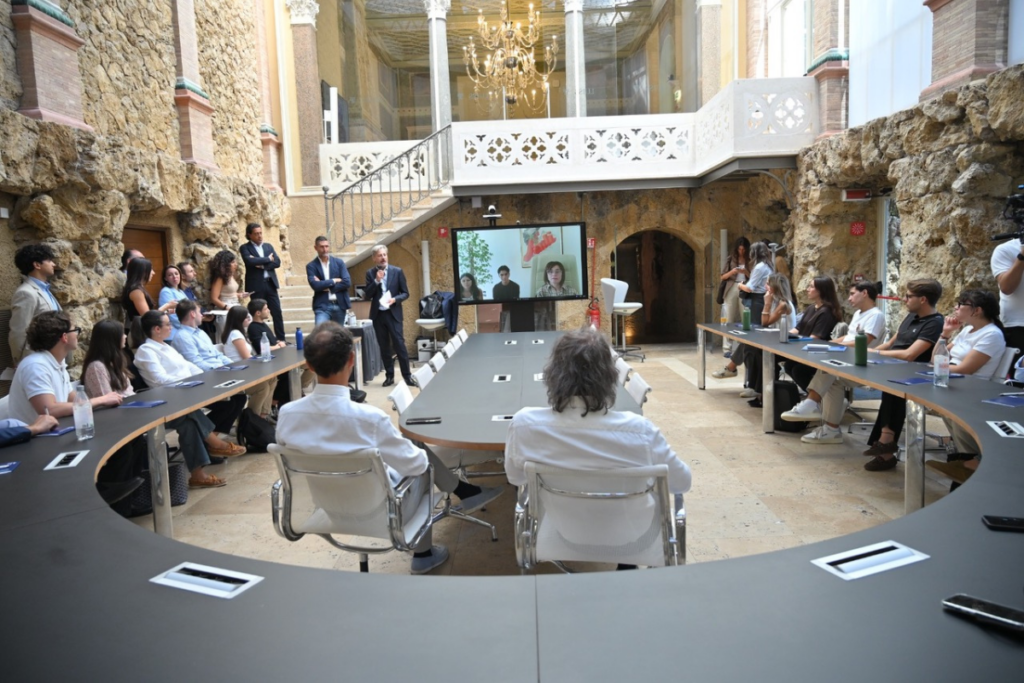
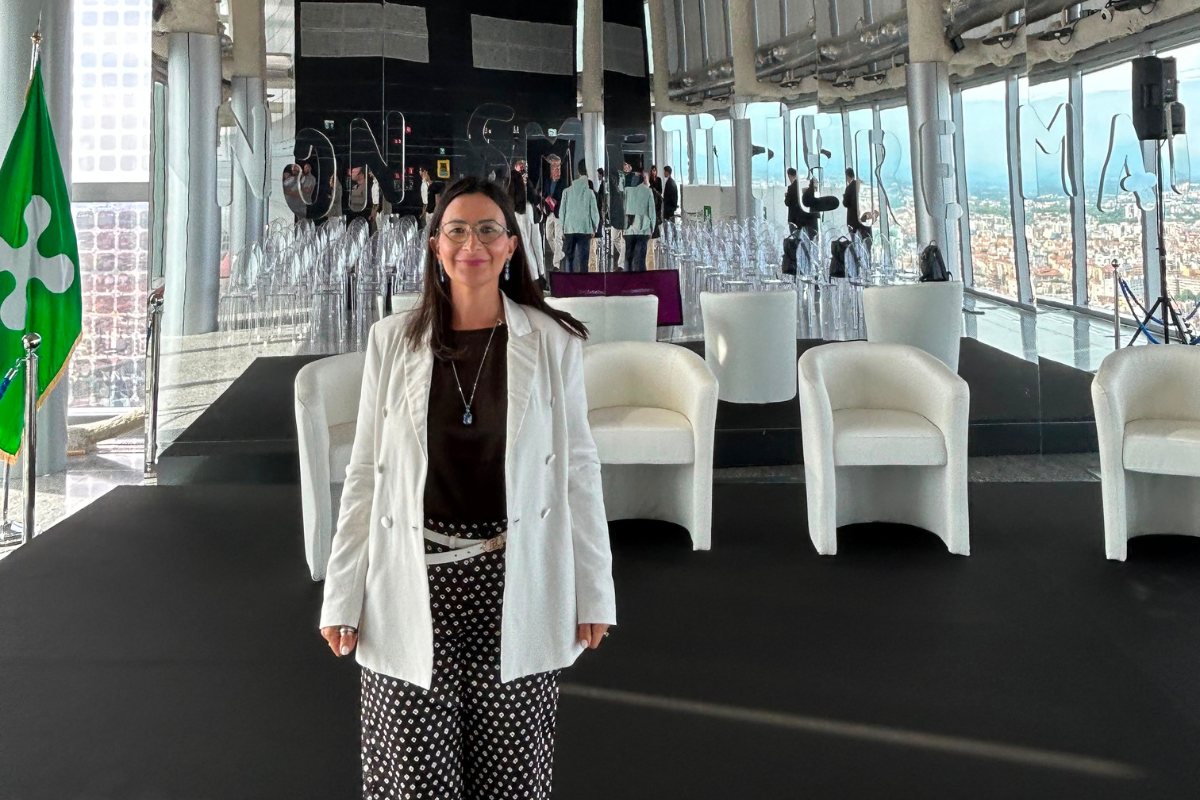
In Milan, at Envisioning 2035, I tried to say out loud something we should all recognize in the world of Italian wine: we are at exactly the same crossroads, only now the qualification required is no longer about the product. It concerns the experience, wine tourism, hospitality, what the visitor experiences when they walk through the gate of an Italian winery.
I had been asked to bring a disruptive contribution. I tried to do so by honoring a single idea: the real place where this game is played is inside the wineries, with the people. And the four messages I launched from the stage, and that I want to leave to the sector in these lines, all start from there.
Message 1. History repeats itself: then the product, now the experience
The parallel with the methanol crisis is not a rhetorical metaphor. It is an operational observation. Thirty years ago the world of Italian wine understood that authenticity alone was not enough: measurable, certifiable, communicable quality was needed. It stopped treating wine as a product of the land and began treating it as an industrial and cultural product at once. It was a painful transition, because it challenged a centuries old agricultural culture. But that transition brought us where we are today.
The same identical transition, mutatis mutandis, awaits us regarding wine tourism. The growth figures we mention at every conference are real, but they are market figures moving forward by inertia. Beneath the surface, the average Italian winery is not yet competitive when it comes to experience as a structured product. The average receipt at wineries in Italy has fallen by 17.8% over the past year. We keep letting more people in and generating less value from each one. This is not success: it is growth that is impoverishing us.
The challenge facing the sector is not one of promotion, communication, or destination. It is a challenge of qualification.And the good news is that we have already done it once. We know how to carry out a transition for an entire sector.
Message 2. The issue nobody wants to address: we don’t know how to sell, and wine tourism is retail
The second message I wanted to leave with the Envisioning audience is the most uncomfortable, and I am aware of that. But if we do not address it we will get nowhere: the world of Italian wine does not know how to sell. It does not know how to sell inside the winery, when the customer is still in front of us and we could upsell, suggest a higher label, close a conscious order. And it does not know how to sell afterward, when the customer has left the gate and should enter a loyalty building path.
The phrase I hear repeated most often in wineries, when we address this point, is always the same: “but I don’t want to push.” Behind this phrase lies an enormous cultural misunderstanding. Setting a price is not pushing. Proposing an upsell is not pushing. Pushing means being intrusive, being dishonest, selling something the customer does not want. That we must not do, but selling well is another matter, and it is time we learned to do it without shame.
Wine tourism is retail. It is a new kind of retail for Italian wine companies, and it is a trade we are not accustomed to. Italian wineries were born as production facilities, not as tourist facilities, let alone retail facilities. For years the relationship with the final consumer was mediated, indirect, left to export or to the Ho.Re.Ca. channel. Now the consumer comes to us directly, physically, at the winery, and we must treat them as a retail customer.
I work at Wine Tourism Hub with winery hospitality teams: we train the people who are in front of the customer, we build structured sales processes with them. Within three months we see tangible, measurable results: average receipts rising, conversion improving, repeat sales beginning to exist. The point is the method, and the method of retail can be learned, but first one must accept that this is indeed retail.
Message 3. The most uncomfortable provocation: in 2035 there will no longer be winery visits
Let’s move to the provocation I launched in Milan from the Envisioning stage, and that I want to put in writing: in 2035, according to my reading of the market, there will no longer be winery and vineyard visits as we know them today. There will only be experiences.
The distinction is not splitting hairs. It is a distinction of product, of positioning, of business model. The “visit” is a historic format, built around the idea that the visitor wants to know the place of production, listen to the family’s story, learn something about wine. It is the format we have given ourselves over the past twenty years, and it responded to a visitor type that truly existed: the passionate, informed wine tourist, willing to spend two hours in the barrel cellar.
That visitor no longer exists. Or rather, exists, but is a statistically irrelevant minority compared to the audience that enters our wineries today. In front of us today stands a tourist: young couples on a weekend, families traveling, foodies, people who saw a reel on Instagram and booked. They want to spend two beautiful hours, sensory, photographable, shareable; they do not want a lesson, they want to have fun.
This is not an observation I enjoy making, and I say so sincerely. For twenty years I loved the model of the long visit, the storytelling of the territory, the producer’s vertical tasting. But the market has shifted, and it keeps shifting. The wine tourism product of the near future will no longer be a visit: it will be a sequence of sensory micro experiences, distributed with rhythm, built for an attention span that today is 6 to 8 minutes per narrative block. Wine will not disappear, it will be the thread that ties everything together. But it will no longer be the product. The product will be hospitality.
I say this clearly so that no one can reproach me for it in eight years: whoever keeps selling “visits” will simply no longer be on the market. Not because their wines will not be good, but because their format will no longer be purchasable, nor sellable by those who handle experiential intermediation, nor recommendable by those who review tourist destinations.
Message 4. Who we are really competing with: the competitor is not the winery next door
The last thing I wanted to say in Milan concerns the identity of the competition. It is something we in the wine world tend not to see, because we are used to measuring ourselves against each other: wineries against wineries, denominations against denominations, regions against regions. But the true competitor of the Italian winery, in 2026 and even more so in 2035, is not another winery but any commercial activity with high experiential density per hour spent.
This concept, experiential density per hour spent, is what, from my vantage point in the field, best explains why we are losing ground.
What does this mean, in practice, for an Italian winery? It means no longer asking “how do I improve my visit” and starting to ask “what do I offer in the customer’s next two hours that they cannot find in Milan tonight.” If the answer is not specific, immediate, quotable, the customer simply will not return. And neither will a friend of theirs, because positive word of mouth is generated only when the experience is memorable, not merely good.
I would add one last point that is often overlooked: these competitors of ours have a structural advantage we underestimate. They are inside the intermediation circuits of experiential tourism: sellable by tour operators, by platforms, by agents, with net rates and ready catalogs. Italian wineries often are not. We think direct sales are enough.
Inside the wineries, with the people.
In Milan, at the close of my talk, I left behind a phrase I would like to become the guiding thread of the sector’s next work. It is no longer enough to say that wine tourism is growing. I have heard it repeated at every conference for years. The real place where this game is played is inside the wineries, with the people. What is needed is method, training, hands on work with the teams who welcome and sell. Otherwise the train passes us by.
We know how to carry out a sector transition. We already did it once, thirty years ago, and we won. We can do it again this time, but we must start now, because eight years go by quickly. And because in 2035, if we do not make the choices ourselves, someone else will make them for us.
This is what I brought to Envisioning. This is what I will keep bringing, inside the wineries, every day.
Key points
- Winery visits as a format will disappear by 2035, replaced entirely by short, sensory experiences.
- Average receipts at Italian wineries fell 17.8% last year despite rising visitor numbers.
- Wine tourism is retail, yet most wineries still refuse to sell with structure and confidence.
- The real competitor is any high-experience activity per hour, not the neighboring winery.
- Structured training and method, not just promotion, are what will save the sector’s next decade.