Riccardo Baldi, a young winemaker from Staffolo, shares his journey of transforming his family’s vineyards and producing authentic Verdicchio. He discusses the evolving relationship between young people and wine, emphasizing that declining consumption stems from changing social habits rather than disinterest. Baldi also offers practical advice for restaurants on pricing and modern communication strategies.
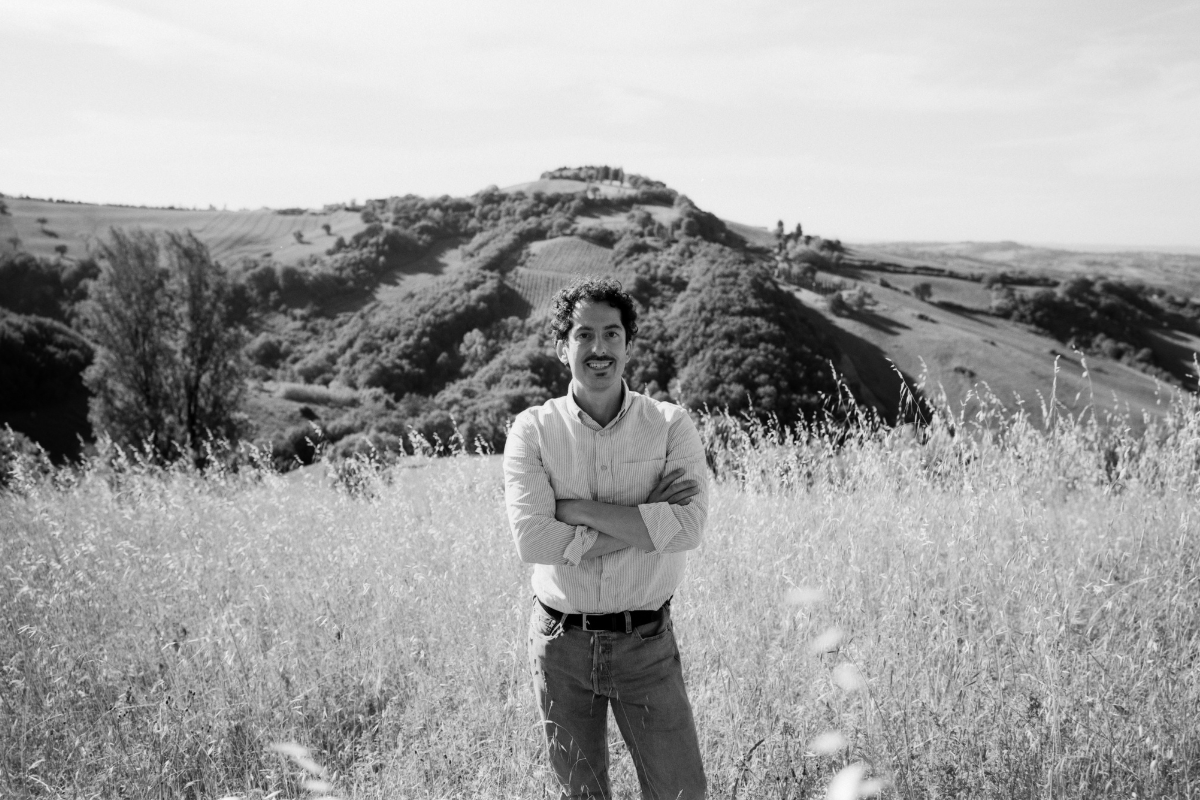
Staffolo, in the Marche region, is a town of two thousand inhabitants with eighteen wineries producing Verdicchio. A density comparable to Burgundy, says Riccardo Baldi, who is a native of that town and has proudly carried forward its viticultural vocation for sixteen years.
Baldi started making wine at the age of twenty, almost by inertia. His father had bought a farmhouse with a few vineyards in 2004, he grew up in it, and in 2010, while studying Economics and Business, he asked to be able to take care of it personally.
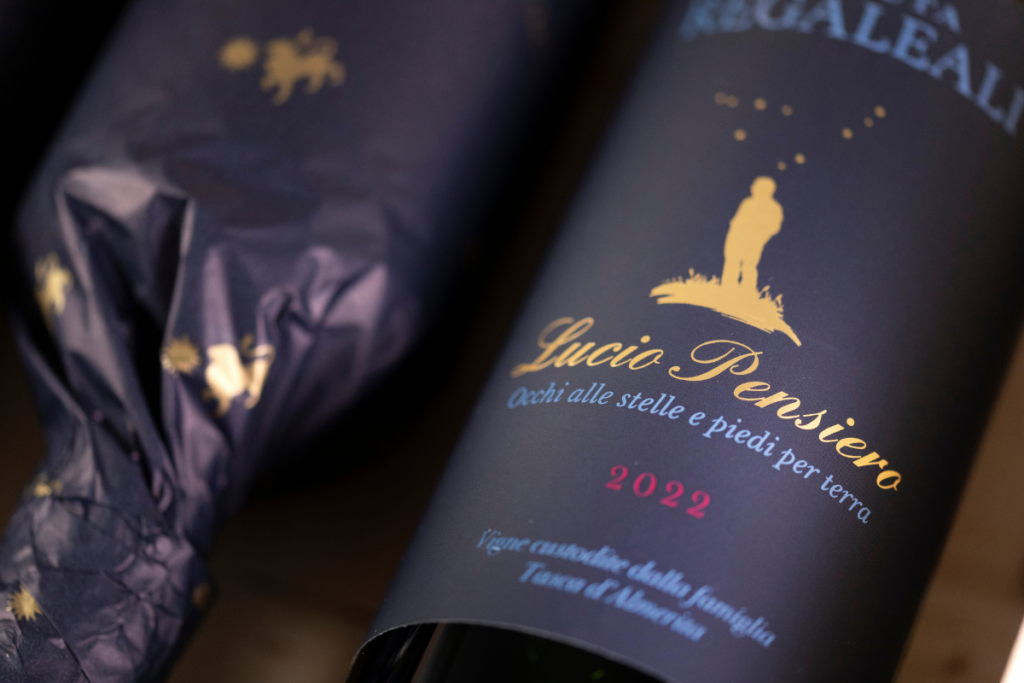
Today, Vini La Staffa has 12 to 13 hectares of vineyards, almost 60,000 bottles produced, more than 50% exported abroad and a team of five people, three of whom are childhood friends. Recognized by Slow Food since 2014, featured in Sole 24 Ore and American food and wine magazines, Baldi is one of those producers who made his age a compass. He learned very early that wine, even before being a product, is a territory to be narrated.
You are born in 1990 and took over the company very young. Beyond the narrative of the young man reviving the family winery, what did you actually change?
When I started, something important was happening in the wine world: people were shifting their attention away from big companies and returning to the winemaker, to the vineyard, to the idea that wine was made first in the countryside. I found myself in the right place at the right time.
On the agronomic front, the change was radical: we stopped using herbicides, we introduced green manure in winter, we embraced many of the principles of biodynamics without ever certifying it, while still applying its philosophy of caring for the ecosystem. These practices made many people turn up their noses at the time, even if today they seem obvious.
In the cellar, I took a direction opposite to the trend of those years, which pushed towards very aromatic Verdicchio, almost Sauvignon like. I chose instead to look for the original flavor of Verdicchio: a wine of palate, structure, and great depth. The French teach us about this: Burgundy has stylistic features that remain consistent through changing trends and those are exactly what make it recognizable. We had to do the same.
In terms of communication, I started talking about the territory, including soil composition, vineyard exposure, and microclimate characteristics, when doing so was quite unconventional. I made a breakthrough choice that worked because it coincided with a change in the consumer: more curious, more educated, more willing to listen.
It is often said that young people are distancing themselves from wine. Is this narrative true or exaggerated?
It is a complex question to which many give simplistic answers. There are two distinct phenomena that often overlap in the narrative. The first is genuine: an increasing number of individuals, especially young ones, choose a healthy lifestyle and decide to abstain from all alcoholic beverages, including wine. The second is more subtle and less highlighted: sociality has changed and with it the occasions for drinking.
For an Italian, drinking is sociality. Our parents, at twenty five years old, would meet at the bar on Fridays at six, spend two hours together and there was the natural excuse to stay there with a glass in hand. Today that ritual has partially dissolved and with it the consumption has also decreased. The reason lies in having fewer moments to share it, rather than people liking wine less.
I will add a bonus topic: trends. The wine boom was a cycle: in the two thousands, older men ordered wine at the bar while others drank cocktails. Later, wine chalkboards became the center of every venue. Now things are shifting again. It represents a physiological shift. What I really see among young people is a lot of curiosity, hindered only by an economic threshold keeping too many out.
Who are the young people drinking your wines and what are they looking for?
The most transversal wine I produce is a bottle fermented one born in 2014, when fermented wines were only known by a few enthusiasts. It has a colorful label, a different name, a much more pop character. I produced it because I was twenty four and felt that wine needed that kind of narrative, rather than designing it as a strategy for young people. The result is that it is drank by the eighteen year old boy, the ninety year old lady and everything in between.
What I have been reflecting on for a while is that traditional events, like tastings or evenings at the winery, always work with the same audience. If you want to bring in someone different, you have to invent something new. I strongly believe in wine tourism, but in a different version from the classic European one. It requires a different approach from simply coming to the company, sitting for two hours, hearing all the technical details and then receiving the price list.
The American version is another thing: you come to a beautiful place surrounded by vineyards, you have a bottle, a table with friends, an afternoon that you will remember. The Marche region, in terms of landscape, would be perfect for this.
What practical tips would you give to producers and restaurateurs to bring young people closer to wine?
The first: rewrite the wine lists. There are still endless lists divided by region that assume the customer knows everything. The customer knows almost nothing, and this represents the simple reality rather than an insult. Providing understandable information means respecting the person sitting on the other side of the table, rather than trivializing the product.
The second: increase the options by the glass. Those who approach wine want to explore, preferring smaller portions over a whole bottle. I know that for restaurateurs it presents a logistical problem, considering open bottles that rotate and the cost of the tools. However, Coravin and Enomatic exist and, if calculated well, they bring you a much more satisfied and loyal customer base. Three tastings for the price of one glass make a huge difference.
The third concerns markups. Exaggerating is counterproductive, and mathematics says so. We know the supply chain: the winery raises by one or two euros, the distributor trims where possible, and the wine arrives at the restaurant with ten or twelve euros more on the menu. I have restaurant friends who chose honest markups and move more bottles than those keeping fixed margins. Wine cannot be the scapegoat for all restaurant problems. And the restaurateur simply opens the bottle without any additional processing. This must be said.
Key points
- Authentic winemaking focuses on the vineyard and original flavors instead of following passing market trends.
- Youth wine consumption is declining due to shifting social rituals rather than a lack of curiosity.
- Modern wine communication requires clear language and alternative enotourism experiences to engage new demographics effectively.
- Flexible restaurant options, like pouring multiple wines by the glass, encourage exploration and build customer loyalty.
- Fair restaurant markups are essential because excessive pricing creates barriers and unjustly blames wine for systemic issues.