THC drinks are growing in North America by offering simple cans, clearly declared doses and few calories. Wine communicates through terroir, vintages and appellations, which can feel complex. A German study shows the two categories often coexist, so the real challenge for wine is lowering its entry barrier with accessible language and recognizable occasions.
A can, a recognizable flavor and the THC declared in milligrams: a seltzer communicates almost everything before it is opened. A bottle of wine, instead, often asks you to find your way among appellations, grape varieties, vintages and unfamiliar words. It is the most useful provocation in High Times: Insights for the Wine Industry, from the Cannabis Industry, an article by Carl Giavanti on The Vintner Project.
The phenomenon remains small compared to alcoholic beverages, but it is growing rapidly, especially in North America. According to Grand View Research, the global market for cannabis beverages could rise from 1.16 billion dollars in 2023 to 3.86 billion in 2030. It does not include only THC seltzers, but it reflects an interest fueled by moderation and alternatives to alcohol.
The proposal is simple: a familiar can, a low and stated dosage, few sugars and calories. Producers also insist on the absence of alcohol hangovers, a commercial argument that should not be turned into a health truth.
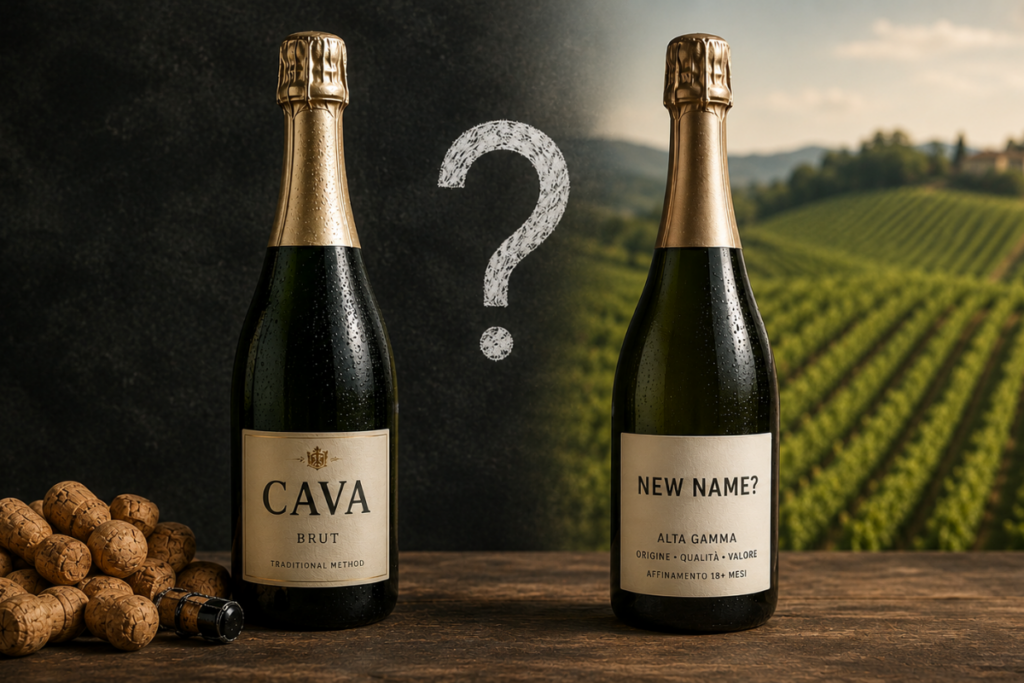
Wine presents itself from the opposite side: rising prices per glass, variable alcohol strengths and serving sizes, and communication built on terroir, regions and descriptors. These are fundamental elements for telling its identity, but they can become a barrier if they come before the pleasure of discovery. For Giavanti, cannabis has not surpassed wine with smarter marketing: it has beaten it on the ground of simplicity.
However, beware of confusing growth with substitution. A study published in 2025 in the Journal of Wine Economics, conducted on 523 German wine consumers, found a mainly complementary relationship: those who used cannabis reported higher consumption in almost all wine categories. When the motivation was relaxation, however, substitution could emerge. More than the product, therefore, the occasion matters.
The threat is not a can that automatically takes away a bottle. It is a consumer with increasingly numerous and understandable alternatives. For wine, simplifying does not mean giving up terroir, vintages or appellations, but building an entry door before asking for competence. This means accessible language, recognizable occasions and content capable of explaining without intimidating.
The game, then, is not played on the effect but on the entry threshold. If the first contact resembles an exam, the consumer will choose the proposal that allows them to understand right away where they are and why they should stay.
Key points
- Cannabis beverages grow quickly, with a global market projected from $1.16 billion in 2023 to $3.86 billion in 2030.
- Simple labeling attracts consumers: a familiar can, a stated THC dose, few calories and sugars.
- Complementary use prevails: a 2025 study of 523 German wine consumers links cannabis use to higher wine consumption.
- Relaxation occasions can trigger substitution, so the occasion matters more than the product.
- Wine can lower its entry barrier with accessible language, recognizable occasions and explanatory content, keeping terroir and appellations.