Alsace is a benchmark for wine tourism, offering valuable lessons for Italian wineries. With 750 wineries and a strong focus on economic sustainability, quality wines, and sales-oriented hospitality, Alsace demonstrates how to turn wine tourism into a powerful business model. This article explores five key takeaways that can help Italian wineries enhance their wine tourism strategies.
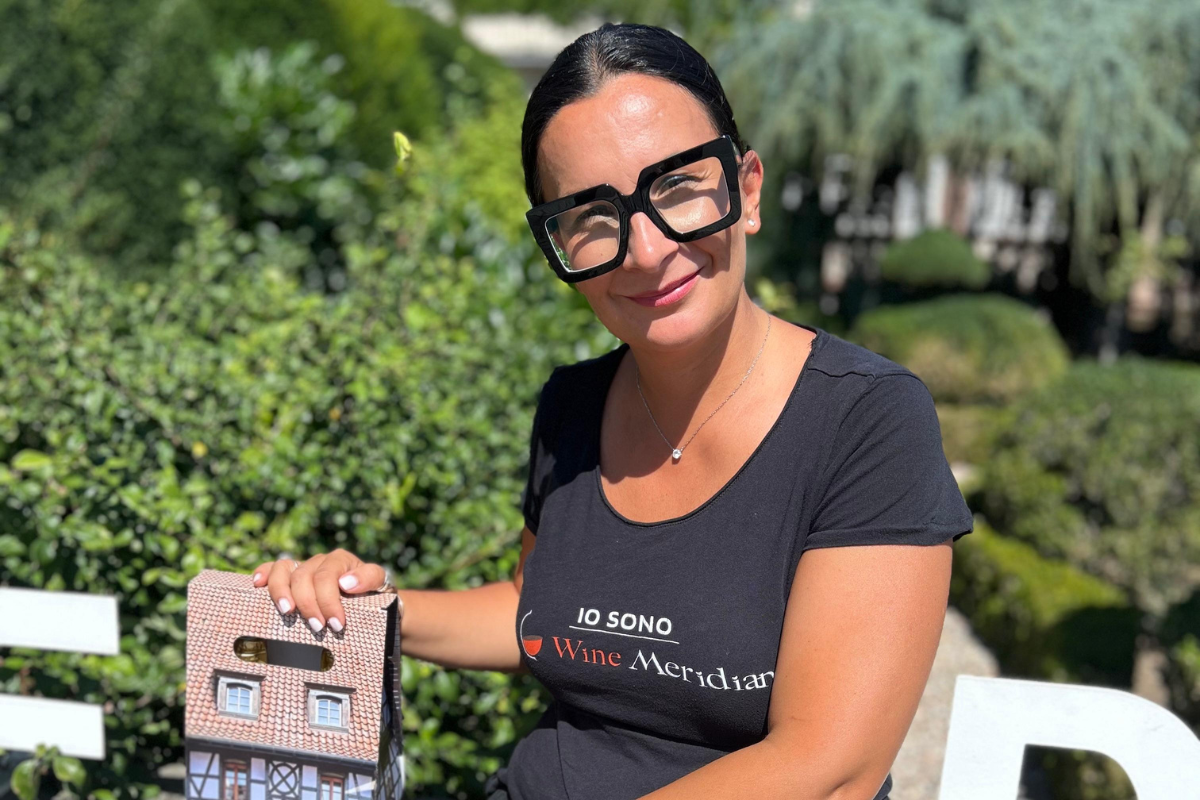
In recent years, we at Wine Meridian have embarked on numerous trips abroad to explore and document the different ways wineries around the world approach wine tourism. From the rolling hills of Napa Valley to the breathtaking vineyards of South Africa, we have observed and learned from top-tier wine tourism destinations. However, this summer, we decided to stay closer to home and dedicate our time to a European region with a long and prestigious winemakingtradition: Alsace.
With its 750 wineries, Alsace is a true treasure trove of wine tourism experiences. During our tour, we had the opportunity to visit 36 wineries, carefully selected for their ability to offer unique and engaging hospitality models. From this experience, we have drawn important lessons that we believe can be an invaluable source of inspiration for Italian wineries.
1. Wine tourism as an economic pillar
In these complex and challenging times for the wine market, Alsace is effectively “holding its ground.” In the small and medium-sized wineries we visited, wine tourism is not just an option but an essential strategy for economic sustainability. This approach deserves greater attention in Italy, where wine tourism is often seen as a secondary activity compared to traditional sales channels.
2. Wine quality and territorial identity
Another crucial aspect is the consistently high quality of Alsatian wines, each carrying a strong territorial identity. Riesling, Pinot Blanc, and Pinot Gris—each wine is not only excellent but also distinctively characterized, a crucial factor in standing out in an increasingly competitive market.
3. Hospitality with a strong sales focus
In Alsace, wine tourism is simple, direct, and highly sales-oriented. From well-curated displays to professional brochures, and from elegant glassware to clearly visible price tags, everything is designed to facilitate the buying process. This mindset, which emphasizes both knowledge and sales, is a model Italian wineries can learn from. Too often in Italy, the focus is placed primarily on the experience, overlooking the opportunity to turn every visit into a buying occasion.
4. A region entirely devoted to wine
One of Alsace’s most fascinating aspects is its ability to communicate, at every turn, its deep-rooted wine culture. Everywhere you go, it is evident that wine is at the heart of the region. This collective vision and shared investment in wine tourism create a formidable strength, making Alsace a must-visit destination for wine lovers.
5. A welcoming and accessible experience
Lastly, Alsace’s approach to hospitality is designed to be inclusive. A great example is the use of audioguides, available for both adults and children, offering engaging narratives about the winery’s history, mission, and the people who make it special. The language used is simple and approachable, avoiding technical jargon that might deter visitors.
Italian wineries have all the potential to become world leaders in wine tourism, provided they learn from and adapt the best practices of regions like Alsace. The future of Italian wine tourism could be bright, as long as it embraces the lessons from those who have already turned wine tourism into a powerful economic and cultural engine.
Key points
- Alsace’s wine tourism is an economic pillar, essential for the survival of small and medium-sized wineries.
- High wine quality and strong territorial identity make Alsace wines stand out in a competitive market.
- Hospitality is designed to maximize sales, turning every visit into a buying opportunity.
- The entire region promotes wine culture, making it a must-visit destination.
- Inclusive and accessible experiences, like audioguides, enhance visitor engagement and understanding.