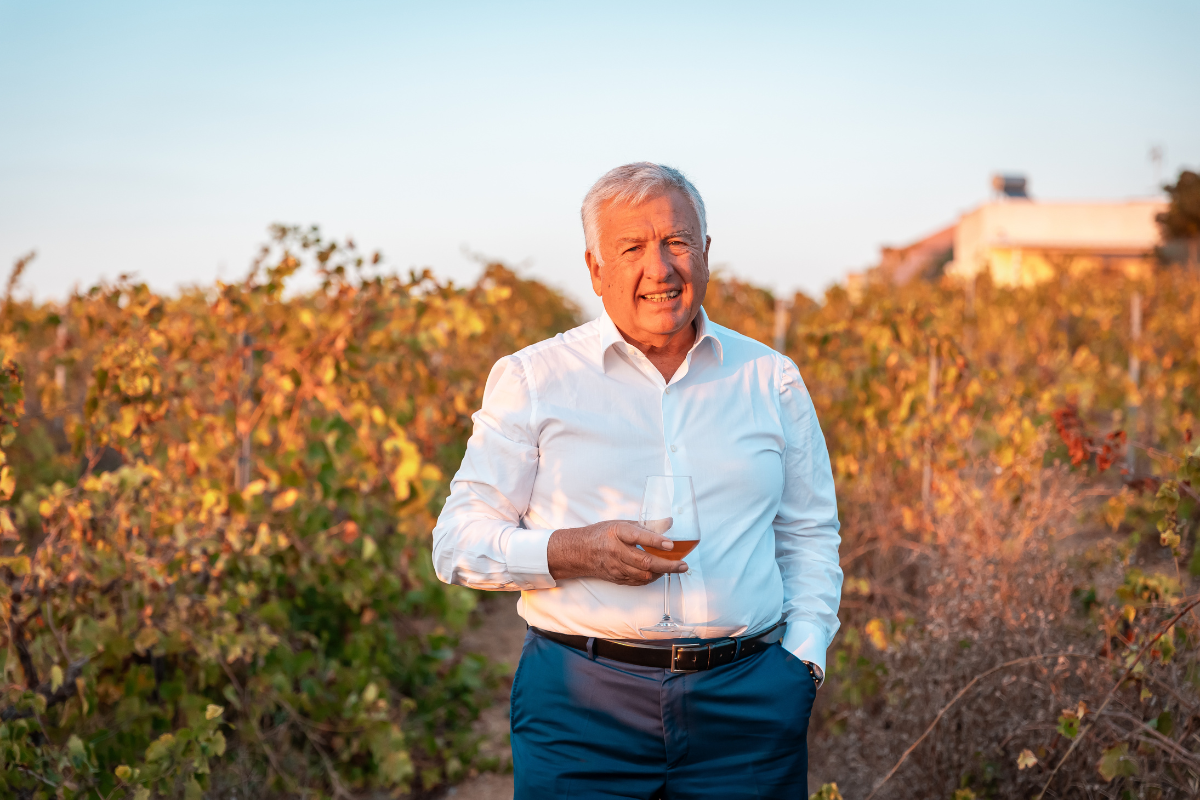
Benedetto Renda, CEO of Cantine Pellegrino, outlines a successful model for wine tourism, transforming it from a side activity into a core business unit. He emphasizes that strategic planning, investment in facilities, dedicated staff, and creating a strong local network are the essential ingredients for turning winery hospitality into a profitable and sustainable venture.
Cantine Pellegrino was founded in the late nineteenth century in Marsala, in the heart of western Sicily, during the great expansion of Marsala wine into international markets. Today, it represents one of the most solid and recognizable entities in the Sicilian wine scene, with a direct presence in Marsala, Pantelleria, and throughout the province of Trapani. The company boasts a unique wine offering, ranging from Marsala, white and red wines from native grapes, to specialties from the volcanic soil of Pantelleria.
We interviewed president Benedetto Renda, who is also the president of the Consortium for the protection of Marsala wine, about the company’s identity and the necessary ingredients for building effective hospitality.
How can the identity of Cantine Pellegrino be summarized, from its history to its current values?
“Our history begins with Marsala, the wine of the Unification of Italy, a wine whose history is intertwined with the United Kingdom. The English recognized in our wine a profile similar to Port and Madeira and created a market capable of enhancing it. Marsala generated an economic acceleration that involved all of western Sicily. We, as Cantine Pellegrino, were born in that explosion, and still today our primary foreign market for Marsala is England. But Marsala is not our only soul. Our identity is also fueled by the wines of Pantelleria and other white and red wines from Sicily. We feel we are unique in expressing this triplicity with coherence. We work on each of these ‘lines’ with vision and depth. In Pantelleria, for example, we arrived in 1992 and today we are a benchmark for Zibibbo, which we use to produce the island’s iconic sweet wines and a white with a volcanic soul, Isesi. In western Sicily, on the other hand, we focus heavily on Grillo, with expressions from different terroirs: Senarìa, the only existing Grillo Superiore DOC, which stands out for its structure and aromatic intensity, and Salinaro, a white that embodies the Mediterranean soul of the Sicilian coast.”
How important are native grape varieties today in enhancing the image of Sicilian wine?
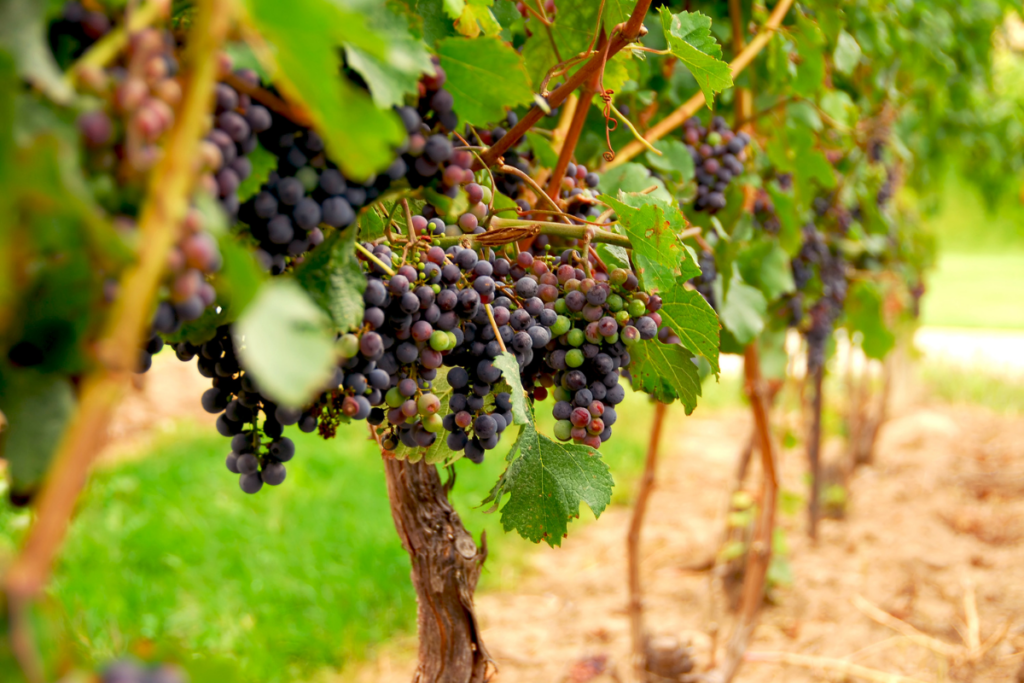
“Native grape varieties are our heritage. Grillo and Zibibbo, for example, are not just varieties for us: they are history, identity, and at the same time, modernity. Grillo, in particular, is demonstrating extraordinary versatility. It has freshness, saltiness, balance: it is perfect for contemporary drinking, even for a young audience. Western Sicily is a land of whites, although many associate it only with reds. And our whites are not sharp; they are pleasant, fresh, and mineral. The terroir makes itself felt very strongly. And it is for these reasons that Sicily enjoys great attractiveness.The wine is the territory, which is also sold through beauty. Sicily is a region that does not suffer at all in terms of image today: on the contrary, it has a great deal to tell.”
How is this identity reflected in terms of wine tourism? And what is your vision for hospitality?
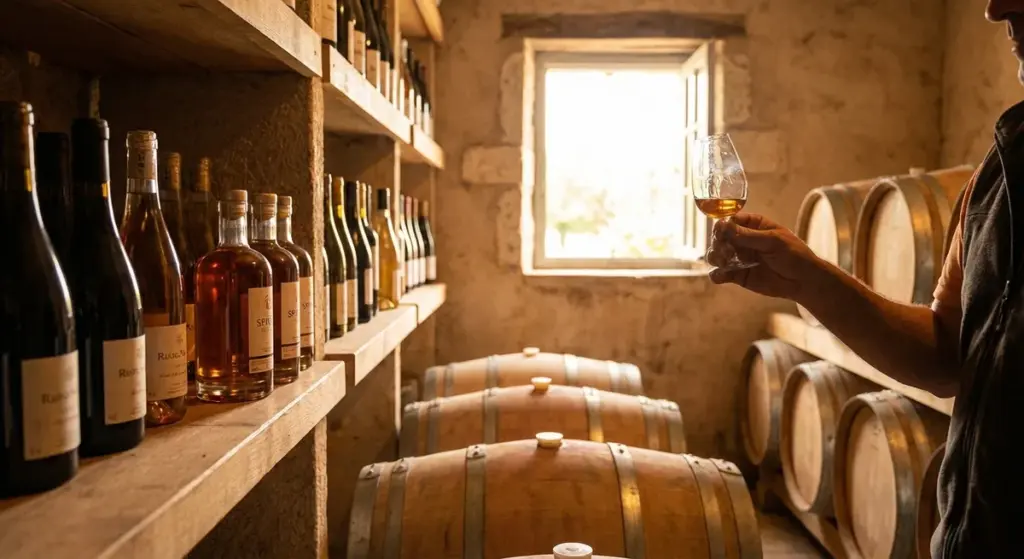
“Wine tourism for a winery is a true business unit, and it must be managed as such. We currently have over 20,000 visitors a year, a staff of seven to eight dedicated people year-round, and carefully constructed packages. But we got here because we invested. And this leads me to express a first concept, which is the basis of our reception formula: rethinking wine tourism facilities. Many companies in Marsala are doing this today. Those who started paved the way for others. The flywheel has started, but you have to know how to organize. And among the fundamental ingredients of this formula, I think there are two others: dedicated staff and the will to network. The staff must be trained, prepared, and capable of managing hospitality with vision and a commercial spirit. Wine tourism is not improvisation: it is planning. But a winery alone can, at best, attract, while an organized territory becomes a true tourist destination. We have made agreements with hotels, experiential operators, and tour organizers. This broadens the audience and enhances the entire area. Logistics also plays a specific role: for our area, the revival of the Trapani-Birgi airport was fundamental. Air connections with Europe and major Italian cities have made the development of food and wine tourism possible. Without transportation, tourism doesn’t take off. It’s a dynamic that must always be considered: where the flight arrives, so does the curious visitor, the wine lover from every part of the world.”
What would you recommend to those who are still skeptical about wine tourism?
“Don’t waste time: the market is demanding it. Even small companies need to understand that investing in hospitality is not a luxury, but a necessity. You can start small, but with coherence. If the territory is organized, you grow together.If you stand still, you remain outside the important circuits.”
Key points
- Treat wine tourism as a strategic and structured business unit.
- Success depends on investment, trained staff, and networking.
- Native grapes like Grillo are crucial to Sicily’s modern identity.
- Logistics and transport infrastructure are fundamental for growth.
- Investing in hospitality is a necessity, not a luxury, for all wineries.