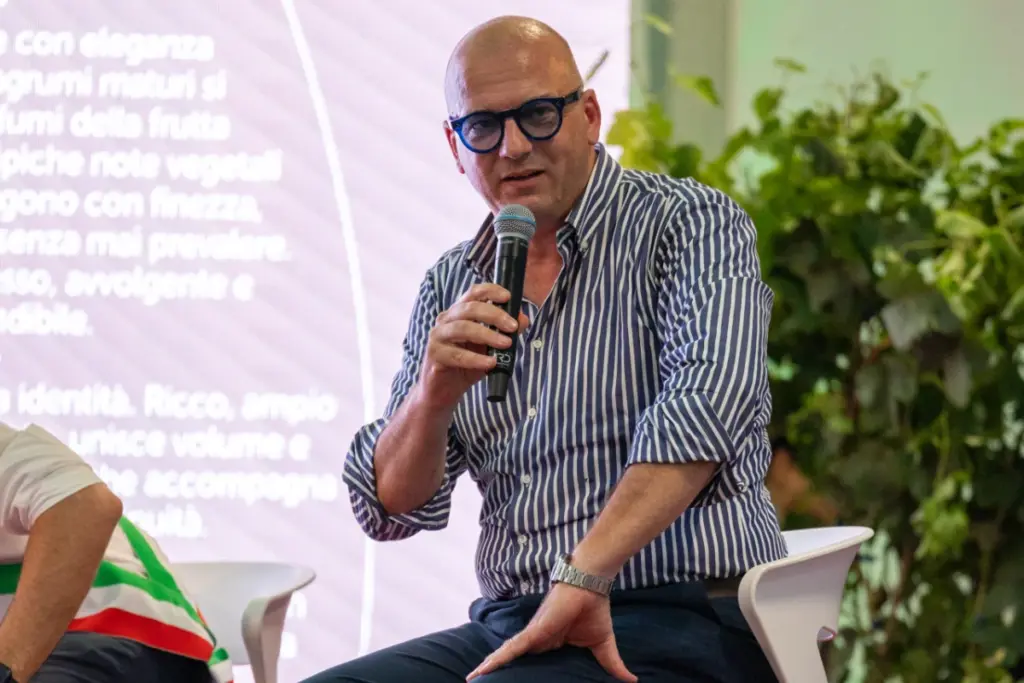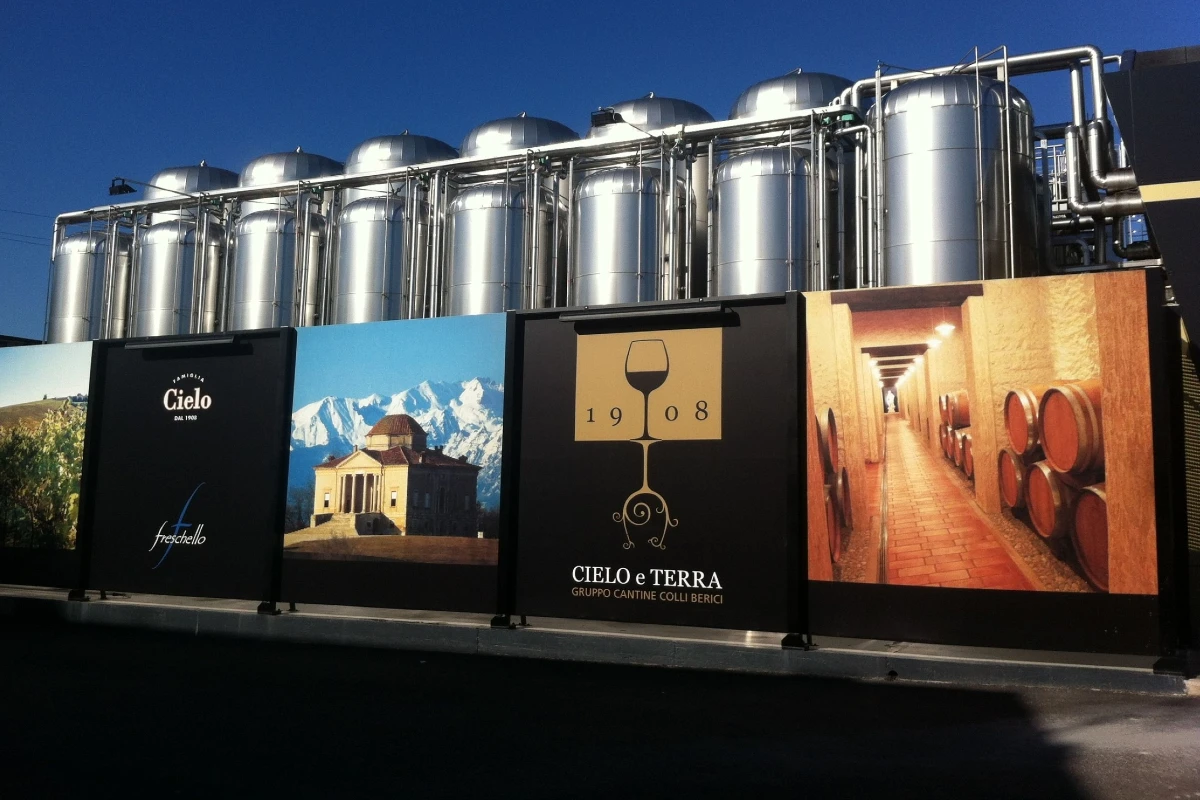
Francesca Valdegamberi, HR Specialist at Cielo e Terra, explains how a centralized HR function, structured onboarding and B Corp transparency have almost eliminated turnover at the century-old winery. The interview covers sustainability training, feedback tools like the idea box and ethics box, and why innovation remains the key soft skill for new hires.
Behind a great wine there is not only the land, but an organization that knows how to take care of people. In this interview, Francesca Valdegamberi, HR Specialist at Cielo e Terra, tells us how a structured vision of Human Resources can transform a century-old company into a model of stability and innovation.
From the almost total elimination of turnover to the integration of sustainability into evaluation processes, the portrait emerges of a company that does not undergo change, but guides it through active listening and continuous training. A dialogue that explores how the radical transparency of B Corps and the spirit of innovation are the secret ingredients for making talent flourish.
The wine sector is built on natural cycles and seasonality. How do you reconcile the flexibility the market demands with the wellbeing and stability of your staff?
Our operating model allows us to maintain fairly stable production regularity, an atypical aspect compared to other companies in the sector. Since we do not handle winemaking directly, but focus on processing, bottling and sales, we do not rely on seasonal staff. This ensures good stability of our workforce.
The real turning point came about three years ago with the introduction of a centralized HR function. Before that, recruitment was fragmented among various managers and agencies, leading to less structural consistency. Since we structured our recruitment and onboarding processes, turnover has dropped drastically, almost reaching zero resignations last year. For me, this is not only a statistical figure, but a real point of professional pride.
I wanted to understand what criteria you use to select profiles. For Cielo e Terra, does technical excellence or ethical alignment with company values, including sustainability, matter more? Can the latter be trained?
I believe technical competence and ethical alignment must go hand in hand. Although it is not immediate, sustainability is a cultural value and, as such, can be learned. However, for employees to adopt sustainable behaviours, it is essential that the company spreads this culture as a true organizational mission.
To turn values into concrete actions, we use tools such as the “idea box”, where employees propose improvements on a voluntary basis. Projects that promote sustainability, understood for example as organizational wellbeing, production efficiency, energy saving or workplace safety, receive an evaluation from a team that meets periodically to assign a score and reward the best ideas. In addition, we have integrated the values of trust, responsibility and sustainability directly into our annual performance evaluation systems, making them parameters considered in every employee’s growth path.
In a company with more than a century of history, how do you manage the meeting between the historical memory of veteran employees and the innovative drive of new hires?
It is a complex challenge that we manage through the structuring of processes and support for training. We have introduced clear procedures and onboarding sheets to facilitate the handover. We do not simply ask “senior” staff to mentor newcomers; we specifically train them in the soft skills needed to teach.
This approach ensures uniformity in the transmission of knowledge and provides new hires with a traceable guide. We make use of periods of lower production to invest in training rather than resorting to forced holidays when possible; a recent example was training on the SMED system for machine changeover. In this way, time becomes a resource to develop the entire production line.
Transparency is a B Corp pillar. How do you communicate company successes (and especially problems) to employees, to make them part of the project and not just executors?
Sharing is systematic. Twice a year, on the occasion of company celebrations, management presents all employees with the results achieved, the critical issues and future projects, with a particular focus on sustainability objectives. In addition, there are more operational monthly meetings led by the Operations Director, focused on safety and accident prevention.
To encourage two way dialogue, we use an “ethics box” for anonymous reports and we carry out a company climate survey every three years. This data allows us to intervene in a targeted way in individual departments to improve collective wellbeing. For us, transparency means turning every piece of feedback into an opportunity for continuous improvement.
In conclusion, if you had to define one cross cutting soft skill you look for in new talent, what would it be?
Without a doubt, the spirit of innovation. We look for people who are eager to take on new challenges, solve complex problems and constantly learn. A concrete example of our openness is our attention to the new topic of artificial intelligence: we have already launched training courses on AI applied to marketing. This intellectual curiosity and openness to new things are the fundamental requirements for being part of a company that wants to keep evolving.
Key points
- Centralized HR processes almost eliminated turnover, cutting resignations to nearly zero last year.
- Sustainability values are integrated into performance evaluations and rewarded through the idea box program.
- Structured onboarding and mentoring help transfer historical knowledge from veteran staff to new hires.
- Twice yearly transparency meetings share results, challenges and sustainability goals with all employees.
- Innovation and curiosity remain the top soft skills sought in new talent, including AI training.