Wine tourism fails when wineries rely solely on product quality without proper storytelling, authentic experiences, and professional hospitality. Common mistakes include offering generic tours, inconsistent communication, untrained staff, and lacking post-visit follow-up. Success requires treating wine tourism as a profession that transforms visits into lasting relationships and memorable stories.
Imagine entering a winery that produces extraordinary wines, but leaving without having felt even a hint of emotion. It happens more often than you think. Behind every disappointing visit there is almost always one of those mistakes that, while seeming trivial, end up nullifying years of work in the vineyard and cellar. Because the paradox of wine tourism is precisely this: you can have the best wine in the world, but if you don’t know how to tell its story, it remains just a liquid in a bottle.
Thinking that wine quality alone is enough to create the experience
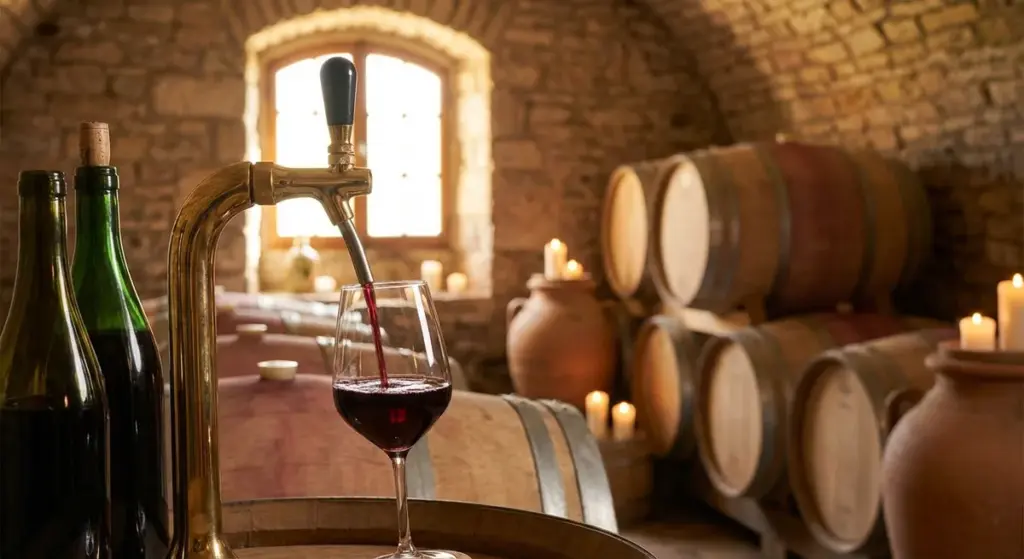
Wine is the protagonist, certainly, but it’s not sufficient on its own. The experience is born from the story that accompanies it, from the environment that enhances it, from the human interaction that brings it to life. Even the greatest Barolo in the world can go unnoticed if drunk quickly, without context, without anyone explaining why that vineyard is special or what makes that terroir unique.
It’s a bit like reading Dante’s Divine Comedy without footnotes: all the words are there, but the magic escapes us. Excellent wineries that neglect storytelling risk transforming potentially memorable tastings into simple anonymous samplings.
Offering generic and inauthentic tourist experiences
Nothing kills wine tourism faster than banality: standard visits, speeches recited by heart, pre-packaged tours identical everywhere. Authenticity is the only real added value. When a visitor perceives they are having the same experience they could find at any other winery, the charm breaks immediately.
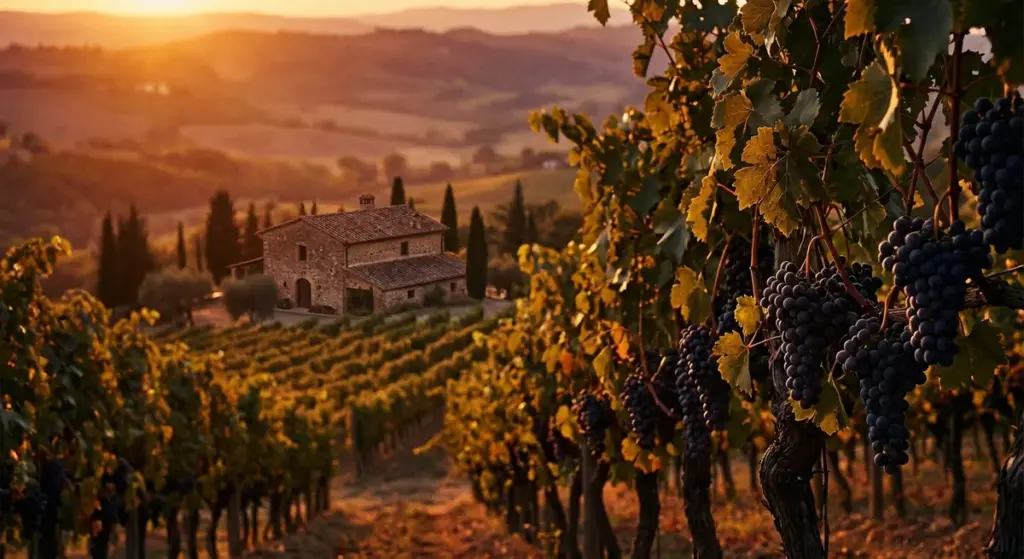
Today’s travelers aren’t just looking for wine, they’re looking for genuine emotions, direct contact with producers, stories that truly belong to that place. They want to smell the earth on the winemaker’s hands, listen to anecdotes they won’t find on Trip Advisor, touch traditions that exist only there. Offering cookie-cutter experiences means devaluing not only the perception of the winery, but the entire territory it represents.
Having inconsistent or absent communication
An outdated website, contradictory messages, absence of storytelling: this way the visitor arrives disoriented and leaves remembering nothing. Communication must be the common thread that connects expectations and reality, and must faithfully reflect what will be experienced at the winery.
Too often we encounter websites that promise “exclusive experiences” only to offer standard tastings, or poetic descriptions that find no correspondence in reality. Text, images and tone of voice must clearly and truthfully convey the brand’s identity, because consistency is the foundation of trust, and trust is the foundation of every lasting relationship.
Managing hospitality unprofessionally
Too often hospitality is entrusted to someone who “has some free time” or is managed without training. But wine tourism is a profession that requires precise skills. Loving wine is not enough to know how to welcome guests: time management abilities are needed, mastery of appropriate language, sensitivity in reading customer needs.
Improvised hospitality is immediately recognizable: in the nervousness of those who don’t know what to say after pouring the first glass, in the uncertainty about visit timing, in the inability to adapt communication style to different types of guests. Improvisation penalizes the experience more than any other mistake, because it transforms what should be the most intimate and special moment into a missed opportunity.
Neglecting post-visit follow-up
Many wineries close the experience with a goodbye at the door. A serious mistake: true value is born in the continuity of the relationship. The visit should be just the beginning of a relationship that is nurtured over time, made of updates on new vintages, invitations to events, personalized proposals.
A simple personalized thank you, an invitation to join the wine club or an online purchase proposal can transform a visit into a lasting bond. Because the goal is not to sell bottles that morning, but to create ambassadors who will return, who will talk about the winery to friends, who will choose those wines even at restaurants.
Wine tourism only works if approached with vision and professionalism. Thinking that simply opening the winery door is enough is the most dangerous illusion.
Key points
- Wine quality alone doesn’t create memorable experiences; storytelling and human connection are essential.
- Authentic, unique experiences beat standardized tours; visitors seek genuine emotions and local traditions.
- Consistent communication across all channels builds trust and aligns visitor expectations with reality.
- Professional hospitality training is crucial; improvised hosting undermines even the best wine offerings.
- Post-visit follow-up transforms one-time visitors into loyal ambassadors who return and recommend the winery.