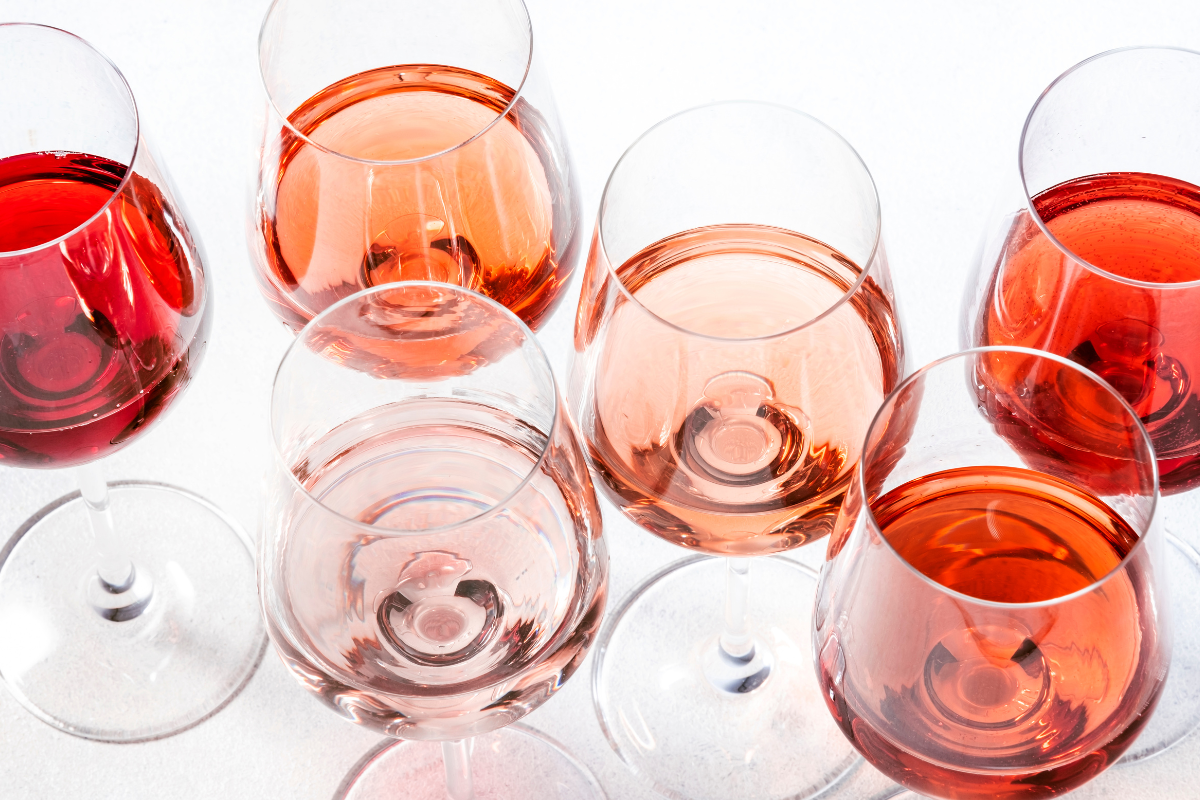
De-alcoholized wines have moved from being ignored to being considered a rising trend. However, is this shift an industry revolution or an overhyped phenomenon? This article critically examines whether de-alcoholized wines will significantly impact global consumption or remain a niche. It also explores the importance of understanding market dynamics beyond fleeting trends.
For years, de-alcoholized wines were completely ignored by our wine world. Then they were demonized, and now they seem to be an unstoppable trend that almost everyone wants to chase.
I dare say that this attitude towards no- and low-alcohol wines highlights a degree of immaturity in the industry. After being snubbed for decades, they are now being portrayed by some as the new global consumption trend. But was there really such a great need for a “sin-free” version of wine? Or are we once again overestimating a phenomenon that will almost certainly remain confined to a niche?
Careful, as I wrote some time ago in the article Why I Say Yes to No-Alcohol Wines, I am absolutely in favor of the wine industry maintaining control over the production of de-alcoholized wines, as it would be foolish to miss out on an opportunity that is nonetheless useful for the economic sustainability of our sector. But believing that this will be a trend that changes the economic fate of our industry—because it aligns with an unstoppable consumption trend that sees alcohol as the enemy—is, in my opinion, completely mistaken.
If we listen to the enthusiastic tones of some observers, it would seem that the future of wine is alcohol-free. Too bad the data tells a different story. The de-alcoholized wine market is growing, yes, but not exponentially. It remains confined to negligible percentages compared to the global consumption of traditional wine. And most importantly, the main target is not those who have always consumed wine, but consumers who approach the beverage world with a completely different mindset.
In other words, those who used to choose a glass of red or white will hardly replace it with an alcohol-free version. On the contrary, those who have always avoided wine—perhaps for religious, ethical, or lifestyle reasons—might find de-alcoholized wines a valid alternative. But does this really mean that alcohol is destined to disappear from wine?
An industry that chases trends instead of understanding them
The history of wine is full of fleeting trends. Over the years, we have seen the rise and fall of trends that seemed unstoppable: from the Moscato boom to the momentary success of radical “natural” wines, to rosés that, after a commercial explosion, have settled into a well-defined niche. The problem is not the emergence of new phenomena, but how the industry approaches them—with blind enthusiasm and without a concrete analysis.
The rush to declare de-alcoholized wines as “the future” once again demonstrates how much the wine industry struggles to manage new trends with clarity. It goes from completely ignoring a phenomenon to mythologizing it, often without understanding the real market dynamics. The industry chases consumers without asking the most important question: can wine really exist without alcohol?
Alcohol: a key component of wine, not an optional
There are already voices speculating about a future in which alcohol will no longer be an essential element of wine. But they forget a crucial aspect: alcohol is not just a chemical element in the beverage, but a fundamental part of its identity. It is not just a matter of structure, body, aromas, and balance. Wine is a social product, a facilitator of relationships, a catalyst for conviviality.
Thinking that alcohol can be removed without affecting the soul of wine is an illusion. If wine’s millennia-old success is based on its ability to accompany moments of sharing and enhance conviviality, believing that a “soft” version could completely replace it means failing to understand its true value.
The future? No panic, just rationality
De-alcoholized wines will continue to exist and will probably grow in some niches, but they are unlikely to revolutionize the sector. The biggest mistake would be falling into a narrative that paints them as the next standard for wine. History teaches us that every attempt to distort wine in order to chase ephemeral trends has always been short-lived.
Rather than bending to passing fashions, the wine industry should learn to approach trends with a more mature perspective, based on real data and a deep understanding of consumption dynamics. Wine is wine because it has a history, an identity, and yes, alcohol. Trying to turn it into something else means losing touch with its essence.
And honestly, is there really a need for that?
Key points
- De-alcoholized wines have moved from being ignored to a rising trend but remain a niche in global wine consumption.
- The wine industry often overreacts to new trends without fully analyzing their long-term impact.
- Alcohol is a fundamental part of wine’s structure, identity, and social role.
- Data shows that de-alcoholized wine growth is not exponential but focused on specific consumer groups.
- The industry should assess trends rationally instead of blindly chasing short-lived market shifts.