Converting wine tourists into buyers requires specific strategies that bridge the gap between curiosity and purchase. By analyzing real-world practices from Italian wineries, this article explores how small gestures, like an immediate welcome drink or culinary storytelling, create emotional connections. These tactics transform a simple visit into a memorable, shared experience that naturally encourages direct sales.
Identifying the exact moment a tourist shifts from a curious guest to a potential buyer is a vital skill for any winery. I have long been convinced of this, but it became strikingly clear during a recent training cycle conducted for a consortium. Wine Meridian works daily alongside Italian wineries to gather authentic testimonies and share them as collective heritage.
During these sessions, wineries shared practical strategies born from direct experience with visitors without any filters. What emerged is a lucid and surprisingly simple framework for improving hospitality. The simple act of offering a welcome drink as soon as a guest arrives has an immediate and powerful impact on the visit’s tone.
Many wineries delay this gesture until the formal tasting to avoid “wasting” wine, but early hospitality breaks the ice and builds empathy. It transforms the visitor from a listening tourist into a welcomed guest. In those first few minutes, the emotional predisposition to purchase is established through a relaxed and convivial atmosphere.
Another effective technique involves “seeding” sales through culinary storytelling, such as discussing local recipes and traditional pairings during the tour. Talking about Barolo risotto or local game dishes generates a specific need in the guest’s mind for the right wine. The sale often happens during the gastronomic narration before the group even reaches the tasting room.
This approach highlights how skills that seem distant from the core wine business can actually become powerful sales accelerators. Some wineries focus on presenting wine as a tool for sharing moments rather than just a product. By selling the idea of a Friday night dinner with friends, the wine becomes an emotional experience.
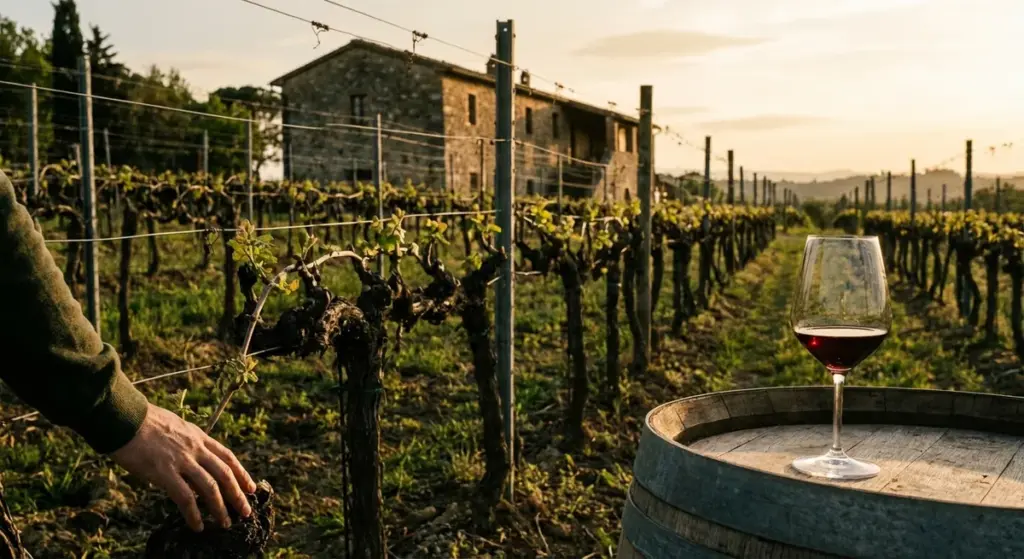
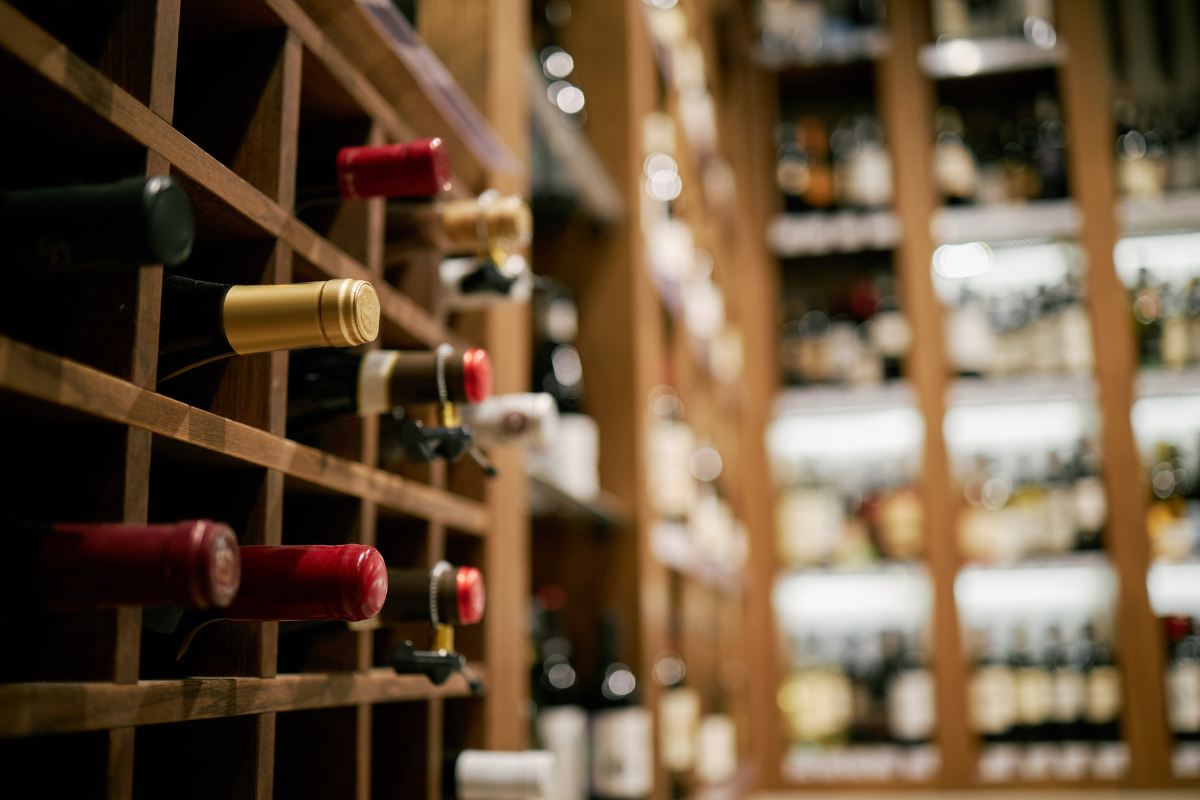
Finally, displaying older vintages helps resolve common buyer concerns regarding a wine’s shelf life and aging potential. Seeing bottles that have aged gracefully for years reassures customers and eliminates the anxiety of having to consume the wine immediately. This visual proof of longevity encourages visitors to invest in larger quantities without fear of the wine spoiling.
Key points
- The welcome drink immediately creates empathy and breaks the ice, preparing the visitor for a future purchase.
- Gastronomic storytelling during the tour creates a perceived need for specific wines to pair with traditional local dishes.
- Shift the narrative from the physical product to the emotional experience of sharing moments with friends and family.
- Displaying older vintages reassures customers about aging potential, removing the pressure to consume the wine quickly.