Food and wine pairing plays a crucial role in wine tourism, enriching tastings and enhancing the overall visitor experience. While wine remains central, the addition of well-curated local food options creates a deeper connection with the territory. This article explores how wineries can optimize their offerings and whether investing in an agritourism license is a strategic move.
After years of consulting and collaboration with wine tourism businesses in Italy and abroad, we at Wine Meridian have understood that the key elements of a wine tourism business can be summed up in 11 essential components.
We can imagine these elements as the ingredients of a culinary recipe that harmoniously combine to create an unforgettable experience in the world of wine and culture. Each winery has its own unique and inimitable recipe.
We have created a dedicated column on the 11 ingredients of wine tourism! In each edition, we will explore one of the elements that make a wine tourism experience truly unforgettable.
Today, we talk about the food and wine element, the true protagonists of wine tourism.
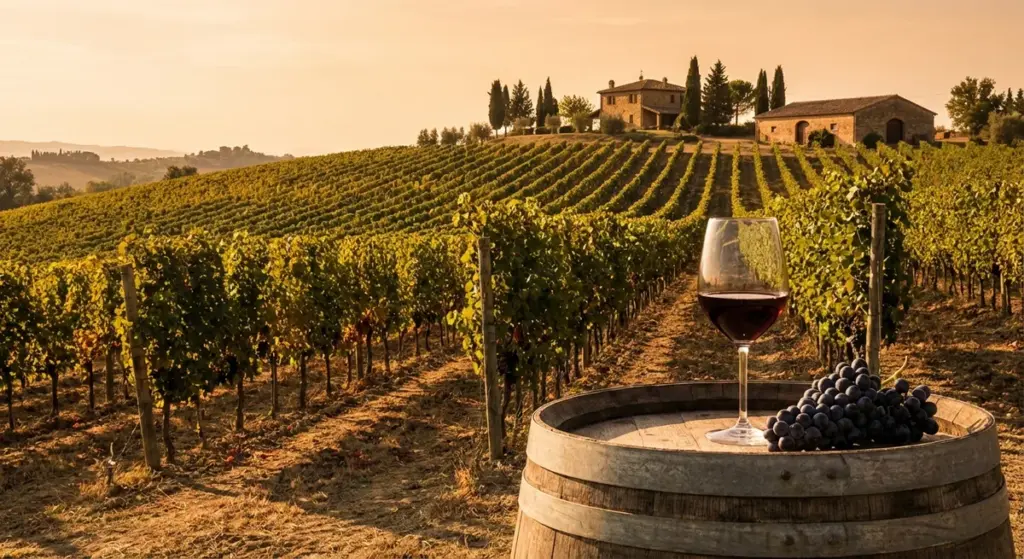
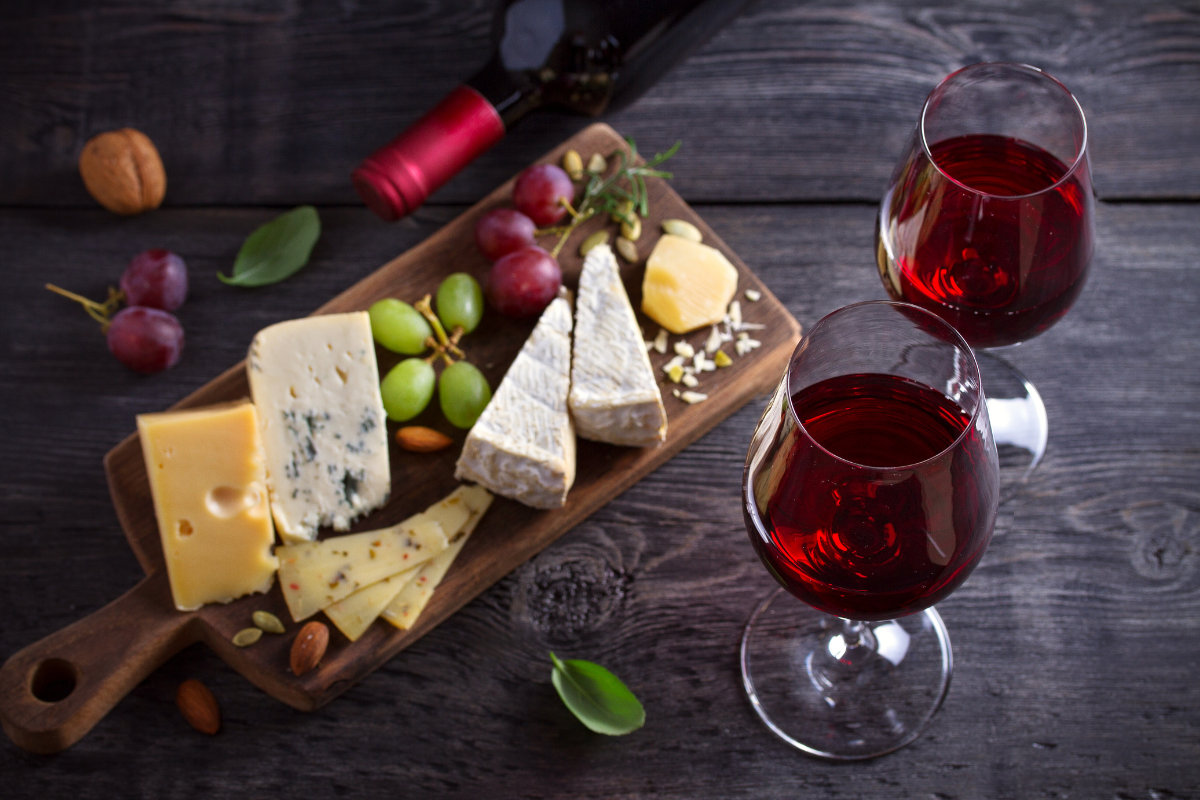
Imagine yourself in a winery where guided tastings, platters of local products, and menus designed to enhance the wines offer you a culinary journey that completes the wine tourism experience. This is the power of food and wine pairing: enriching your visit and making it unforgettable.
Wine at the heart of the experience
Let’s not forget, wine is always at the center of the experience. However, today almost all wineries produce good wine, and only a few consumers can distinguish faults, subtle notes, and differences in wine. The real skill lies in storytelling and guiding the tasting experience.
This is not a given. For example, some wineries generously offer six different variations of the same wine, without realizing that most guests won’t perceive these nuances. Perhaps it’s better to offer three wines, explaining the differences between them more effectively.
Enhancing wines is an art: when the product is excellent, it is crucial to properly highlight what is in the glass.
The importance of food and wine pairing
The pairing with food is becoming increasingly important. Digital platforms that sell wine tourism experiences confirm that among the best-selling options are those offering a rich food and wine selection. A menu designed to enhance the wines, using local products, can transform a simple tasting into a complete and satisfying experience. This type of pairing not only enriches the visitor’s experience but also helps to better tell the story of the region and its culinary traditions.
The law regulating wine tourism activities requires serving only “cold and ready-to-eat foods.” So, is it worth investing in an agritourism license to offer more? The answer is: it depends. Serving hot dishes paired with the winery’s wines can make a difference and turn a wine tourism experience into a memorable event. Investing in an agritourism license can open new opportunities and attract a wider audience eager for a complete food and wine experience.
On the other hand, some businesses prefer to keep wine at the center of the experience without shifting too much focus to other elements. It should also be noted that bureaucracy often complicates the process of obtaining the necessary licenses, making regulatory compliance a challenging path.
Keep following us to discover all the ingredients that make up the perfect recipe for wine tourism!
Key points
- Food and wine pairing elevates the wine tourism experience, making tastings more immersive and memorable.
- Wineries should focus on storytelling to differentiate their tasting experiences and engage visitors.
- Offering fewer wines with better explanations enhances appreciation more than overwhelming visitors with too many options.
- Menus designed to complement wines boost visitor satisfaction and sales.
- Investing in an agritourism license can open new opportunities but requires navigating complex regulations.