Understanding winery visitors is key to creating personalized experiences. This article identifies three main visitor types: the pragmatic buyer, who seeks to purchase quickly; the tasting enthusiast, who enjoys a relaxed atmosphere; and the traditional wine tourist, who wants the full experience. By recognizing their needs, wineries can enhance customer satisfaction and drive long-term engagement.
Every day, Italian wineries welcome a variety of visitors through their doors. To provide a high-quality and tailored service, it is crucial to identify the different kinds of people who visit and meet their expectations effectively.
Wineries must be prepared and adopt a flexible mindset, recognizing that not all visitors are looking for the classic vineyard or winery tour. Understanding who is in front of you and personalizing the approach allows for a tailored experience that respects each person’s time and preferences.
We have identified three main categories of visitors who walk into Italian wineries.
1. The Pragmatic Buyer: Only Interested in Purchasing Wine
This visitor has a clear goal: buying wine. They are not interested in long tours or technical details but simply want to taste before making a purchase. To satisfy them, it is essential to offer a quick tasting option, possibly with a paid selection, so they can assess the quality of the products. A well-designed brochure that outlines the characteristics of the wines and purchasing options can make a difference, enhancing their experience and encouraging future visits.
2. The Tasting Enthusiast: Wants to Relax with a Glass in Hand
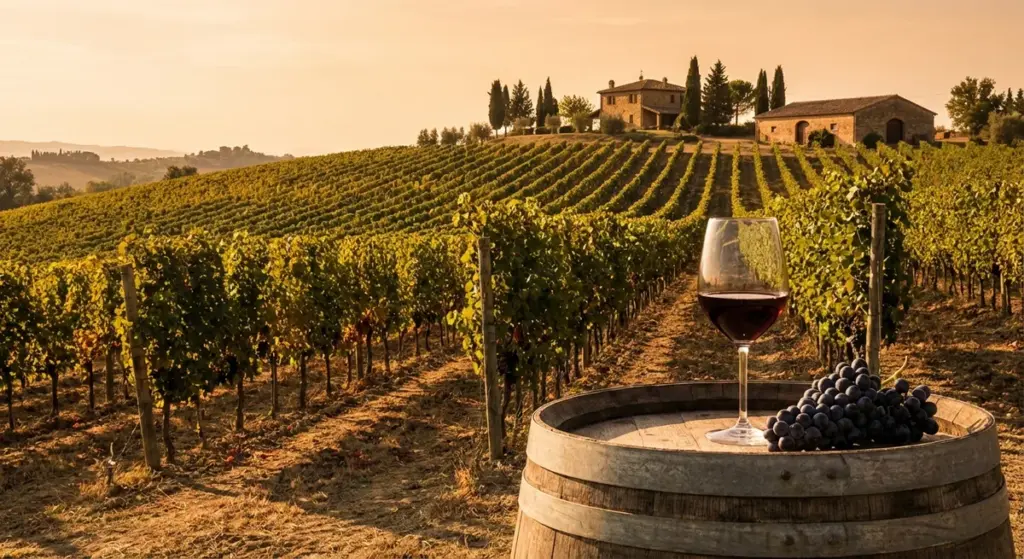
Some visitors are not necessarily looking to learn about winemaking or the winery’s history; they simply want to enjoy a good moment of relaxation in a beautiful setting. These guests wish to sit down, sip a glass accompanied by a platter, and soak in the atmosphere. In Italy, some wineries might feel ‘too serious’ to those who just want to enjoy wine without obligations. It is important to create a welcoming and relaxed space where even less engaged visitors can appreciate the wine, guided discreetly by a sommelier.
3. The Traditional Wine Tourist: Looking for the Full Experience
Lastly, we have the classic wine tourist—the one who loves to dive into the world of wine, from the vineyard to the cellar, ending with a tasting session. This visitor expects a comprehensive narrative, from the vineyard’s story to an explanation of the vinification process, culminating in a carefully curated tasting. This is a profile that wineries are well acquainted with and one that Wine Meridian explores in many articles. For these guests, the key is maintaining high engagement and quality throughout the visit, ensuring that each experience is unique and memorable.
Key points
- Identify three visitor types: Pragmatic buyers, tasting enthusiasts, and traditional wine tourists.
- Offer tailored experiences: Quick tastings, relaxed wine enjoyment, or full vineyard tours.
- Use strategic communication: Clear brochures, engaging storytelling, and a welcoming setting.
- Enhance engagement: Match visitor expectations with guided tastings, personalized recommendations, and flexible options.
- Boost return visits: Create memorable experiences that encourage future winery visits and brand loyalty.