Boosting average winery sales requires maximizing the value of every guest, not just attracting more visitors. This article explores practical strategies, from offering premium, personalized experiences and effective upselling to leveraging digital booking systems and authentic storytelling. The key is to create perceived value that justifies higher spending and builds long-term customer loyalty.
It is no longer enough to attract visitors; we must maximize the value of every experience.
The data proves it: the sector has seen an average increase in tourist spending of +19%, a sign that consumers are willing to invest more when they perceive quality, uniqueness, and engagement. In other words, the experience lived in the winery becomes the main driver for raising the average receipt and consolidating revenue.
Premium and personalized experiences
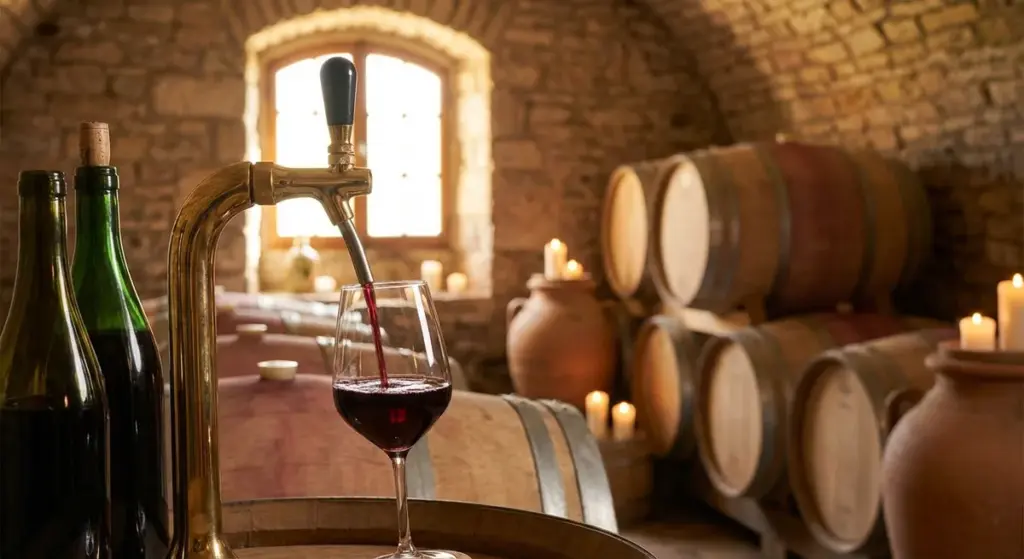
The first step to increasing the average spend value is to differentiate the offer. A standard tasting is no longer enough today: visitors seek exclusivity, emotional content, and the opportunity to live memorable moments.
- Vertical tastings, reserved for a limited number of guests, allow for the valorization of historical vintages and justify a premium price.
- Pairing with local products, from extra virgin olive oil to typical cheeses, enriches the narrative and multiplies sales opportunities.
- Experiential packages (vineyard visits at sunset, meetings with the winemaker, blending workshops) transform a simple visit into an exclusive journey, capable of elevating perception and spending.
Sales and loyalty strategies
The quality of the experience must be accompanied by effective sales techniques.
- Cross-selling and upselling are essential tools: proposing special formats, gift packages, or particular vintages at the end of the visit increases the average receipt without seeming forced.
- Creating a wine club or membership not only stimulates recurring purchases but also establishes an emotional and lasting bond with the guest. Those who become part of a community are willing to spend more because they feel they belong to a project.
Digitalization and storytelling
Today, digital is an indispensable ally. A well-structured online booking system makes it easy to offer premium packages and encourages pre-payment, reducing drop-off. E-commerce, if integrated with the winery experience, offers purchasing continuity even after the visit, consolidating the average spend over time.
But no technology can succeed without a strong narrative. The brand’s authentic storytelling – the family history, the production philosophy, the values tied to the territory – becomes the key to justifying higher prices. Telling the “why” behind a bottle transforms wine from a product into a cultural and identity-based experience.
Increasing the average receipt in the winery is not a matter of raising prices, but of creating real and perceived value for the guest. Premium experiences, targeted sales strategies, digital tools, and a coherent narrative represent the pillars for building a sustainable and profitable wine tourism model. The final advice is simple: observe your data, test different solutions, listen to visitor feedback. Only in this way can each winery find the most suitable formula to transform a visit into an emotional and economic investment, capable of leaving a mark on memory… and on the receipt.
Key points
- Differentiate the offer with premium, personalized experiences like vertical tastings.
- Use upselling and wine clubs to increase spending and build lasting loyalty.
- Implement digital tools for easy booking of premium packages and e-commerce.
- Employ authentic storytelling to build brand value and justify higher prices.
- Analyze data and visitor feedback to continuously refine your sales strategy.