The rise of “new hedonists” is reshaping consumer expectations, demanding unique and immersive wine experiences. This article explores how wineries can attract this growing segment by offering personalized experiences, innovative products, and authentic storytelling. From limited-edition wines to multi-sensory tastings, wineries must elevate their appeal to remain competitive in an increasingly experience-driven market.
I read with great interest Diageo’s 2025 Report on projected consumption trends for this year. I focused in particular on the five “new” consumer categories identified in the study, which was conducted using an innovative method known as the Foresight System. This system, developed by Diageo in collaboration with data and insight specialists such as Share Creative, has been dubbed the “Hubble Telescope” of consumer insights. It enables the identification of cultural and behavioral signals on a global scale. The study analyzed over 160 million conversations online over the course of a year, drawing from 180 global markets. Sources included social media, online forums, digital platforms, television, and even YouTube.
This makes it one of the most in-depth and reliable analyses available for understanding the profiles and needs of today’s consumers.
As I mentioned, the study identified five main consumer profiles that, to varying degrees, influence and will continue to influence the wine industry through their decision-making criteria.
In this editorial, I want to focus on the first profile, the so-called “new hedonists,” as I believe they have the most direct and natural connection with the world of wine, particularly with fine wines.
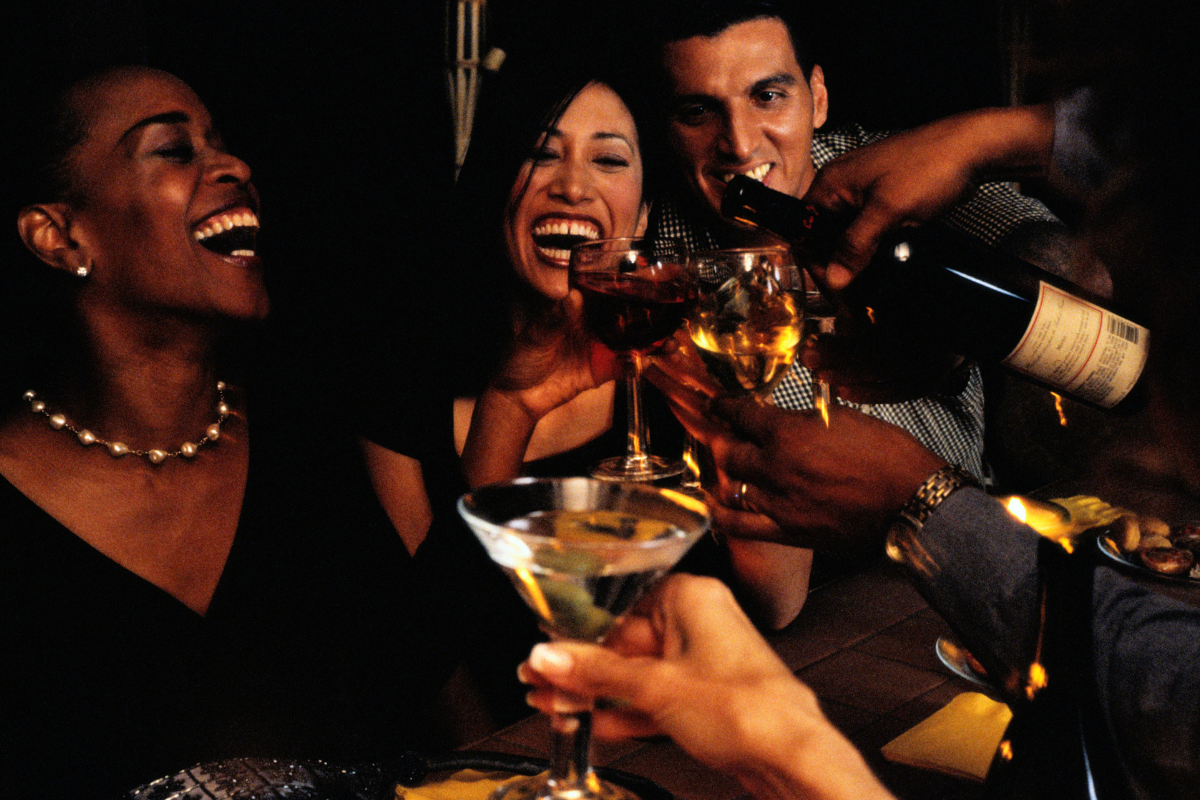
In short, new hedonists represent a new generation of consumers who seek sophisticated and memorable pleasures, prioritizing the quality of experiences over quantity or simple indulgence. These consumers want to experience moments that “make the soul sing,” valuing what enriches them emotionally, culturally, and sensorially. They are attracted to anything that can turn an ordinary moment into something extraordinary and unique.
It is true that this category of demanding consumers, in search of exclusive experiences and products, has always existed. However, the Diageo study makes it clear that not only has their number grown, but their expectations have also increased.
In short, the bar for exclusivity has been raised even higher. This should come as no surprise, given that the offer of so-called “memorable experiences” has expanded over time, making it increasingly difficult for any business to find original ways to be truly memorable.
When we shift our focus to the wine industry, with tens of thousands of producers and millions of labels, the challenge of standing out and being memorable becomes even more daunting.
For a wine business, attracting new hedonists means going beyond the “simple” production of high-quality wine. It requires offering experiences, products, and communication strategies that meet their desire for uniqueness, authenticity, and memorability.
Moreover, achieving memorability is almost always the result of the ability to create personalized experiences tailored not just to a specific target group but to specific individuals.
Unfortunately, as we well know, the so-called customization of experiences—built on a real understanding of customers and visitors—is still rare in the communication and hospitality strategies of many wine businesses. However, with new hedonists, there is no alternative: either you know and recognize them, or you will struggle to offer them experiences that they will truly remember.
I have outlined some concrete actions that wineries can take to enhance their appeal in terms of memorability. Some of these actions may seem obvious and self-evident, but beware: focusing solely on originality often leads to neglecting the fundamental principles of effective brand recognition.
Offering Memorable Experiences
New hedonists seek unique and unforgettable moments. A winery can:
- Create immersive experiences: Organize multi-sensory tastings that engage sight, smell, taste, and hearing, perhaps incorporating natural sounds or live music.
- Host exclusive events: Offer private vineyard dinners featuring renowned chefs and unique pairings, or themed evenings such as “Night Under the Stars” with stargazing sessions.
- Utilize alternative locations: Set up innovative tasting areas such as panoramic terraces, underground cellars, or tranquil nature retreats.
Personalization of the Offer
New hedonists appreciate the ability to personalize their experiences. Some ideas include:
- Customized labels: Allow customers to design personalized labels for wine bottles.
- Tailor-made blends: Offer blending sessions where visitors can create their ideal wine with the help of a winemaker.
- Bespoke packages: Provide personalized tours, food pairings, or hands-on workshops.
Innovative and Engaging Communication
New hedonists are drawn to inspiring and engaging stories. A winery can:
- Tell authentic stories: Develop narratives that highlight traditions, the connection to the land, and the people behind the wine.
- Use impactful social media: Share short, engaging videos, behind-the-scenes moments, and highlights from the harvest or the making of a special blend.
- Create digital experiences: Implement augmented or virtual reality to allow customers to explore the winery remotely through interactive virtual tours.
Product Innovation
New hedonists value quality and innovation. Some strategies include:
- Limited-edition wines: Develop exclusive wine series available only during certain periods or for special events.
- Unique packaging: Use distinctive bottle designs or packaging that reflects the product’s exclusivity.
- Experimental wines: Produce wines using innovative techniques or rare grape varieties that pique consumer curiosity.
Emphasizing the Connection to the Territory
New hedonists appreciate authenticity and a strong sense of place. Wineries can:
- Offer experiential tours: Showcase how wine is deeply connected to local history, culture, and nature.
- Collaborate with artisans: Integrate local products into tastings, such as cheese, cured meats, or olive oil.
- Promote sustainability: Highlight eco-friendly practices and biodiversity conservation—values highly appreciated by this audience.
Facilitating Sharing
New hedonists love to share their experiences. A winery can:
- Design Instagrammable moments: Create visually appealing areas or events that encourage visitors to take and share photos.
- Develop interactive platforms: Provide digital tools for visitors to document and share their experiences, such as dedicated apps or blogs.
- Build an online community: Foster a sense of belonging by inviting customers to join exclusive wine clubs or special events.
Surprising with Unexpected Details
New hedonists appreciate surprises. Some examples include:
- Unexpected gifts: Offer visitors a small gift, such as a mini bottle or a wine-related accessory.
- Secret tastings: Include an exclusive tasting of a wine not yet released on the market.
- Artistic collaborations: Integrate art, music, or performances that enhance the overall experience.
In conclusion, I realize that not all wineries will find it easy to appeal to new hedonists. However, it will be essential for all wine businesses to enhance their visibility, as consumer expectations—whether we like it or not—are continuously rising.
Key points
- New hedonists seek unique, high-quality, and immersive wine experiences that enrich them emotionally, culturally, and sensorially.
- Personalization is essential—custom labels, tailor-made blends, and exclusive events attract experience-driven consumers.
- Storytelling, social media engagement, and digital experiences enhance wineries’ visibility and consumer connection.
- Sustainability, local collaborations, and innovative packaging increase a winery’s appeal to experience-focused consumers.
- Memorable experiences require attention to detail, from secret tastings to unexpected gifts and Instagrammable settings.