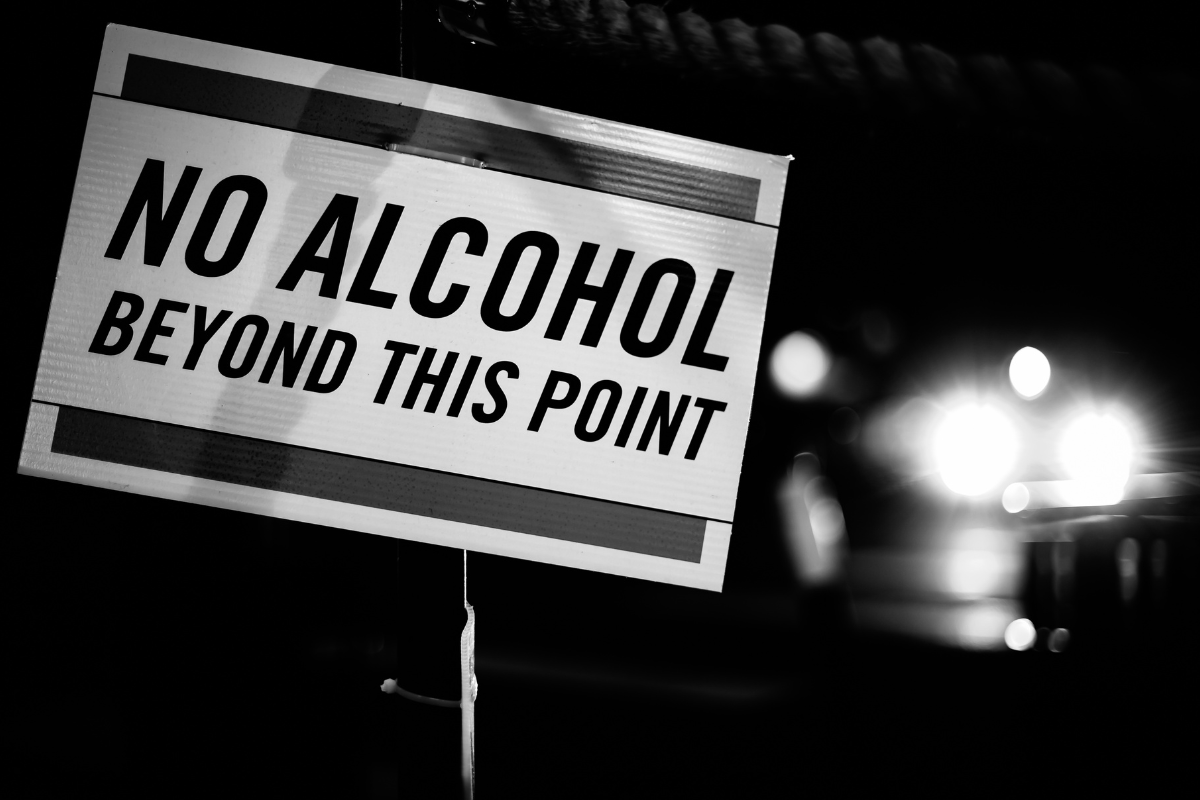
The no-alcohol wine debate generates far more noise than its actual market share justifies. Drawing on Andy Neather’s analysis published on Tim Atkin MW’s blog, this article argues that no-alcohol wines remain a niche industrial product, culturally and economically distinct from real wine — and that the sector would do better to focus on its genuine identity rather than chasing false threats.
Andy Neather’s comment published on Tim Atkin MW’s blog — titled “The Curse Of Low And No Alcohol Wine“ — strikes me as one of the most clear-headed and candid contributions to appear recently on the subject of no-alcohol wines. Not so much for its deliberately provocative tone, but for the precision with which it describes the real state of affairs, beyond the media hype and the self-serving narratives that today surround the “NoLo” world.
I find myself agreeing with his analysis almost entirely, especially where he highlights an obvious disproportion: on one hand, the near-obsessive attention devoted to no-alcohol products within wine debate; on the other, their actual weight in the market, which remains, and in all likelihood will remain, confined to an ultra-niche. The numbers, when one is willing to look at them without bias, tell a far less revolutionary story than the one so often put forward.
I also struggle to understand the “concerns” expressed by large parts of the wine supply chain, as though no-alcohol represented a systemic or even existential threat. It does not. Not culturally, not economically, and above all not from an identity standpoint. Real wine is tied to territories, agricultural practices, fermentations, long timescales, traditions and cultures. No-alcohol products, by their very nature, belong to a different category: they are industrial, standardised beverages, uprooted from any meaningful agricultural or geographical context.
This does not mean denying these products the right to exist, nor ignoring the needs of those who, by choice or necessity, do not consume alcohol. But it is equally legitimate to state that no-alcohol wine is not wine, just as a sparkling herbal infusion or a flavoured soft drink is not. Conflating the two, as so often happens, helps no one: not wine producers, not consumers, and certainly not the cultural debate.
The discussion around low-alcohol wines is different, and more complex, it deserves less ideological and more technical evaluation: here, agronomic choices, styles, ripening, climates and a genuine engagement with shifting consumer habits all come into play. But this is a separate subject, one that cannot be flattened into the rhetoric of “everything without.”
The merit of Neather’s piece lies precisely in restoring order: in reminding us that not everything described as a “new paradigm” truly is one, and that wine would do well to examine itself without seeking false enemies. The risk, otherwise, is that of taking too seriously a phenomenon which, however noisy, remains marginal, and of losing sight of what makes wine worth defending.
Key points
- No-alcohol wines are a marginal niche, not the market revolution media coverage suggests
- The wine industry’s fears about no-alcohol products are largely disproportionate and unfounded
- No-alcohol wine is not wine: it is an industrial, standardised beverage with no agricultural or geographical roots
- Low-alcohol wines deserve a separate, more nuanced and technical discussion
- Wine’s strength lies in its identity, territory and tradition, not in competing with industrial substitutes