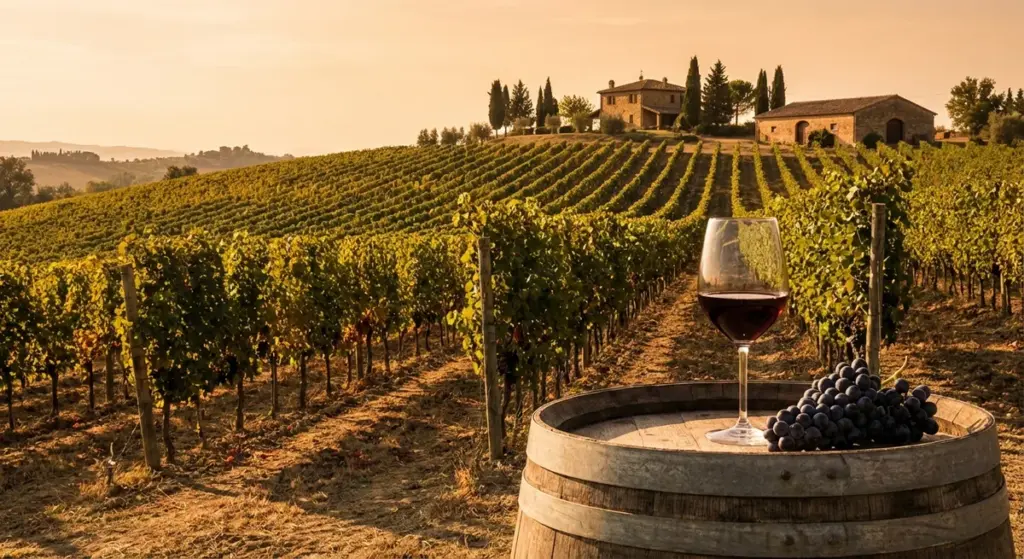
Italian wine tourism remains underused due to skepticism, poor hospitality culture, and red tape. Yet it offers unmatched opportunities to build loyalty, diversify revenue, and reconnect with consumers. This article is a call to action for wineries to embrace enotourism as a strategic business—not a side activity.
Wine tourism in Italy is still seen as marginal, despite its strategic potential for the wine sector. Skepticism, lack of hospitality culture, and bureaucratic obstacles are slowing its development. It’s time to shift our mindset, invest in training, and create memorable experiences that build a direct relationship with the consumer.
How many times have we at Wine Meridian been told that wine tourism is a secondary activity for Italian wineries? That yes, it can contribute, but will never be a strategic pillar?
And how many times has our commitment to this sector been criticized, as if we were generating false expectations? Too many.
We at Wine Meridian have been investing in wine tourism for years, firmly believing in its potential. Yet we are still surprised to see so much skepticism around this sector. It is precisely this skepticism that prevents us from maximizing the extraordinary opportunities that wine tourism can offer Italian wineries.
Wine tourism may be the only real opportunity to reconnect with consumers in a market that is increasingly distant and disinterested in wine.
Why wine tourism is an essential asset
Today, many companies still see exports as the only strategic path for their future. But in a market where wine consumption is declining and especially losing appeal among younger generations, thinking wine will sell itself is a dangerous illusion.
Wine tourism offers a direct connection with the consumer, a unique opportunity to:
- Build loyalty through immersive and engaging experiences.
- Generate upselling and cross-selling opportunities directly at the winery.
- Educate consumers on wine’s real value and explain why proper pricing is essential.
- Diversify income in a time of market transformation.
- Create a positive impact on the surrounding territory through synergies with other tourism and food players.
Given all this, how can anyone still claim that wine tourism is marginal?
Why Italian wine tourism isn’t taking off
Despite these benefits, the sector still struggles to take off. Why? Mainly for three reasons:
- Skepticism and fear of investment: Many wineries hesitate to invest in human resources for hospitality. Yet, properly structured wine tourism pays off well beyond the initial investment.
- Poor hospitality culture: Wine tourism isn’t just a tasting. It’s a standalone business requiring specific strategies and skills. It needs training, entrepreneurial vision, and a strategic approach.
- Bureaucratic and logistical limits: Regulatory and infrastructure issues hinder wine tourism in some areas. But we must distinguish between what we cannot control and what we can actually change.
A revolution is needed: we must truly believe
We can no longer afford to treat wine tourism as a secondary activity. What we need is a mindset shift among wine entrepreneurs. Stop focusing on what can’t be done and start working on what can.
When we visit a winery abroad, what do we remember most? The wine or the people who welcomed us? On my recent trip to Australia, I tasted extraordinary wines—but what stayed with me were the faces, stories, and hospitality of those who opened their doors.
That’s the true key to wine tourism: to deliver an experience, create a bond, and leave a lasting memory.
So let’s stop hiding behind the usual excuses and start believing in the real value of wine tourism. Let’s change our mindset—only then can we turn it into a strategic pillar for our industry.
Key points
- Italian wine tourism is still underestimated despite clear benefits.
- Skepticism and lack of vision hinder its full development.
- Direct contact with consumers boosts loyalty and education.
- Investment in trained hospitality staff is crucial.
- A change in mindset is essential to unlock its strategic value.