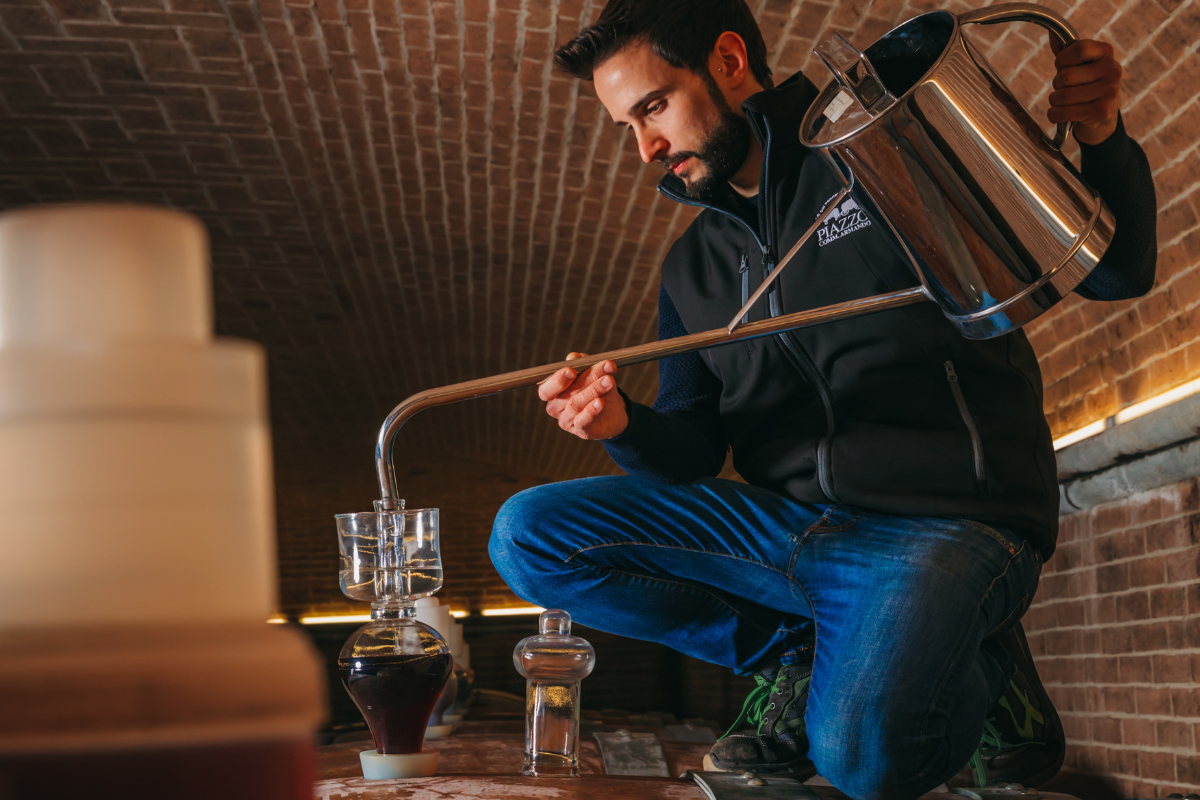
The Langhe region, a historic cradle of Italian winemaking, is home to Piazzo Winery, a producer deeply committed to both tradition and innovation. With 74 hectares of vineyards, including significant plantings of Nebbiolo for Barbaresco and Barolo, the winery has embraced evolving consumer preferences while maintaining authenticity. Sustainability is at the core of their philosophy, with integrated farming, renewable energy investments, and vineyard innovations.
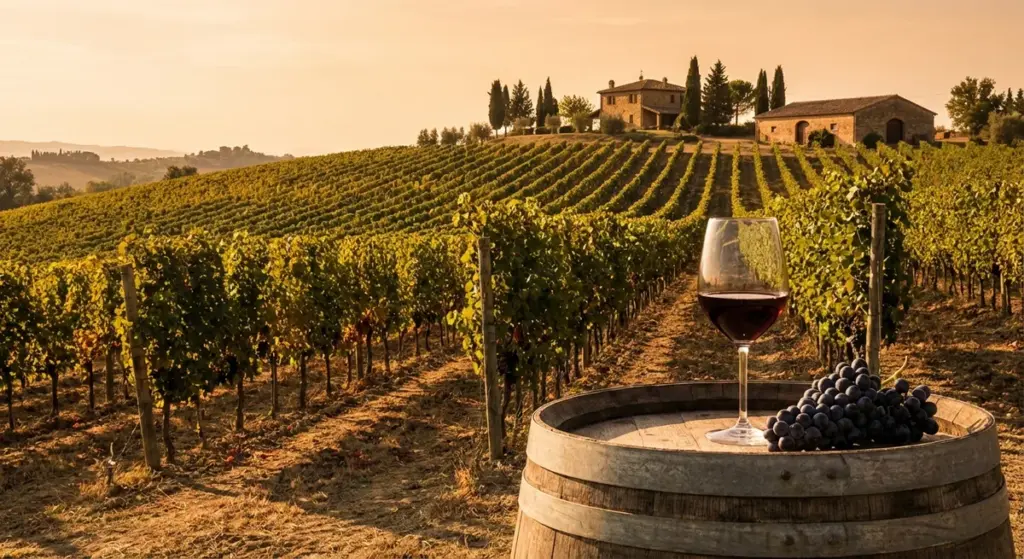
Langhe region is one of Italy’s historical wine cradles, a land where tradition and innovation merge to keep its winemaking identity alive. Within this landscape, the story of Piazzo winery unfolds as a journey of growth and experimentation, deeply intertwined with Nebbiolo and its most renowned territories. Piazzo’s history celebrates tradition, innovation, and the unique terroir of the Langhe. Today, out of the 74 hectares owned by the winery, 35 are dedicated to Barbaresco and Barolo, along with additional Nebbiolo plantings. The remaining vineyards are devoted to other native varieties such as Dolcetto, Barbera, and Moscato, complemented by small plots of Chardonnay and Pinot Noir.
This approach reflects Piazzo’s commitment to evolving with consumer preferences. “Twenty years ago, the focus was on power, structure, and longevity in Langhe wines. Today, while remaining true to tradition, we have expanded our range with more balsamic, elegant wines—immediate and drinkable without compromising longevity. Our new direction is about experimenting with vinification methods that enhance the individual characteristics of each cru and vineyard plot,” explains Simone Piazzo.
A New Winemaking Approach
Beyond its Nebbiolo-based wines, Piazzo now boasts a broad and diverse range of typical wines, capitalizing on this heritage with a portfolio of 18 different labels designed to cater to a variety of consumer preferences.
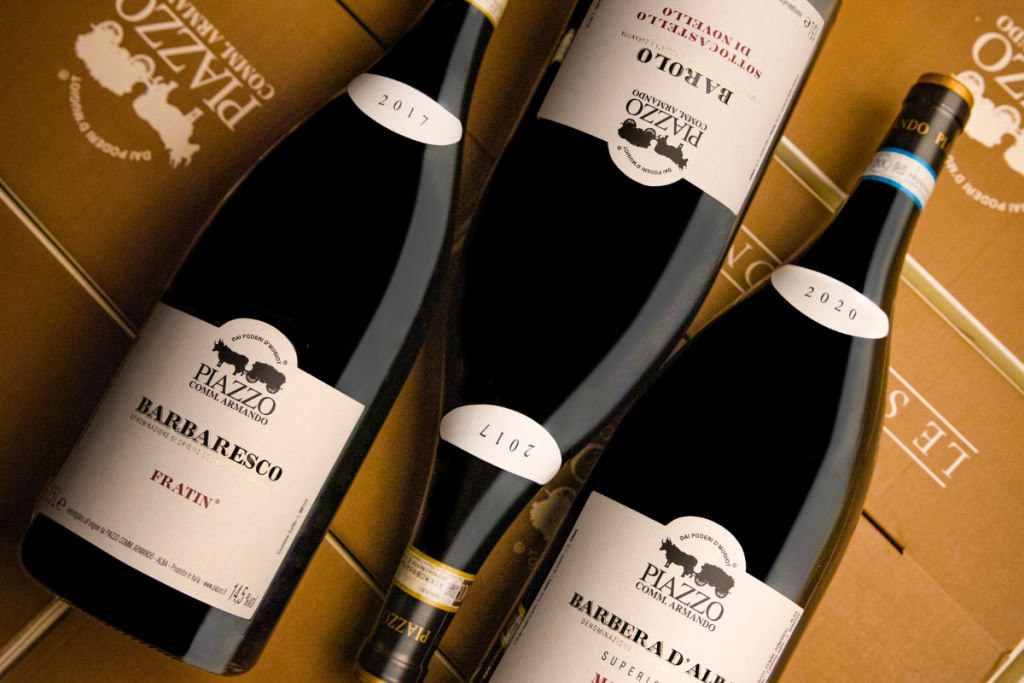
The first major distinction within their production lies between wines crafted from vines’ blends and those made from single-vineyard selections and cru sites. For the blended wines, the unique characteristics of each vineyard are carefully considered to create a balanced, refined wine designed for immediate, effortless enjoyment. This approach maintains the right structure, complexity, and authenticity. “In the collective imagination, Barbaresco and Barolo are perceived as important, long-aging wines, often reserved for special occasions. Through our blends, we aim to offer wines that, while inherently complex, are also fresher and more approachable,” adds Simone Piazzo.
“On the other hand, our Selections line consists of single-vineyard wines. In these wines, we seek greater structure and complexity, catering to consumers already familiar with our region’s wines,” continues Piazzo. This line also includes Le Riserve—Barbaresco and Barolo from exceptional vintages, sourced from older vines, and aged longer. These wines are deep, complex, and sophisticated, appealing to those looking for niche, high-end products.
Sustainability and Innovation in the Vineyard and Cellar
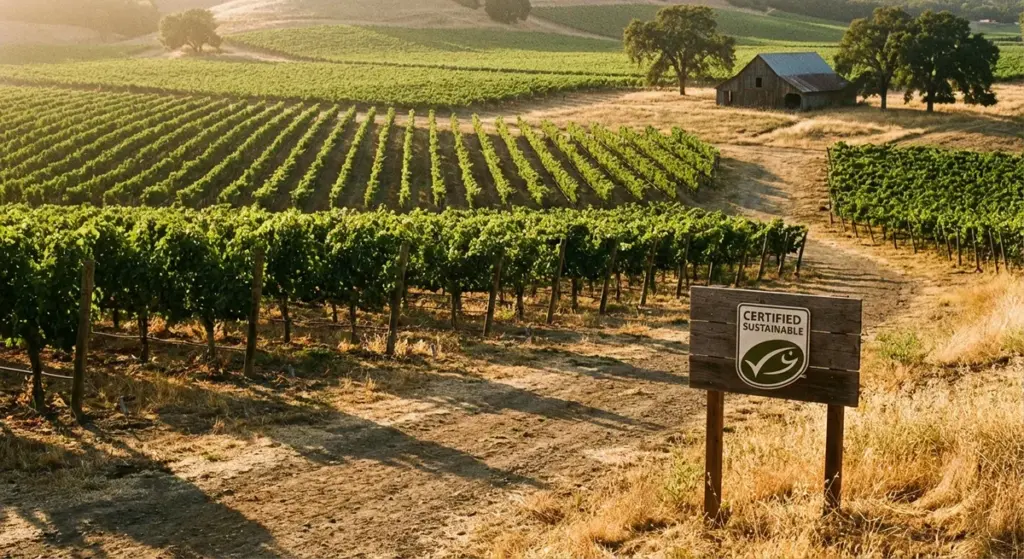
Beyond the enhancement of native grape varieties, sustainability is a cornerstone of Piazzo’s philosophy. “We began by eliminating herbicides, then moved towards integrated farming, which combines organic techniques with minimal use of synthetic products—only when absolutely necessary,” says Simone Piazzo. “It’s similar to a person maintaining a healthy lifestyle and using medicine only when truly essential.”
This sustainable approach extends beyond the vineyards to the winery itself, with investments in renewable energy. “We are integrating renewable energy systems—including geothermal and solar power—into our new production spaces. At the same time, we are experimenting with vineyard management techniques that further reduce our environmental impact,” Piazzo highlights.
Moreover, the company is testing new techniques, from PiWi (fungus-resistant grape varieties) and vineyard cover cropping to the use of drones and innovative machinery that optimize resource consumption. “Only by working on multiple fronts can we bring about real improvements, ensuring a sustainable future for our land.”
Looking to the Future While Honoring Tradition
Piazzo Winery stands as a model of balance between past and future. While firmly rooted in Nebbiolo tradition, it embraces innovation in both production and sustainability. “Our goal is to enhance the value of our territory, continuing to experiment while always staying true to the identity that has shaped who we are today,” concludes Simone Piazzo. A commitment that pays tribute to Langhe and its extraordinary winemaking heritage.


Key Points
- Vision for the Future – Committed to both tradition and innovation, Piazzo Winery continues to enhance its regional identity through sustainable practices and experimental winemaking.
- Tradition and Evolution – Piazzo Winery is rooted in the Langhe’s Nebbiolo heritage but adapts to modern consumer tastes by producing both structured, long-aging wines and more approachable, elegant options.
- Winemaking Philosophy – The winery differentiates between blended wines, crafted for balance and drinkability, and single-vineyard selections, offering greater complexity and depth.
- Sustainability Efforts – Piazzo prioritizes environmentally conscious practices by eliminating herbicides, adopting integrated farming, and using minimal synthetic inputs.
- Innovation in the Vineyard and Cellar – Investments in geothermal and solar energy, as well as advanced vineyard management techniques like PiWi varieties, drones, and precision farming, ensure a lower environmental footprint.