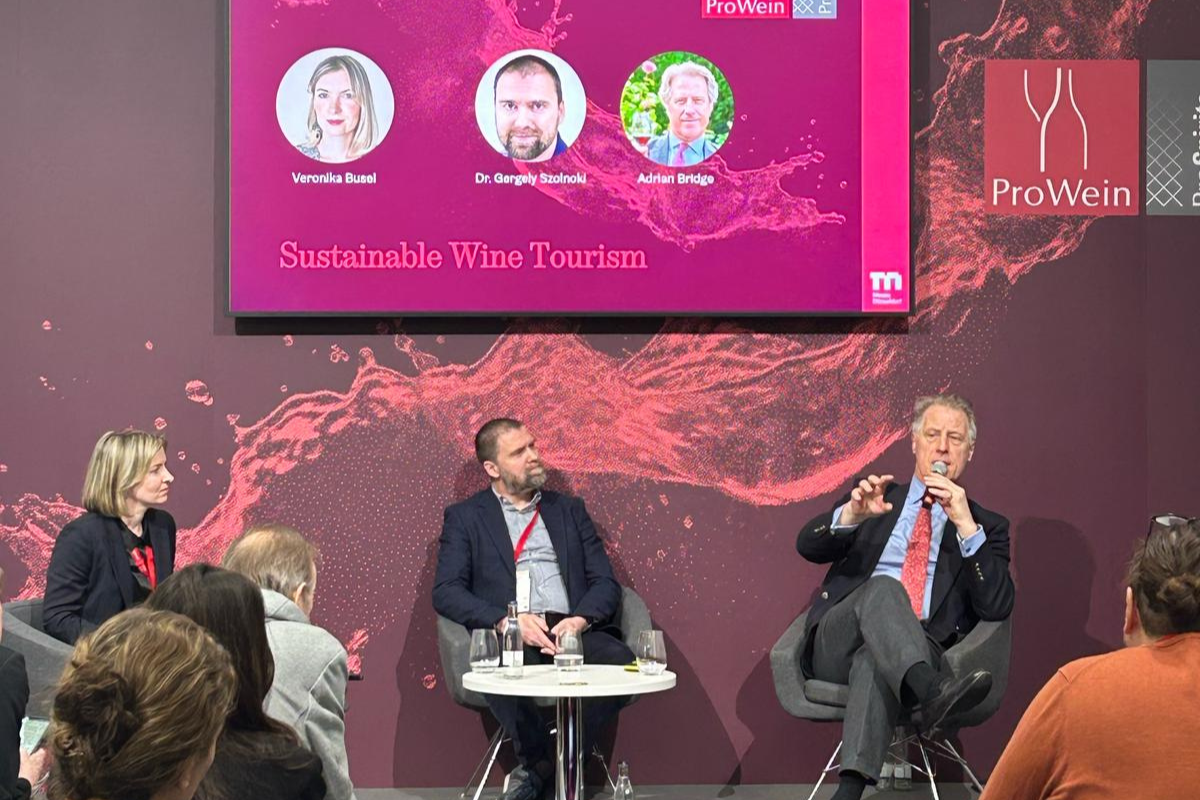
At ProWein 2025, wine tourism was acknowledged as a global strategic pillar. Experts emphasized its evolution from hospitality to a key branding and commercial tool. Focus areas include promoting the territory first, communicating effectively with general tourists, and prioritizing sustainability and wellness—crucial for attracting new generations and expanding audience reach.
These past few days we’ve been attending ProWein in Düsseldorf, a must-attend event for anyone in the wine industry. And of course, we took the chance to explore international insights on wine tourism. At the fair’s Business Forum, numerous conferences addressed the most current themes in the sector, including the evolution of wine tourism and the communication strategies needed to attract new generations, especially Gen Z.
We were struck by how wine tourism was once again recognized as a fundamental strategic asset for wine businesses across the world. It’s not just about hospitality: wine tourism is a branding tool and a growingly effective commercial lever for direct sales.
Among the most engaging contributions, we followed with interest the presentation by Prof. Dr. Gergely Szolnoki from Geisenheim University (Europe), who shared key insights on how to rethink wine tourism with a broader, more strategic vision. Three core concepts stood out:
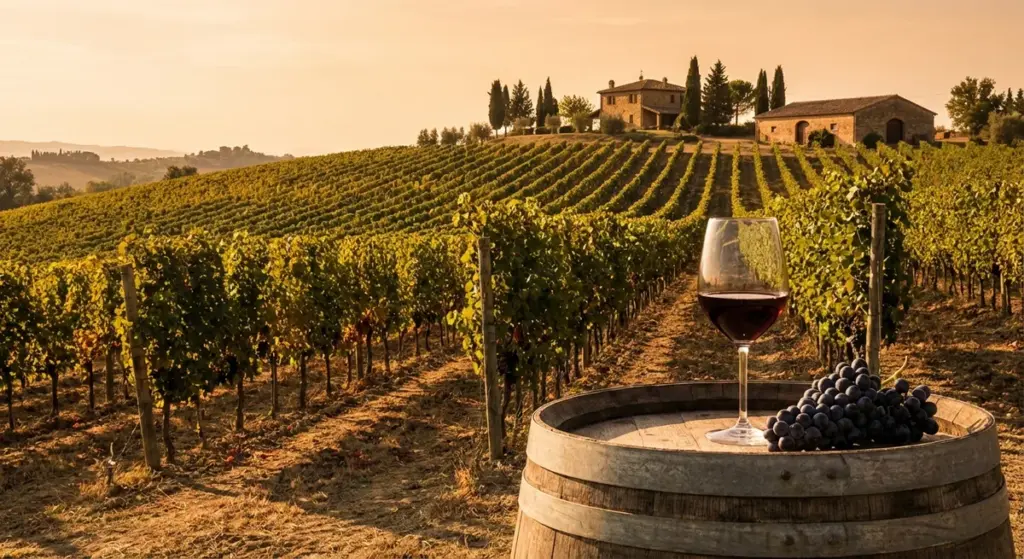
Wine alone is not enough. When it comes to wine tourism, the main character is the territory. Wineries must learn to first sell the context in which they operate, then their brand, and finally their wine. Reversing this logic means missing opportunities.
We must see our visitor as a tourist before considering them a wine tourist. There is a much broader potential audience to reach—those who are in the region for other reasons and might also be drawn to a winery experience. To engage these new segments, wineries need to adopt different languages and adapt their communication.
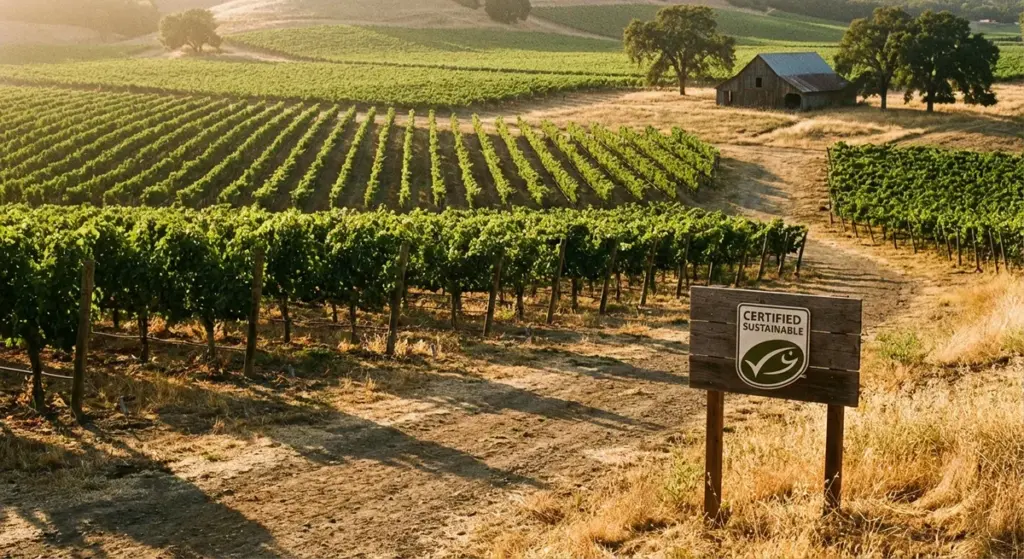
Health, wellbeing, and sustainability at the center. If wellness and health are priorities for the wine consumers of the future, so is sustainability, both environmental and economic. The conference highlighted how these elements are no longer mere added values but actual drivers for visitor choice. Wineries must develop innovative strategies to attract new guests, effectively communicating their commitment in these areas.
ProWein is clearly showing us that wine tourism is no longer a niche, but a key part of the global wine business strategy. Those who best understand and interpret this evolution—by identifying trends and adapting their messaging—will gain a significant competitive advantage.
Key points
- Wine tourism is a strategic branding and sales tool globally.
- Wineries must promote the territory first, then their brand.
- Communication must target general tourists, not just wine lovers.
- Sustainability and wellness are key drivers for visitors.
- Wine tourism is no longer niche, but mainstream strategy.