Sam Neill, the Jurassic Park star who died on 13 July in Sydney at 78, spent thirty years as a Pinot Noir producer in Central Otago. Known as “The Proprietor” at Two Paddocks, he banned cork, certified his vineyards organic, stayed skeptical about natural wine and opposed a gold mine near his land.
Sam Neill, who died last 13 July in Sydney at the age of 78, planted two hectares of vines in 1993, the same year in which Dr. Alan Grant of Jurassic Park made him a global star. While Hollywood celebrated him, he was planting Pinot Noir in the Gibbston Valley, in New Zealand. Two Paddocks was born this way, growing to include four distinct vineyards in Central Otago: the original First Paddock, Red Bank, The Fusilier and The Last Chance, his favorite, the latest to ripen, surrounded by wild thyme.
He was never a celebrity winemaker in the modern sense of the term. At New Zealand’s Pinot Noir conferences he was simply “The Proprietor”: he poured his wines himself, without fuss, with the quiet pride of someone who has walked the same rows for thirty years. “I wanted to produce the best wine in the world, essentially, and I think I am getting close to it,” he said in the Drinks Trade article, Vale Sir Sam Neill: Actor, Vigneron and Champion of Central Otago Pinot Noir.
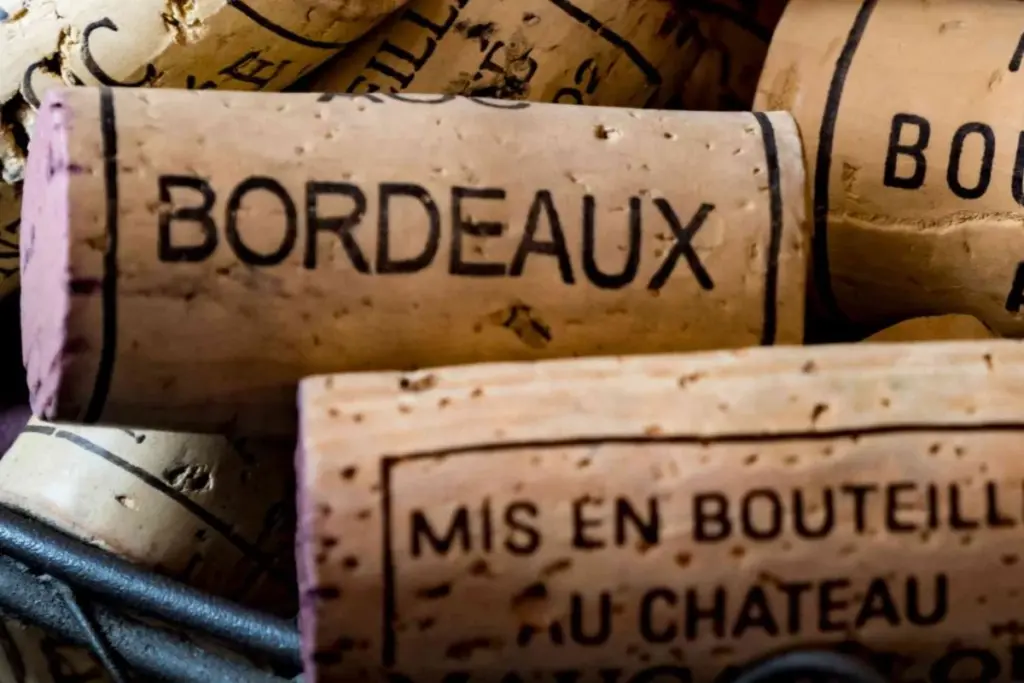
If there was one subject on which Neill allowed no half measures, however, it was cork. In 1999 he lost 25% of production because of moldy corks. Since then, never cork again: only screw caps, which he considered, in his words, “clever things” (Sam Neill: “Wine is one of the great keys to civilisation”). He had no faith in the romanticization of the traditional cork, since for him a ruined bottle held nothing romantic.
On natural wine, by contrast, his position will surprise those who expect the classic new age enthusiasm of an organic producer. Indeed, Neill was a convinced organic grower, with all four vineyards certified since 2017 and the declaration that he could not have lived with himself otherwise, but on natural wine he remained skeptical.
He produced a small quantity for the members’ club, because of the demand that existed, but did not fully approve of it: he recalled that the addition of sulfur, three thousand years ago, was an achievement of humanity, not a flaw to be corrected by going back in time.
He had no shortage of curiosity, though. From two lots born on the same plot of the Fusilier vineyard, one natural, one conventional, he obtained two “completely different” wines, as if they had grown in soils kilometers apart, even though they came from the same grapes, he had told Wine Enthusiast, Actor Sam Neill Changed New Zealand Wine Forever. His was a philosophy of consumption that can be summed up in a few words: drink less, but better.
There is, however, a chapter of his life as a vigneron that left the wine pages and ended up in the international news. In 2026, Neill took a public stand against Bendigo-Ophir, a gold mine that the mining company Santana Minerals proposed to open a few kilometers from his vineyard, in the heart of Central Otago. It was a battle against that mine, in that place, he specified several times, rather than against mining itself.
“I own the land, but I am not an owner of the land,” said Neill, invoking the Māori concept of kaitiakitanga, being guardians of the land for future generations (The Guardian, ‘That’ll be the end’: actor Sam Neill joins fight to stop controversial goldmine near his New Zealand vineyard). The land, for him, was part of himself, and with this bond came a responsibility: to leave it better than he had found it.
Those who knew him only through the screen will remember him forever as cinema’s most famous paleontologist. But for those who work in wine, Sam Neill was above all this: a man who, when he could choose between the red carpet and the rows of Central Otago, always chose the rows.
Key points
- Sam Neill died on 13 July in Sydney at 78, after thirty years as a winemaker.
- Two Paddocks grew from two hectares planted in 1993 to four vineyards in Central Otago.
- Screw caps only after a 1999 cork taint cost him 25% of production.
- All four vineyards have been certified organic since 2017, while he stayed skeptical about natural wine.
- Opposition to Bendigo-Ophir: he fought the proposed gold mine near his vineyard as a guardian of the land.