The wine industry is failing to connect with Gen Z not because they dislike wine, but because of a lack of social occasions to enjoy it. To bridge this gap, producers must move beyond technical talk and use wine tourism to create authentic, experience-driven events that foster community, relaxation, and genuine connection.
It’s not a paradox. It’s a strategy. If you really want to win over Generation Z, you have to start with what comes before the glass: the experience, the context, the social aspect. The real barrier today is not the wine but the absence of moments to drink it together. Here is the first piece of data to focus on: wine is about community, but young people today are gathering less and less.
The real problem? Young people no longer meet up
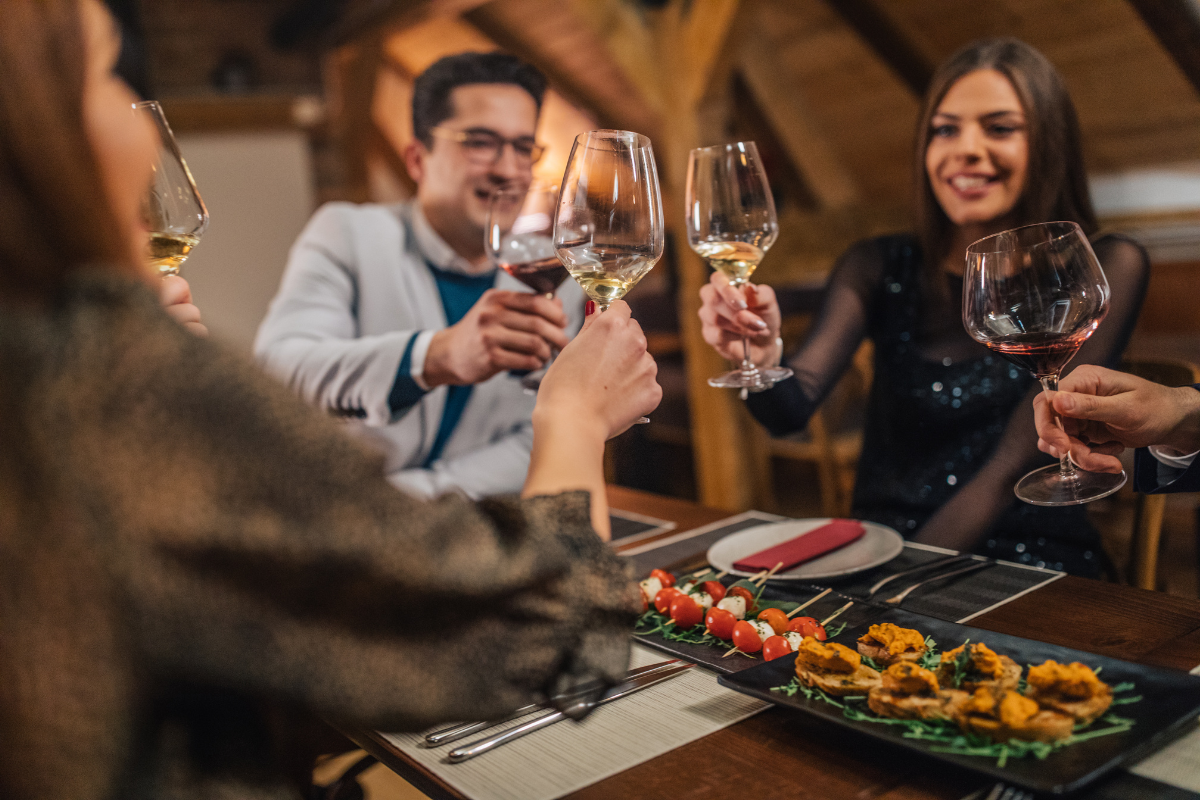
It seems absurd, but it’s true. Today’s twenty-somethings spend hours on chats and social media, but they see each other less, get together less, and share fewer real moments. And if there’s no occasion, there’s no occasion for wine. It’s like having a beautiful piano, but no one who wants to play it.
So maybe we need to change our perspective. Let’s stop asking “why don’t they drink wine?” and instead ask, “what can we do to create opportunities for meeting that make drinking wine natural?”
Wine tourism is our secret weapon
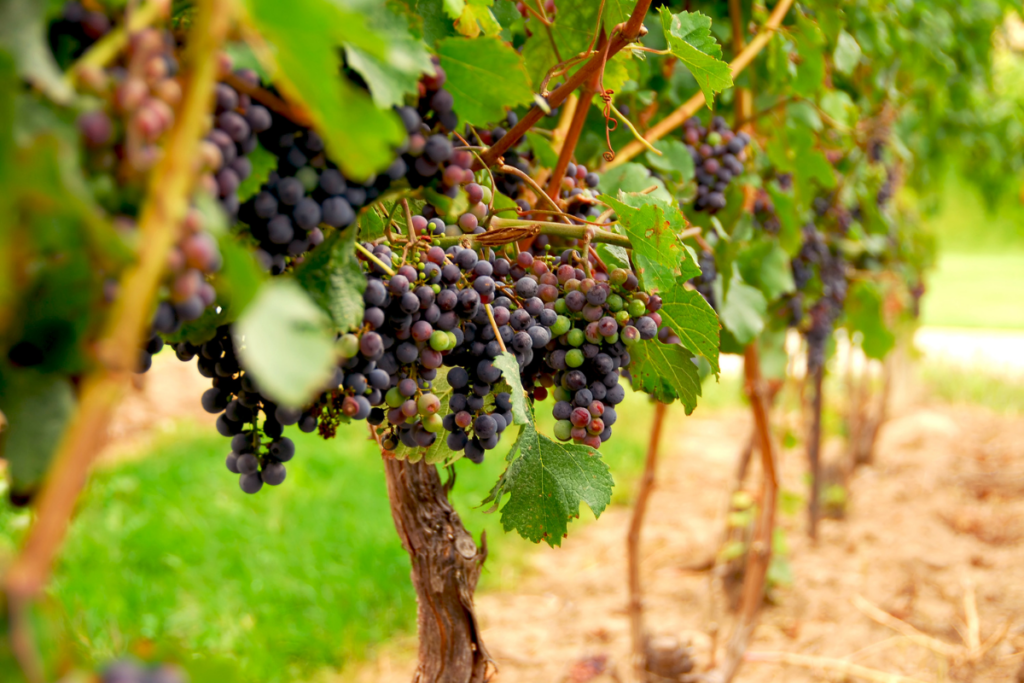
Yes, wine tourism can be the most effective bridge between wine and young people. Because it encapsulates exactly what they are looking for: experiences, relaxed contexts, contact with nature, and authenticity. It’s an excuse to be together, but also to learn, discover, and have fun.
We have also seen this in the data collected by our students on campuses and in training courses: when young people are asked what they think of wine, the first words that emerge are “sharing,” “nature,” and “relaxation.” Everything that wine tourism can powerfully offer.
Read also: Generation Z and wine: the silent breakup we can no longer ignore
Wine is perceived as snobbish. And often, it has been
There is a cultural problem, however, that needs to be addressed. Many young people see wine as an elitist, difficult product for experts. And this perception does not come from nowhere. It is the result of decades of self-referential, technical, and at times even judgmental communication.
So, if we truly want to welcome young people, we must tear down this wall. Enough with complicated language, enough with tastings conducted with words that block rather than connect. A radical change is needed: more emotion, less presumption. More listening, less explaining.
We must become creators of occasions, not just producers of wine
This is the mission, or rather: the cultural revolution that awaits us. If we want to intercept Gen Z, we must act in our own small way, creating events, formats, content, and ideas that encourage community.
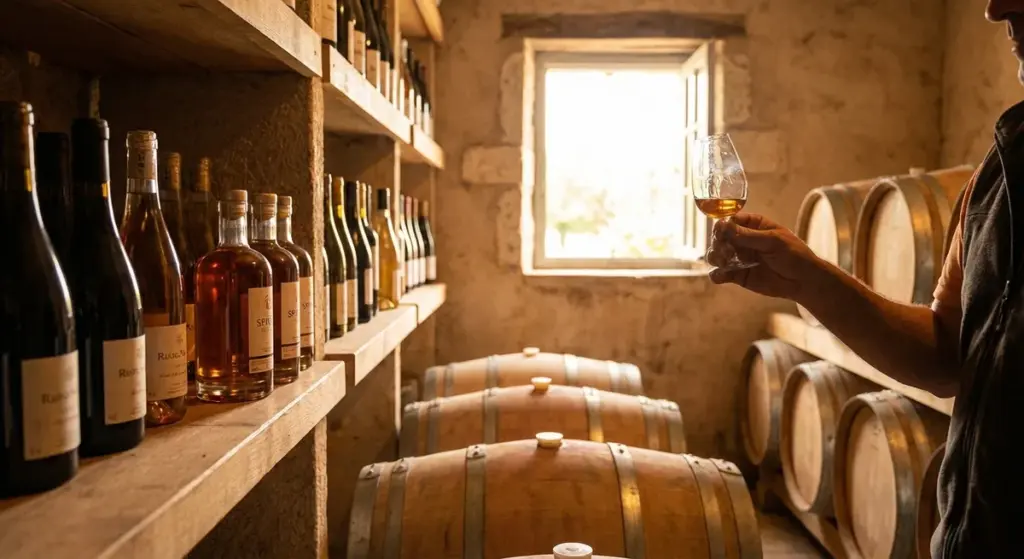
It could be a chill evening at the winery with music and gourmet sandwiches. A treasure hunt in the vineyard. A picnic with an informal tasting. A mini-festival with talks, art, wine, and creativity. You don’t need big budgets: you need vision and the will to change.
There is only one real question: what can I do, right here, right now?
Key points
- Young people seek social experiences, not technical wine lessons.
- Wine tourism is the most effective tool to engage Gen Z.
- The perception of wine as elitist is a significant barrier.
- Wineries must become creators of social occasions.
- Focus on emotion, connection, and authenticity to attract youth.