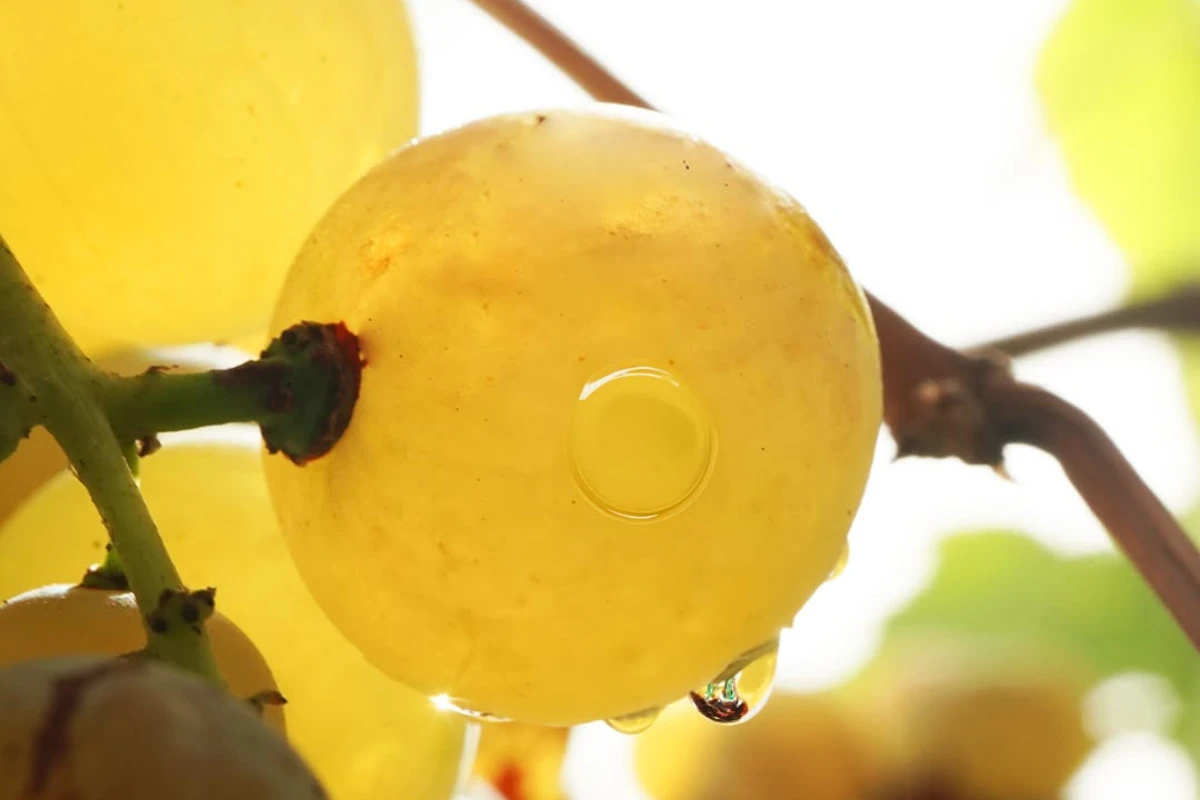
Sicily has certified nearly half its vineyards organic, a figure favored more by climate than effort. Cantine Birgi, based in the Stagnone Nature Reserve, argues that genuine sustainability requires consistency across the entire supply chain, from soil to storytelling to pricing, rather than a label alone.
The word organic has become, over the past few years, a marketing tool even before being an agronomic choice. Supermarket shelves are full of bottles bearing the word “bio” in large, colorful letters, without there necessarily being a coherent vision behind it of what it means to produce responsibly. The consumer, rightly, has become more skeptical. And this skepticism ends up penalizing even those who work seriously on organic production.
In Sicily the picture is peculiar. The region has almost half of its vineyard surface certified organic or sustainable, an extremely high proportion, hardly comparable to other Italian regions. But this figure, in itself, says nothing about the quality of the path that led to that certification. It only says that the island’s climatic and pedological conditions make organic viticulture relatively less costly than elsewhere: less rain, less humidity, less fungal pressure, fewer treatments needed.
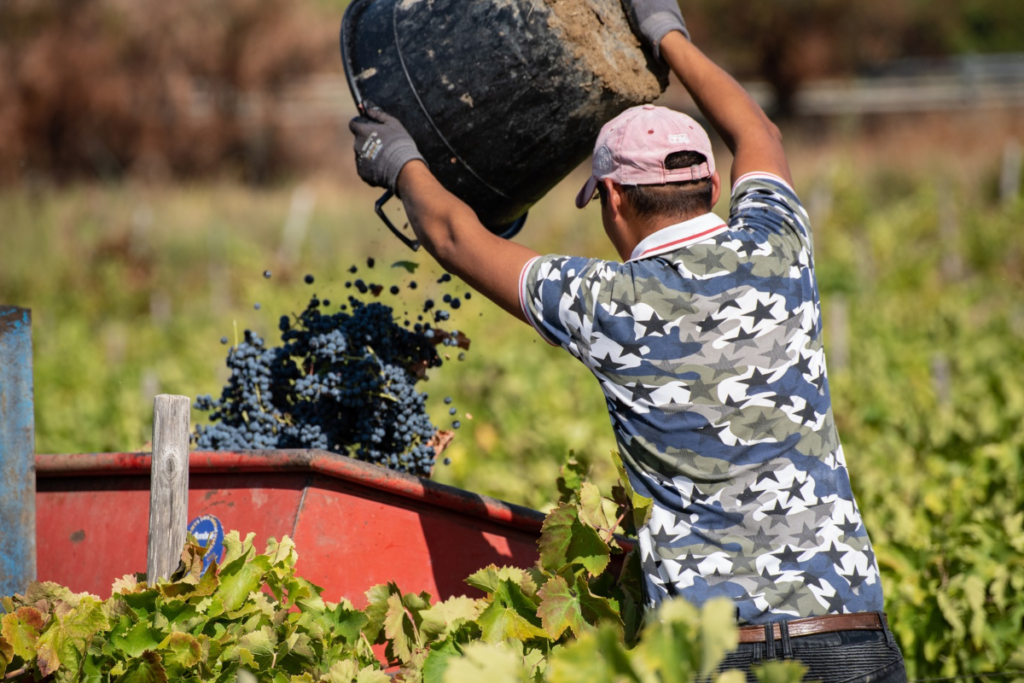
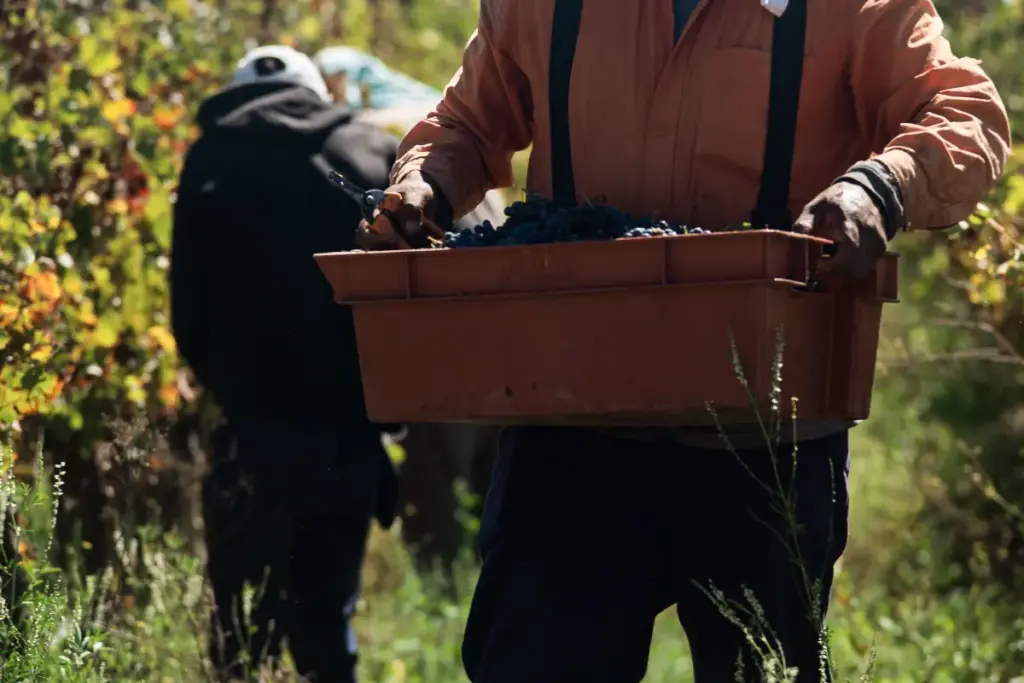
Cantine Birgi starts from this natural advantage and deepens it. In the area of the Stagnone Nature Reserve, the biological richness of the soil, populated by a complex microbial community, favored by the absence of chemical treatments, contributes directly to the quality of the grapes. Soils rich in cations nourish the vines without the need for artificial supplementation. The constant wind naturally dries the bunches. These are not theories: this is what happens every season.
The real challenge of sustainability, however, is not in the fields. It is in the consistency of the entire supply chain: from the vineyards to the winery, from the winery to communication, from communication to price. An organic wine sold at mass distribution prices, without the producer being able to recoup the cost of sustainable practices, is not a system that holds up over time. And a sustainable wine described with generic language, full of good intentions and empty of concrete information, does not build trust.
Cantine Birgi‘s response is territorial storytelling: not narrating sustainability as an abstract value, but showing it, the soils, the microclimates, the cultivation choices, the reduced yields, the verifiable certifications. Making it clear that every bottle is the result of a chain of concrete decisions, not of statements of principle. It is the difference between sustainability as certification and sustainability as corporate culture. And the latter is the most difficult to achieve.
Key points
- Sicily’s organic certification rate is high largely because of favorable climate conditions, not unique winemaking effort.
- A certification alone says little about the quality and coherence of the path behind it.
- The Stagnone Nature Reserve’s microbial soil and constant wind give Cantine Birgi a natural production advantage.
- Real sustainability depends on consistency across the supply chain, from vineyard to price point.
- Cantine Birgi builds trust through territorial storytelling rather than abstract sustainability claims.