The Langhe, narrated through three generations of the Piazzo family, is evolving while honoring tradition. Simone Allario Piazzo reveals the company’s philosophy, a shift in production paradigms, and a vision to make wine more accessible. With emerging markets, innovative communication strategies, and the dedication of the third generation, the future is full of challenges and opportunities.
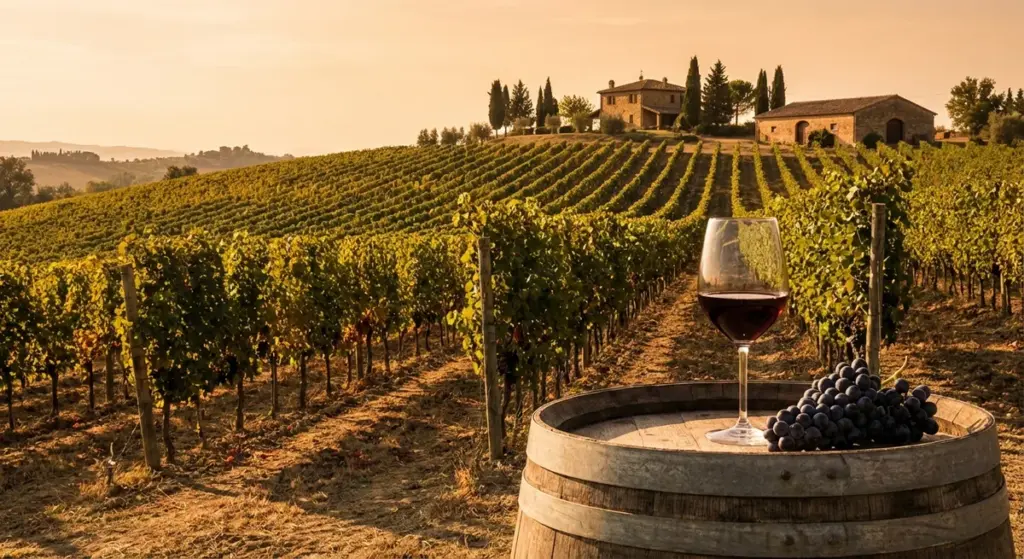
Telling the story of the Langhe in all its facets has been the common thread linking three generations of the Piazzo family. It all began in the 1960s when newlyweds Armando Piazzo and Gemma Veglia chose to invest in the small hamlet of San Rocco Seno d’Elvio, part of the municipality of Alba. At the time, this region was not yet as renowned for its wine and culinary excellence as it is today.
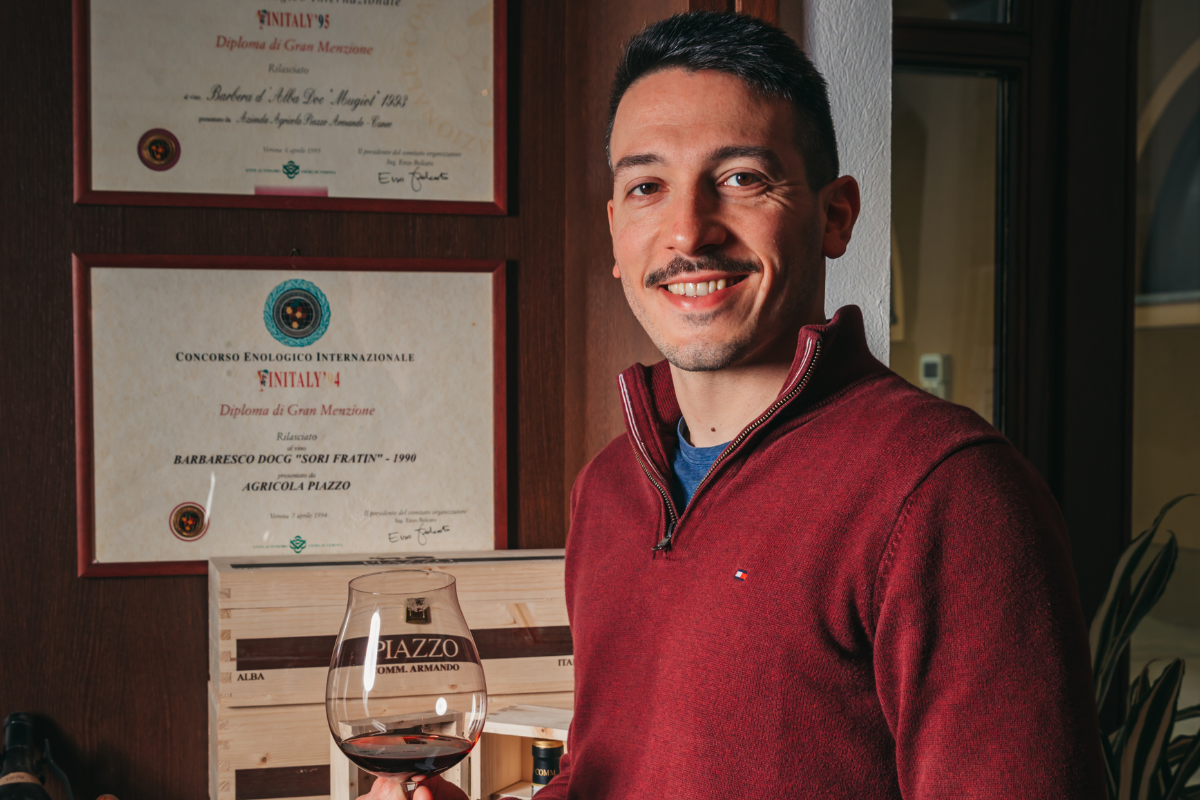
Now, the family’s third generation—represented by Simone and Marco Piazzo—runs the business alongside their parents, Marina and Franco. Together, they embody the changes that have taken place over the past 60 years while recognizing that the wine world needs a paradigm shift. We discussed these changes with Simone Allario Piazzo, Sales and Marketing Manager, to understand the direction this family-run winery is taking.
What is the philosophy behind your winery?
Our philosophy remains true to the vision of our founders—my grandparents. It is rooted in the desire to convey the essence of the Langhe through everything we do, from the way we craft our wines to how we communicate them worldwide.
Originally, the focus was on producing Barbaresco and Nebbiolo di Langa. Today, of our 74 hectares, 35 are dedicated to Barbaresco and Barolo, alongside Nebbiolo, Dolcetto, Barbera, and Moscato. We also cultivate small plots of Chardonnay and Pinot noir. This demonstrates how our roots remain firmly planted in tradition while we break away from the mindset of “this is how it’s always been done.”
Looking back, our winery has evolved in response to historical changes and shifts in consumer preferences. We aim to understand these changes and anticipate trends, which keeps us excited and motivated to improve continually.
What direction are you taking in production choices?
Our new approach focuses on experimenting with vinification methods that uniquely highlight individual crus and plots. Over the past few years, we’ve created wines that would have been challenging for consumers to understand two decades ago. Back then, Langhe wines—and many others—were expected to deliver power, austerity, and longevity.
Today, while we continue to produce traditional wines in that style, we’ve expanded our portfolio with balsamic, refined wines that are enjoyable in the short term without sacrificing aging potential.
The Langhe is not a monolith—each plot delivers unique results. We aim to offer wines that honor tradition while also making them more approachable, challenging the excessive pretentiousness often associated with the wine world.
What do you mean by that?
Fifty years ago, wine was for everyone. Then, communication elevated it, presenting it as elegant and refined. Today, we’ve gone too far in the other direction—wine has become boring, pompous, and overly technical.
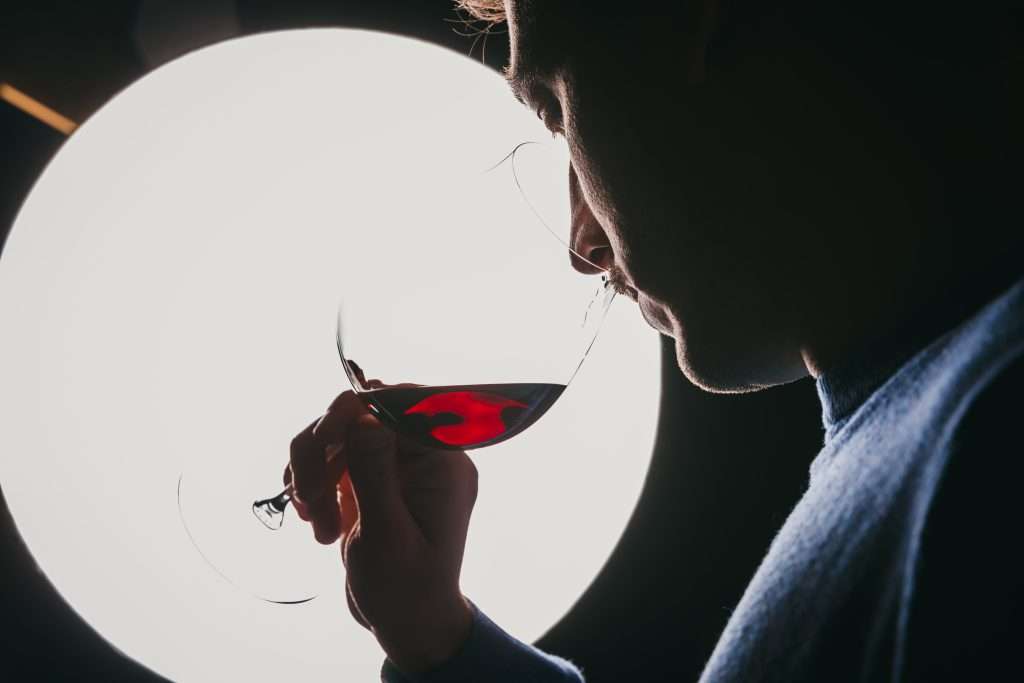
Most consumers enjoy wine simply for the pleasure of drinking it; they don’t want to be overwhelmed with jargon. We need to bring wine back into daily life. Of course, experts, sommeliers, and technicians play an important role, but there’s also a large base of casual consumers who drink for enjoyment. We must find ways to keep them engaged and avoid alienating them.
Which markets are most important for your winery today?
We now export to all continents. Langhe wines have carved out a niche, which we aim to maintain, and this has brought great satisfaction.
In terms of new developments, beyond established markets like the U.S. and Northern Europe, 2024 saw us enter South Korea, Ghana, and Macedonia. These new ventures helped us close the year with increased revenue compared to 2023. Personally, I see great potential in Eastern Europe and the Balkans, where I believe future opportunities lie.
Which wines best represent your identity, and why?
Barbaresco and Barolo are undoubtedly our flagship wines. They lead our portfolio because they are elegant yet not heavy, age-worthy yet also enjoyable when young.
I’d also highlight our sparkling wines. We’ve been investing in niche sparkling wines for 20 years, and with the recent trend shift over the past decade, we’re seeing significant results in this area.
Market data shows declining sales and exports for Italian wines. In your opinion, what are the real causes of this stagnation that few are addressing openly?
The past three years of political and economic turmoil have driven up energy costs. Add to that inflation and geopolitical tensions. During my recent travels, partners consistently expressed concerns about decreased consumer purchasing power. This creates uncertainty for the future, as consumers understandably tighten their budgets.
However, I believe the decline in wine consumption isn’t solely due to these temporary historical circumstances. A large part of the responsibility falls on producers and wine communicators. The key issue is how wine is talked about today. We need to find ways to make it less dull and more engaging.
Many blame the decline on the idea that “young people don’t drink wine.” Is this true, or are we failing to understand new consumption habits?
Dining out today costs more than it used to, and ordering a bottle of wine is even pricier. It’s no surprise that younger generations gravitate toward cheaper and more accessible beverages.
That said, I see this as a natural progression—from other alcoholic drinks to wine. Even some of us, members of the Millennials generation, didn’t primarily drink wine in our twenties. I don’t view this as an insurmountable problem or a looming catastrophe for the future.
What about the new generation of winemakers?
My brother and I represent our family’s third generation, demonstrating how, especially in our region, young people are enthusiastically building on the legacy of previous generations. The Langhe is thriving in this regard, with many wineries evolving their identities thanks to the contributions of younger generations. There’s a strong sense of enthusiasm and a commitment to shaping the future of our businesses.


Key points:
1 The Piazzo Family Philosophy:
The guiding principle of the Piazzo family is to represent the Langhe in all its nuances, firmly rooted in tradition while embracing innovation.
2 Product Evolution:
Experimentation with single crus and an expanded portfolio includes traditional wines and new, more accessible offerings to meet the demands of an evolving market.
3 Emerging Markets:
Beyond established markets like the USA and Northern Europe, the company has recently initiated collaborations in South Korea, Ghana, and Macedonia, furthering its global presence.
4 Wine Communication:
A focus on making wine more accessible and less elitist, avoiding overly technical jargon to engage a broader audience without compromising quality.
5 New Generations and the Future:
The third generation, led by Simone and Marco Piazzo, brings enthusiasm and innovation, enhancing the identity and growth of Langhe’s wineries.