In this article, the lead editor responds to recent health-related claims about wine, rejecting the obsession with health at all costs. He advocates for discussing wine in terms of pleasure and culture, defending the right to enjoy a glass without guilt.
I admit it, I had promised myself not to talk about this anymore. I told myself: “Fabio, stop with the wine and health topic. It ruins your mood and, worse, it’s pointless.” Yet here I am again, compelled to speak out after the latest statements from Professor Silvio Garattini (Founder and President of the Mario Negri Institute for Pharmacological Research IRCCS) in response to Minister Lollobrigida’s remarks.
I’m back at it, despite my intention to stay silent, because this debate keeps dragging us in.
A well-worn script, repeating with almost liturgical regularity: someone says something positive about wine—maybe poorly worded or exaggerated—and, predictably, the health-focused front lashes out. A front that, increasingly, seems to have a single goal: to criminalize wine, to demonize those who produce it, drink it, or talk about it. To turn a millenary cultural heritage into a vice to be repressed.
This recurring attack turns wine from a cultural treasure into something shameful.
Well, personally, I’m done with it.
Yes, I respect those who research and seriously work in public health. I’m not interested in ideological crusades or denialism—on the contrary. But at some point, we need to say it clearly: wine is not a medicine, but it’s not poison either. It’s pleasure, it’s culture, it’s sharing. And continuing to shove wine into health logic, into nutritional charts and risk algorithms, means stripping it of its essence.
Reducing wine to a health issue strips it of its true cultural and emotional value.
We’ve reached a point where it feels like you have to justify raising a glass at dinner, as if it were an act of rebellion. As if one bottle on the table could endanger humanity’s health. Do we really think wine is the problem? Are we so off target that we can’t see how this obsessive health rhetoric risks undermining another essential good: our freedom?
Obsessive health rhetoric threatens a fundamental value: our freedom.
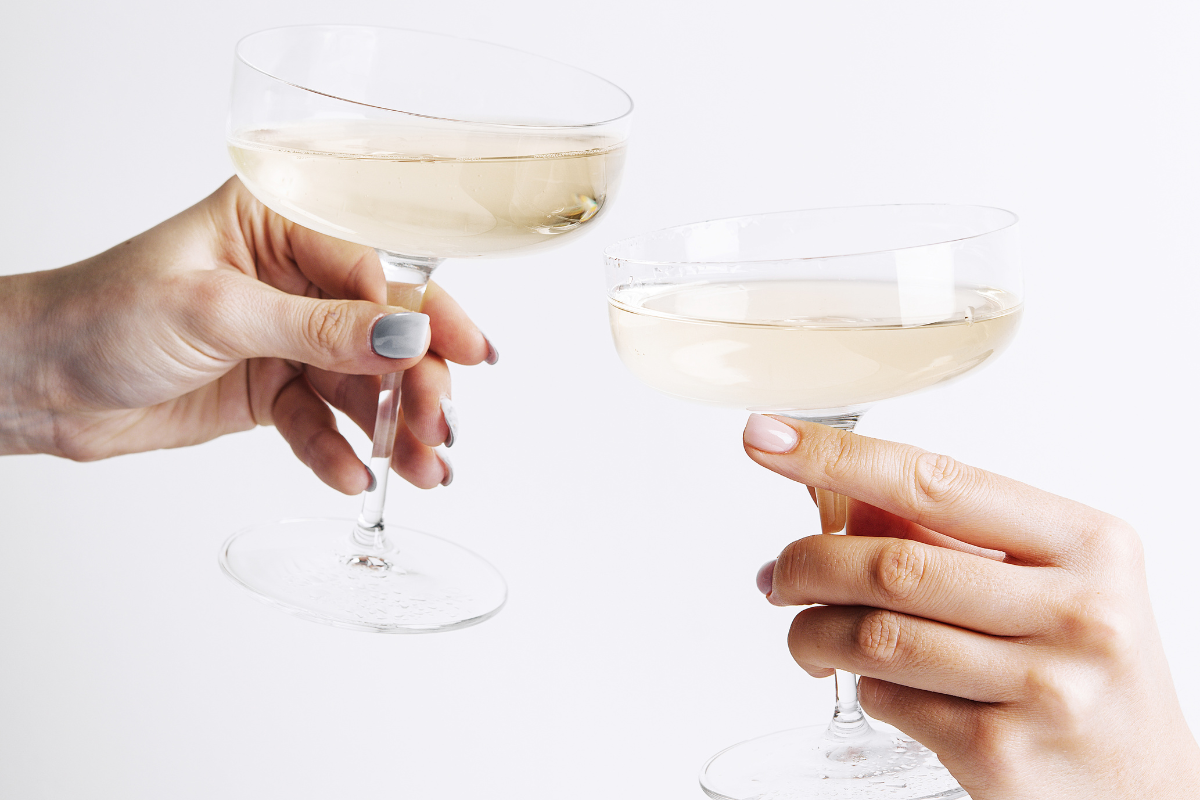
That’s why now, more than ever, I want to emphasize a simple concept: let’s talk about wine in terms of pleasure. Period. Let’s leave behind the medical-political feuds, the statistics used to back one theory or another, the scientific studies brandished like clubs. We need to bring wine back to its original dimension: a sensory, cultural, emotional experience.
Let’s restore wine to its original dimension: pleasure, culture, emotion.
If this has become an uncomfortable statement, then I’ll be uncomfortable. But I will keep defending the right to drink a glass in peace, without being treated as irresponsible. Because – and I say this with no hesitation – wine is part of my idea of freedom.
Drinking wine in peace is part of my idea of freedom—and I’ll defend it.
And no one, not even the most authoritative professor, will take that away from me.
Key points
- Wine is not a medicine, but it’s not poison either.
- The health-obsessed narrative reduces wine to a moral issue.
- Wine should be celebrated as pleasure, culture, and sharing.
- Freedom to drink a glass without guilt must be defended.
- Turning wine into a health debate strips it of its soul.