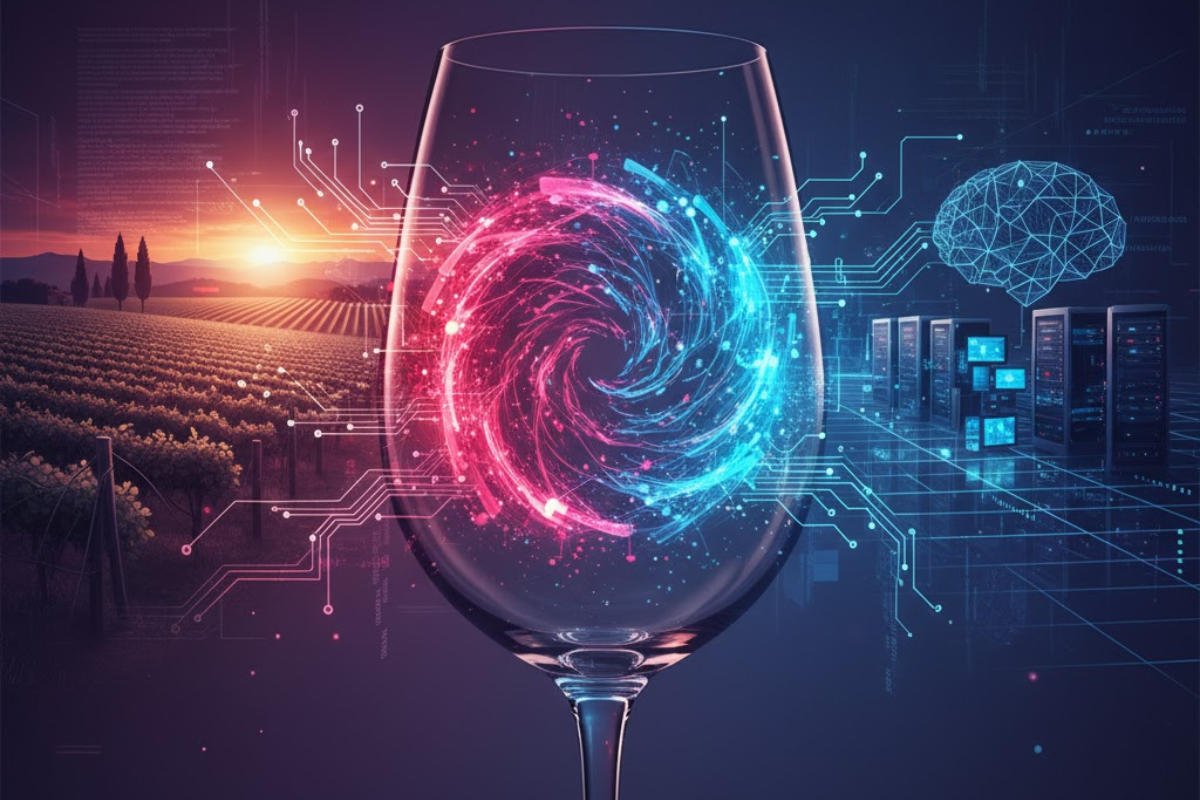
As technology and AI advance, 2026 consumer trends reveal a powerful counter-movement: a search for authenticity and human connection. This “Human Algorithm” presents a major opportunity for the wine industry. Wineries that prioritize genuine hospitality, immersive experiences, and real relationships over digital efficiency will build lasting trust and transform consumers into a loyal community.
The first results from surveys on consumer trends for 2026 are already arriving. These forecasts should not be treated like end-of-year horoscopes but as important indicators for understanding the new expectations of consumers.While they don’t always refer specifically to wine, we can still draw interesting lessons and inspiration for our sector. Among the surveys I have followed for some time and prefer are those from Mintel.
In the near future, according to the Mintel Global Consumer Trends 2026 report, consumers will navigate between automation and a desire for authenticity. In a world populated by algorithmic recommendations, deepfakes, and indistinguishable content, people will increasingly seek products and brands capable of delivering human warmth and real trust. Mintel defines this scenario as the “Human Algorithm”: personal intuition as an antidote to digital homogenization. If 63% of British adults state that AI makes them appreciate human-created things more, it is clear that authenticity is once again a competitive value.
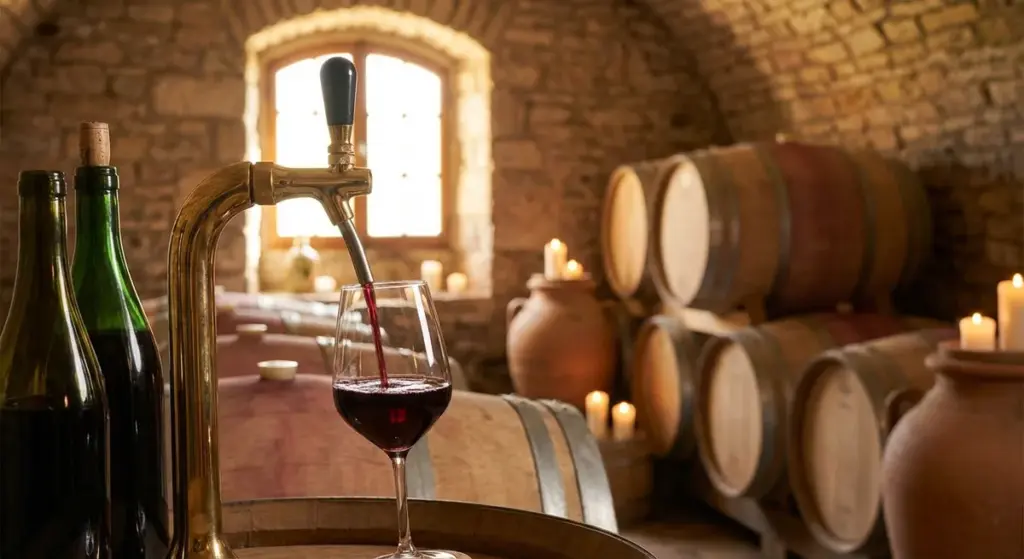
Wine, more than many other consumer goods, holds a natural advantage here: it is made of unrepeatable time, territory, people, and sensibility. For wineries, however, it is not enough to simply talk about craftsmanship. It must be transformed into a living, accessible, and coherent experience. An algorithm can suggest a wine, but trust is born when that wine is experienced—in a tasting, a cellar visit, or a story that resonates as true. The new benchmark is not the precision of a digital recommendation, but the emotional intensity of the experience.
This new benchmark highlights, if there were still any doubt, the strategic importance of wine tourism, which is based precisely on direct experience. An experience that, as Mintel’s analysis rightly suggests, must be as authentic as possible to be effective and credible in the eyes and souls of wine tourists.
This search for authenticity is intertwined with another major Mintel trend: The New Young, where youth is a state of mind rather than a chronological age. Consumers no longer want to be classified by age but by attitude. They want to enjoy life, create memories, and feel part of a community. For wine, this means shifting the focus from the product to the relationship: more experiences and less status, more emotion and less label-gazing.
Immersive tastings, experiential formats, “slow” wine tourism, and cross-sector collaborations (art, music, sports, wellness) can make wine a protagonist in the “experience economy,” which Mintel identifies as an “identity investment.” People are no longer looking for momentary gratification, but for experiences that last and speak to who they are.
Finally, Mintel predicts that by 2030, “affection” will become a rare commodity: those who can build sincere bonds with their audience, offering care and humanity, will win. In the world of wine, this means returning to the essence: hospitality, sharing, and conviviality. The companies that succeed in “refinancing affection”—in their relationships with customers, collaborators, and territories—will build true value, not just visibility.
The opposite risk is reducing everything to efficiency: AI-generated content, serial influencers, and automated communication. Mintel warns that fatigue with undifferentiated content is already evident; 57% of Japanese consumers do not buy products featured by influencers, and in Germany, many perceive them as “all the same.” In wine, to conform is to disappear.
The keywords for 2026 are trust, experience, and affection. The brands that manage to “humanize” their presence, both online and off, will be those capable of transforming consumption into a sense of belonging.
For wine, it is not a matter of changing its nature, but of returning to its most authentic self: to be, once again, a human act in an automated world.
Key points
- The “human algorithm” trend: Consumers increasingly value human creation and intuition over digital recommendations, seeking authentic products and brands.
- Experience is the new benchmark: The emotional intensity of an experience, like a winery visit, is becoming more important than the product itself.
- Authenticity builds trust: Generic marketing leads to fatigue. Genuine hospitality and unique stories are now critical competitive advantages for wineries.
- Affection as a business asset: Building sincere, human connections with customers is becoming a rare and valuable driver of true, long-term brand value.