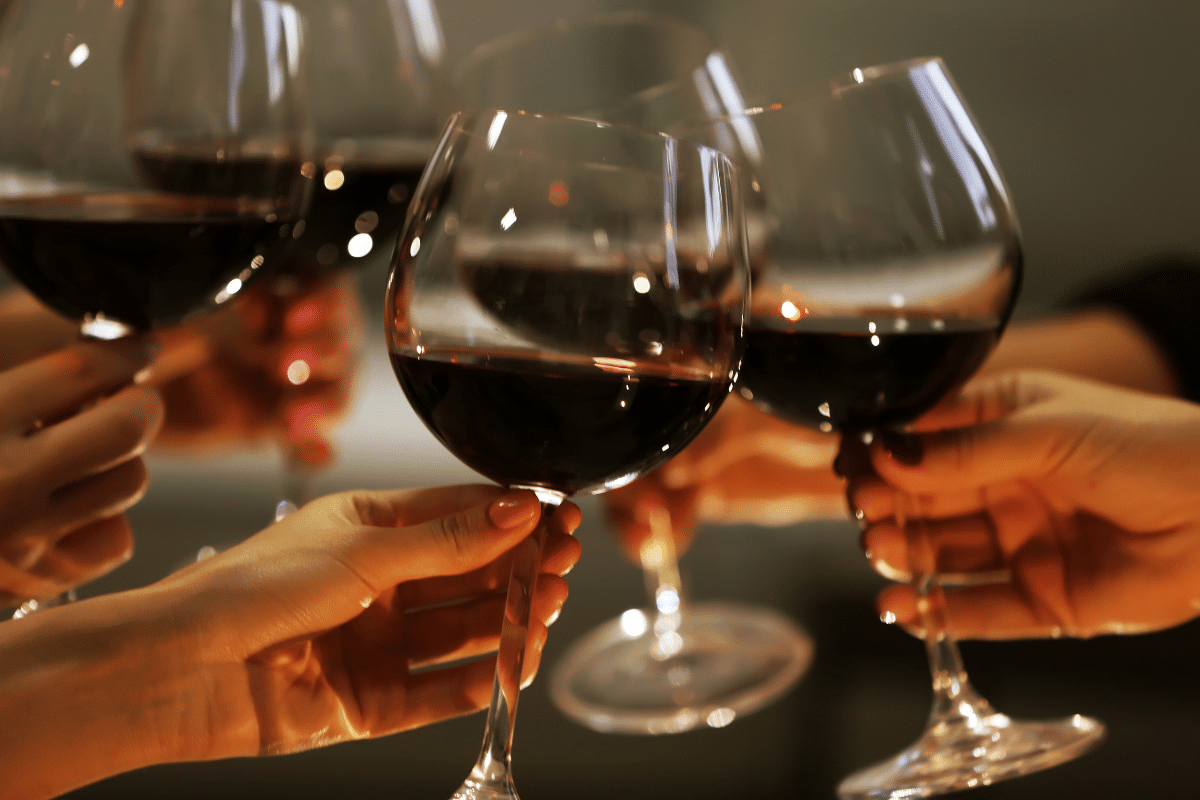
Wine is not in crisis, it’s in transformation. As global consumption drops, a new paradigm emerges: drinking less, but with more meaning. This shift challenges producers to offer authentic, value-driven experiences. It’s not about tradition or habit anymore, it’s about purpose, identity, and connection in every glass.
“It’s not the end of wine. It’s the end of wine taken for granted.”
This statement, inspired by the sharp and provocative words of Matthew Deller MW in The Buyer article “Wirra Wirra’s Matt Deller on how we must embrace era of ‘drinking less’”, forces us to look differently at what’s happening in our sector. We’re not witnessing an irreversible wine crisis but a moment of deep transformation. And as often happens in transitional periods, the difference will be made by those who read change with vision, not fear.
For too long, wine has benefited from a sort of cultural entitlement. A symbol of status, a social habit, an almost automatic gesture in adults’ routines. But that’s no longer the case. Drinking wine today is not an automatic act. It’s a choice. And like all choices, it needs a reason.
A new normal: drink less, but with more meaning
Global data is clear: wine consumption is decreasing in many parts of the world, not due to sudden disinterest but because of a deeper transformation. New generations, more health-conscious, sustainability-driven, and aware, are not rejecting wine outright. They’re just integrating it into their lives with more intentionality.
So again, the real question isn’t how much wine is drunk, but why. In this new landscape, the wine that survives isn’t the one clinging to tradition or denomination. It’s the wine that tells a story, that conveys values, that fits a moment and gives meaning to an occasion.
It’s not a crisis, it’s natural selection
Those in the wine industry have two options: complain or evolve. Let’s be honest: not all wine is suffering. What’s suffering is the wine that lacks identity, chases trends, and speaks to an audience that no longer exists. What thrives, and even grows, is the authentic, consistent wine that makes the drinker feel part of something.
Deller puts it clearly: “It’s not a crisis. It’s a call to improve.” It’s almost an ethical challenge for those who produce, communicate, and sell wine. Making a “good” product is no longer enough. Wine must be right for the times we live in: sustainable, transparent, personal, real.
Value must be Earned. Every day.
In a time where attention is the rarest currency, wine can no longer afford to be taken for granted. It must earn its place on the table. How? Through quality, of course, but above all through message consistency, credible storytelling, and the honoring of promises.
Today’s consumer wants more than a nice sip. They want a meaningful experience. They want to know where the wine comes from, who made it, and why. Most of all, they want to feel a connection between what they drink and what they believe in.
The future is ours to shape
Post-peak doesn’t mean decline. It means a new era. And in this era, wine still has so much to say, if it learns to speak the language of the present. A language of empathy, conscious choices, and authenticity.
Wine can no longer settle for being poured. It must become an act. A declaration. A cultural statement.
It’s not an easy task. But it is, without a doubt, an exciting opportunity.
Key points
- Wine is transitioning from routine to intentional consumption.
- Younger consumers seek authenticity, health, and sustainability.
- Only identity-driven, value-rich wines will thrive.
- Producers must earn attention through storytelling and coherence.
- The future of wine depends on relevance, not volume.