Recurring debates over high wine prices harm the industry’s perception, ignoring the reality of low prices in supermarkets globally. Iconic wines enhance the overall prestige of wine as a product, and focusing on their pricing risks alienating consumers. Instead, investment in marketing and communication should take precedence to improve the industry’s image and ensure sustainability.
I can’t tell if this summer’s intense heatwave was more irritating or the recurring debate over the so-called high pricesof wine.
This cyclical “war” against wine pricing, though tolerable in the past during a period of market growth, now risks being a severe blow to the wine sector. This industry is already grappling with reduced yields due to a challenging harvest season, compounded by rising production costs and stagnant market demand.
Producers are caught in a difficult position: forced to increase their prices to maintain economic sustainability, while aware that customers, whether domestic or international, are reluctant to accept price hikes.
Many of these criticisms focus on fine wines, which some argue have been overvalued for too long. Recently, the French wine critic Michel Bettane published an article in World of Fine Wine criticizing exorbitant prices for certain ultra-premium wines. Bettane cited examples like €1,000 bottles of Bourgogne Aligoté and €600 bottles of Jura Blanc, claiming these prices are unsustainable as speculative demand wanes.
While Bettane provides specific examples, many others have simply denounced high wine prices without substantiating their claims. This generalization damages the wine industry’s consumer perception.
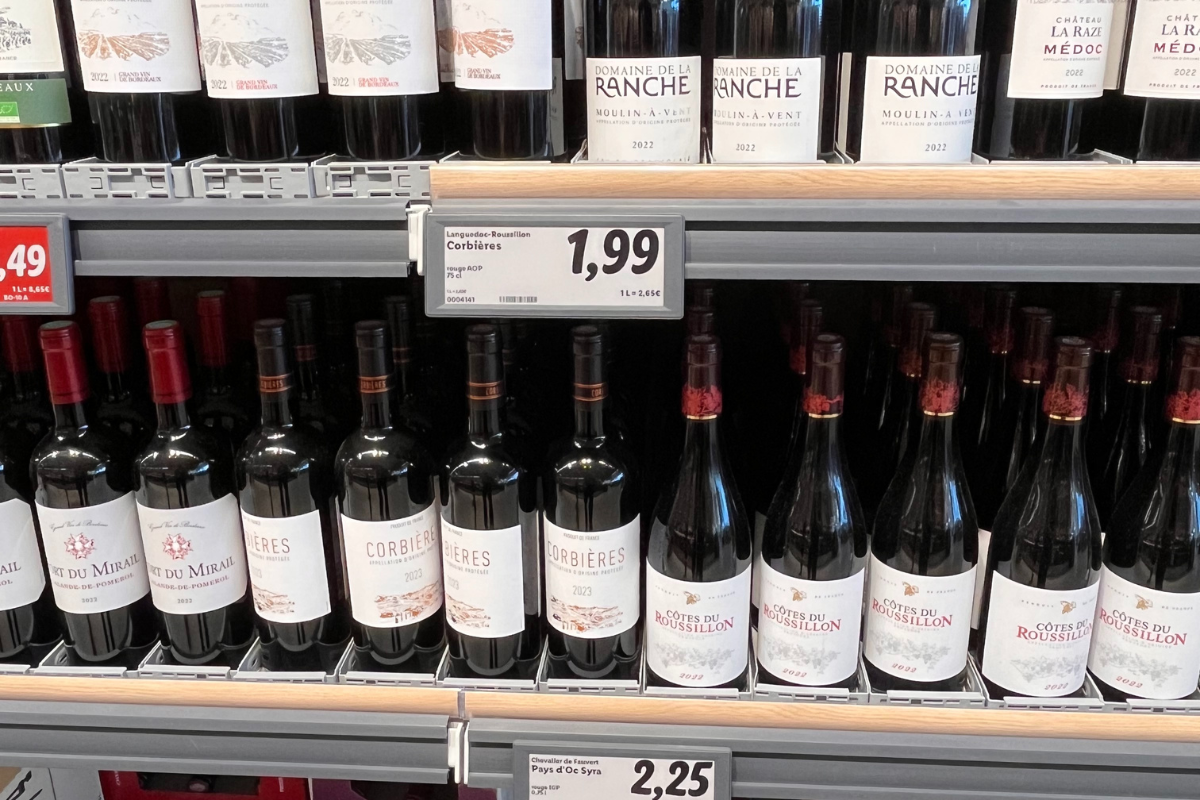
A simple visit to a global supermarket reveals that many wines are priced lower than non-alcoholic beverages, including water. For instance, during a recent tour of Alsace, I observed prestigious French appellations like Bordeaux being sold at shockingly low prices, with Alsatian Rieslings and Pinot Grigios from older vintages available for under €10.
In Italy, the situation is even more extreme, with a majority of wines in supermarkets priced under €5 per bottle, and a significant selection under €2, including historic DOC wines.
Some argue that criticism targets only the ultra-premium segment, not the entire market. However, iconic and super-premium wines play a vital role in enhancing wine’s overall perception and prestige. Criticizing these price points undermines the value of wine as a luxury product, especially compared to other consumer goods that do not face similar scrutiny.
Ultimately, rather than attacking wine prices, we should encourage producers to invest in marketing and communication to improve their product’s image and positioning.
Speaking of high prices while wine is increasingly perceived as a basic beverage risks further damaging its reputation. The real focus should be on ensuring quality and value, rather than succumbing to an oversimplified pauperistic narrative.
Key Points
- Criticizing wine prices damages consumer perception and the industry’s reputation.
- Supermarket wines often cost less than non-alcoholic beverages, including water.
- Iconic wines are essential for enhancing wine’s overall prestige.
- Producers should focus on marketing and communication, not price reductions.
- A “pauperistic” narrative risks reducing wine to a basic commodity.