Vinitaly and the City drew thirty thousand people to the archaeological park of Sibari in three days, despite the heat and a location hard to reach. The author reads it as proof that wine, combined with fun, still attracts young people, and argues that political spots and technical events should be limited so the format can stand on its own.
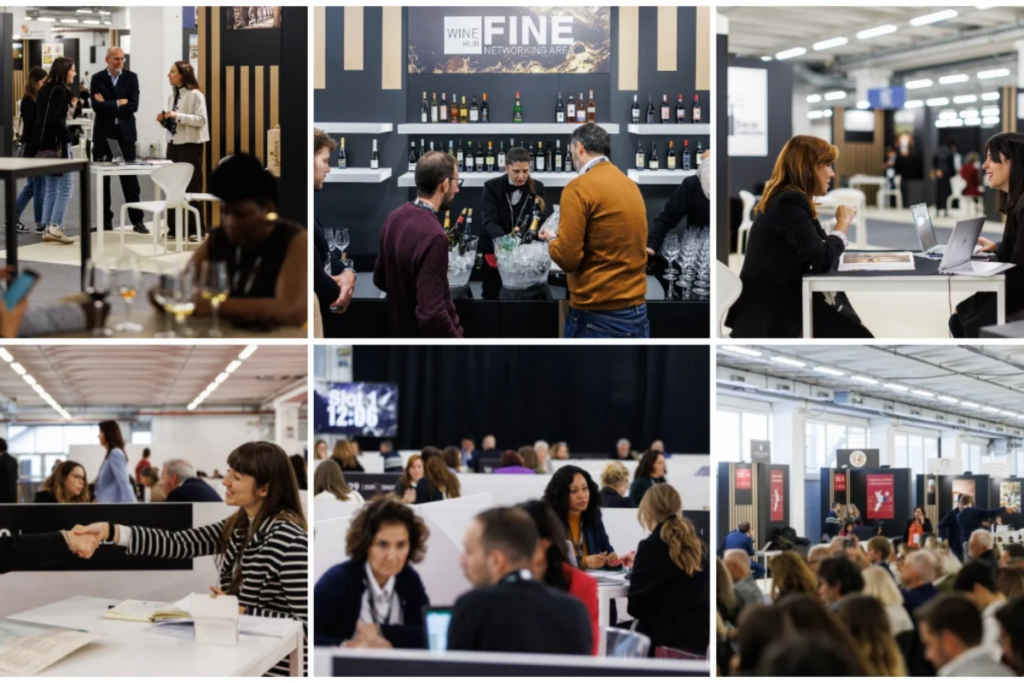
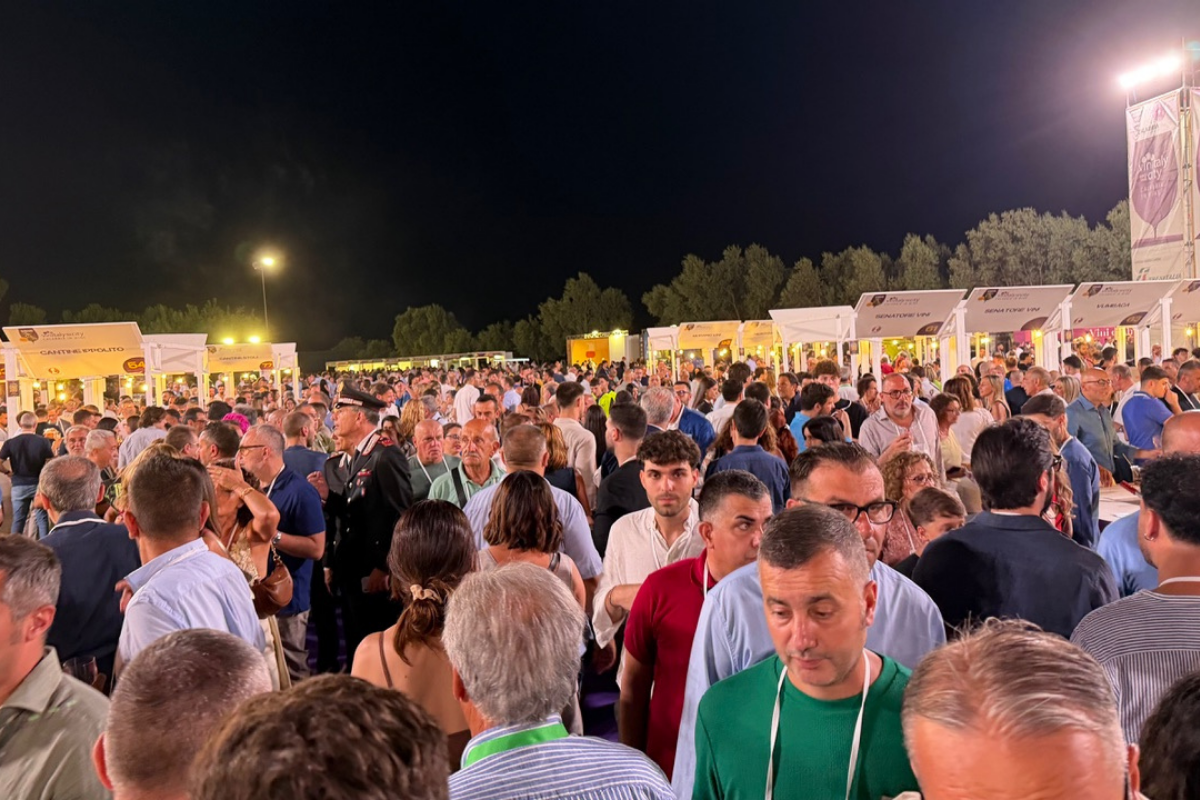
Thirty thousand people. In three days, from 17 to 19 July, inside an archaeological park that is not exactly around the corner, with a heat that took your breath away. That is the number we have to reckon with before any other consideration on the third edition of Vinitaly and the City in Calabria, and before going back to telling ourselves the story we have been telling ourselves for months.
Because the story, by now, is always the same: disaffection with wine, young people drinking other things, consumption slipping away, the sector questioning itself. Then you arrive in Sibari and see the Archaeological Park turn into a real wine square, stormed by a young audience with contagious enthusiasm. And you wonder whether we might be mistaking a crisis of language for a crisis of product.
Mind you, I am not saying that the market numbers are an invention. I am saying that what I saw in Sibari completely challenges the negative perception we carry with us. And it does so under the most uncomfortable conditions possible: a location that is not easy to reach and a heat that would have discouraged anyone. It was no walk in the park for the public. Yet they came anyway, and came back the following evening.
Someone will say: it costs little. True, the ticket was 20 euros, but it entitles you to three tastings. If anyone wanted to eat something, another ten had to be added. And I saw a great many people pull out more money for a few more tastings, for other food, without making a fuss. So no, I do not believe the draw was the price. The draw was being able to appreciate the wine and cuisine of a territory in an original setting, inside a festive atmosphere. The rest came by itself.
If we were to shoot an ad for Italian wine, then, Vinitaly and the City in Calabria would make an excellent set. A format that deserves to be exported to other parts of the country, and not only because it works: because it shows that wine, when it stops explaining itself, explains itself very well on its own.
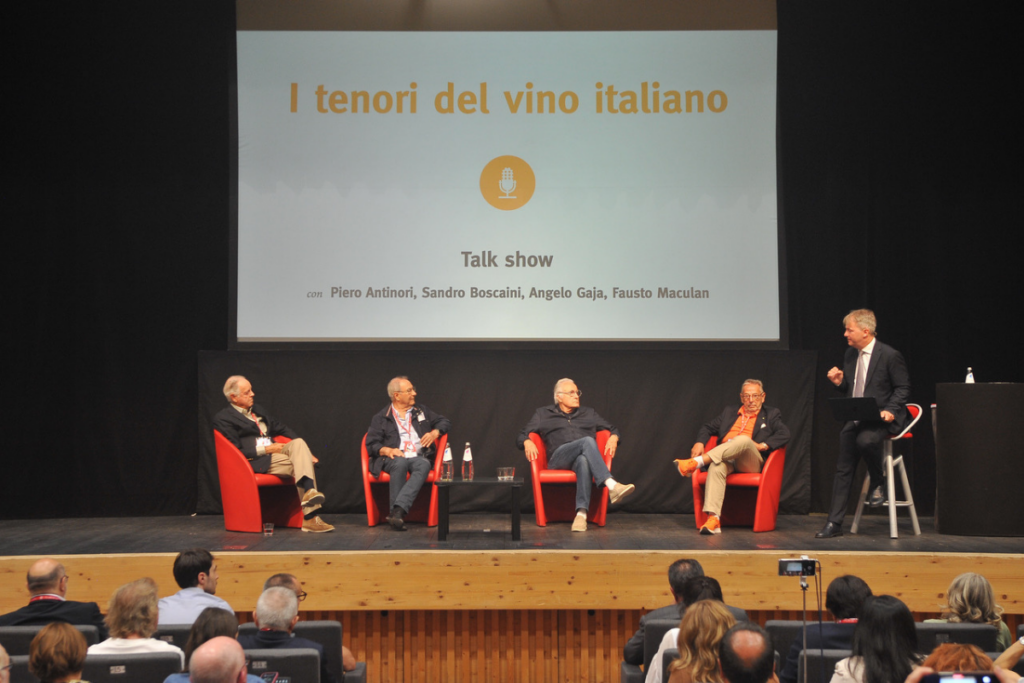
And here comes the part that left me most perplexed. Precisely because it is a wine festival, I honestly do not understand the need to hang a sea of side events on it, between political ads and more or less technical seminars. I am not naive: I know well that, in return for the investment by the Calabria Region, there is a need to show voters the institution’s commitment. But let us limit ourselves to the opening greetings.
Otherwise we end up giving the perception that initiatives of this kind are indeed election ads, and not what they should be: extraordinary moments to communicate wine correctly, to let final consumers appreciate its values, to promote the food and wine excellences of a region that is very rich and still largely unknown, like Calabria.
In the end, Sibari also brings out a very Italian cultural limit, which in our sector becomes almost an occupational disease: we cannot be content. It is not enough for us that people enjoy themselves drinking well. We have to ennoble, certify, add politics, the conference, the masterclass, the technicality, as if fun alone were something a bit vulgar to be justified. And yet the pairing I consider more and more decisive for recovering consumption, especially among young people, is exactly that: wine and fun.
Which does not mean getting wasted, mind you. Quite the opposite. On the evening I was there I saw no excesses, I saw no drunks among the stands, nothing of what our public debate takes for granted when it talks about young people and alcohol. And that too is a lovely sign, perhaps the second most important after the numbers.
The test comes soon, moreover: on 8 and 9 August the format lands for the first time on the seafront of Reggio Calabria, and it will be interesting to see how much the institutional part will weigh there compared with the square.
My wish, then, is that this format keeps growing and does not remain confined to Calabria. But above all that it learns to walk better on its own legs, with fewer interventions from institutions and politics. It would be an important signal: Italian wine not only is and remains a great attraction, even in the many extraordinary tourist areas of our country, but can promote itself very well without the usual ballast of conferences, masterclasses, technicalities.
Because having fun is not the opposite of learning. It is the prerequisite. And in Sibari, in three evenings, thirty thousand people reminded us of it better than any report.
Key points
- Thirty thousand people attended Vinitaly and the City in Sibari over three days, despite heat and distance.
- Wine and fun are the winning pairing to win back consumption, especially among young people.
- Political spots and technical events should be limited to the opening greetings.
- The price was not the draw: visitors willingly spent more on extra tastings and food.
- Reggio Calabria will test the format on 8 and 9 August, showing the weight of institutions.