Wine tourism relies on traditional visitors, yet residents living within fifty kilometers of a winery are often the most overlooked audience. Events such as yoga among the vines or outdoor cinema can attract them. Registering participants’ names and email addresses turns each evening into a database, the real capital for future newsletters and marketing strategies.
Classic wine tourism is of fundamental importance to our industry. However, to energize visitor flows at the winery, a skilled hospitality manager should study and activate several channels at once. Welcoming traditional tourists is essential, yet equal attention must be paid to “locals”, meaning residents who live within a fifty kilometer radius. Paradoxically, local people are often the most neglected category and, at the same time, the most complex one for a winery to reach.
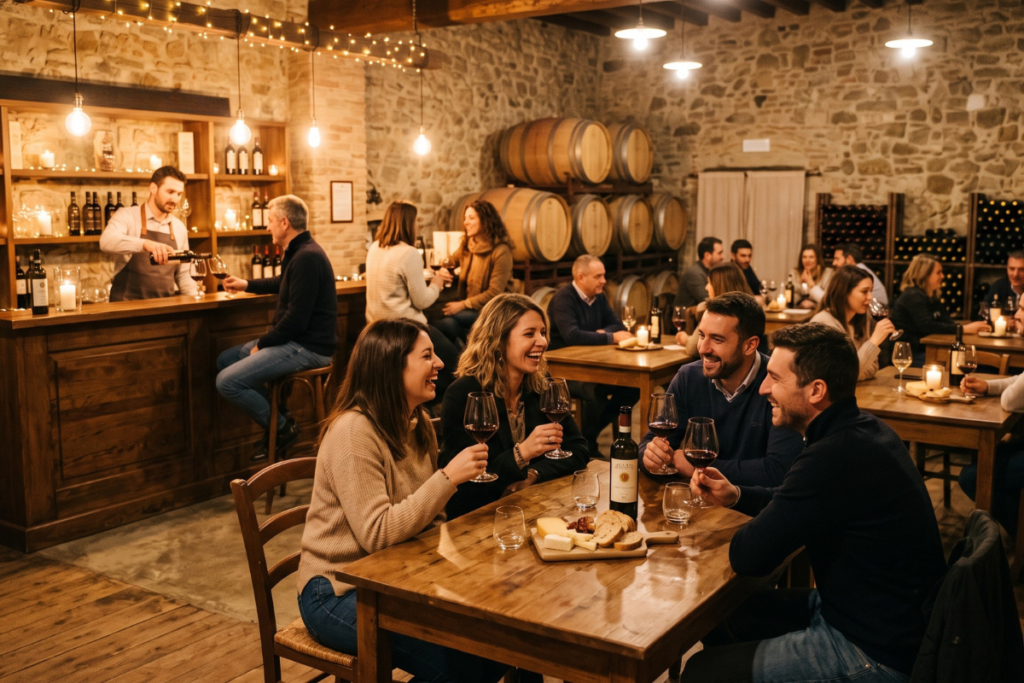
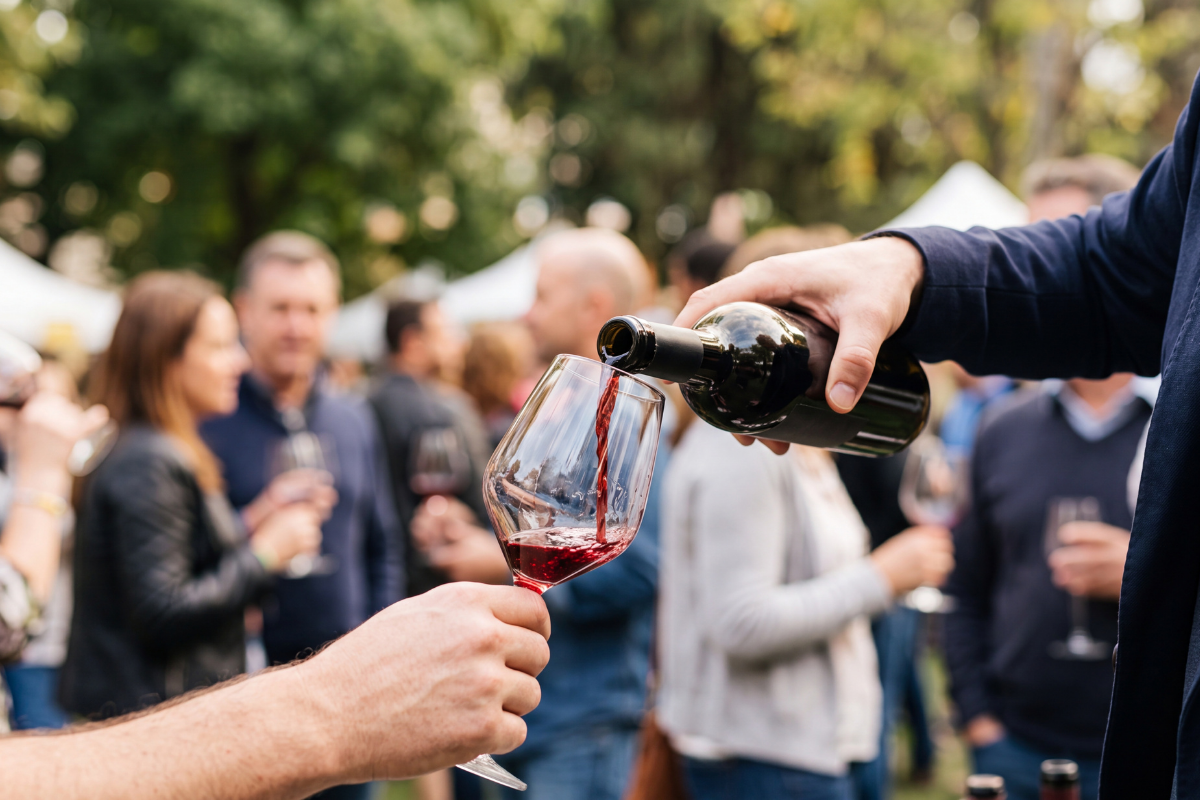
A decisive strategy for attracting this audience lies in organizing events designed specifically for them. Formats such as yoga among the vines, outdoor cinema, aperitifs with food trucks or wine introduction evenings offer endless possibilities for attracting those who live near us. However, I often encounter a huge misunderstanding on this point. The primary goal of an event is the systematic acquisition of the contacts of a new audience that would otherwise never have crossed the winery gate, rather than the mere takings of the evening.
Often, beautiful evenings are organized in which people attend, consume and leave, leaving the winery without any information about who they are the next day. If you organize an initiative, registering participants in advance or on the spot is a business obligation.
Obtaining the first name, surname and email address of those who attend turns an occasional presence into a profiled contact to add to your database. To these same people, in the following months, you can send a newsletter announcing the opening of the wine tourism season or proposing a new tasting.
I always explain to managers that the event works as bait, while the database is the true capital for the future.Staying in touch with the audience you have acquired allows you to build lasting and authentic bonds. The real beauty of this process lies in the ability to turn the winery into a lively meeting place, capable of positioning itself as a social and cultural reference point for the entire territory.
Key points
- Local residents within fifty kilometers are the most overlooked and complex audience for a winery to reach.
- Dedicated events such as yoga among the vines or outdoor cinema attract people living nearby.
- Registering participants with name, surname and email is a business obligation for every event.
- The database is the true capital for the future, while the event works as bait.
- Newsletters sent in the following months announce the wine tourism season or new tastings.