Italian wineries excel at creating aesthetically flawless hospitality, yet visitors often leave without a memorable story. This article explores the crucial difference between the frame, which is the curated atmosphere, and the picture, which represents the authentic narrative. True wine tourism success requires genuine personal details to stand out.
I have visited many wineries and increasingly find myself in places curated down to the smallest details. We see tastefully restored spaces, sunset light calculated almost like a movie direction, the right glasses, and background music that does not disturb but accompanies. Everything is designed to build experiences that work and leave a pleasant sensation. Yet, upon leaving, I often ask myself: what did I understand about this winery that I did not know before?
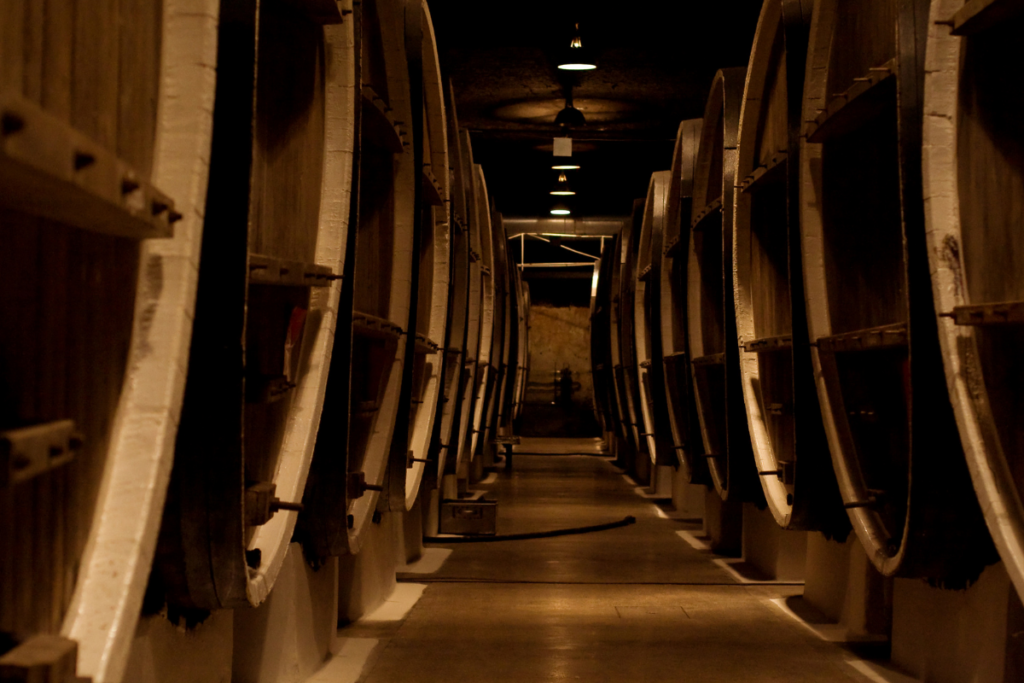
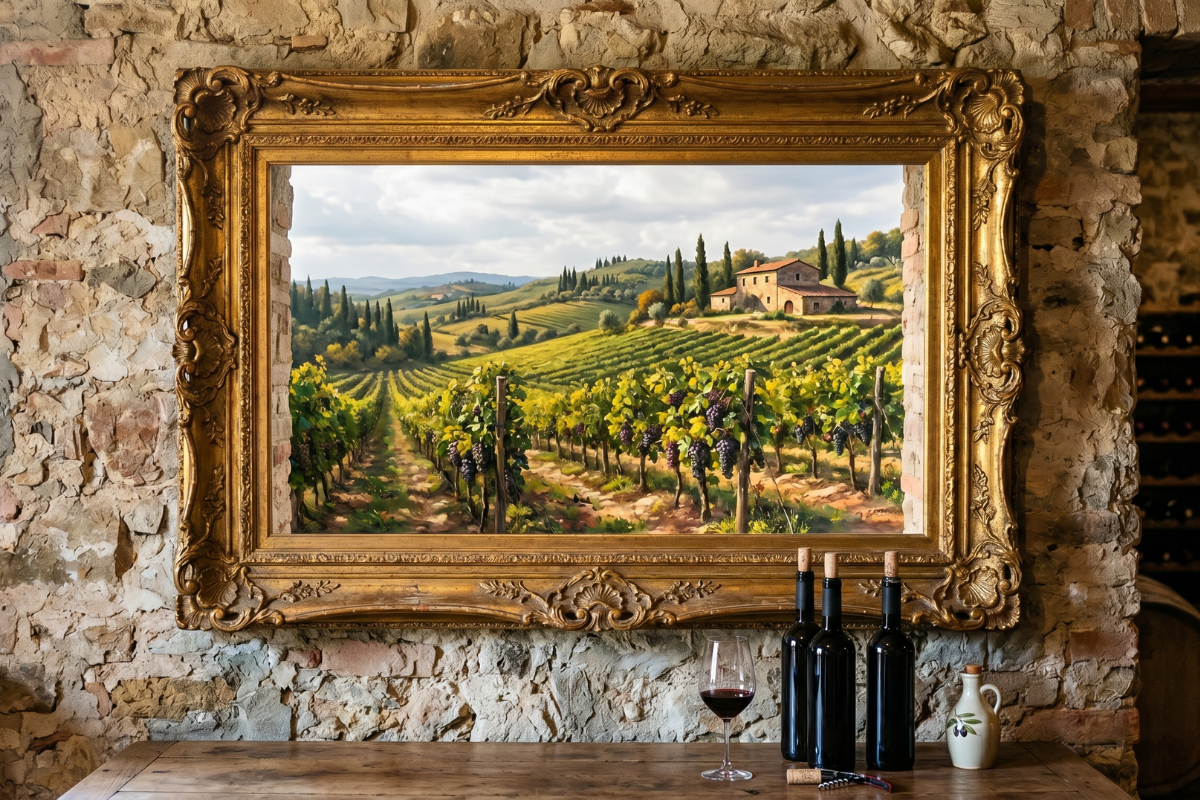
There is a distinction I find powerful when talking about hospitality: the difference between the picture and the frame. The frame is everything that contains and enhances, such as form, aesthetics, and atmosphere. It is measurable, replicable, and photographable. You can show it on Instagram, describe it in a brochure, and evaluate it before even arriving.
The Italian wine tourism sector, in recent years, has focused on the frame in an extraordinary way with evident results. Wineries have become increasingly curated places, experiences are more tailored, and hospitality is increasingly professional. The picture is something else entirely. It is the detail, the gesture, the concrete choice that gives meaning to everything else. It is what a winery really has to say, even before knowing how to say it.
Without a frame, the picture appears raw, but without a picture, the frame is just a beautiful mount around emptiness. I have visited wineries with breathtaking vineyards and tasting rooms that look like stage sets. You leave after two hours with a bottle under your arm and a feeling of genuine well-being. Then, I have visited simple wineries with no particular aesthetic pretensions.
In these simple places, the owner sat down in front of the guests and told a true anecdote, a difficult choice, a mistake, or a season gone wrong. Those details, so personal, true, and authentic, are exactly what leave a lasting impression. The difference lies in the awareness of having something to say, rather than the budget.
The risk of the frame without a picture is subtle because it does not manifest itself during the visit. The visitor does not notice it immediately and leaves satisfied, perhaps enthusiastic. The problem emerges later, when they try to recount the experience to someone and realize the words they find are all generic. Words like beautiful, curated, and relaxing describe hundreds of other places and belong to no one in particular.
In a wine tourism landscape where experiences are increasingly numerous, well-packaged, and similar to each other, this is a positioning problem before a quality one. An indistinguishable winery has simply not yet understood what makes it different from the others. Alternatively, it knows but has not yet translated it into an experience for the guest. The frame alone leaves nothing to tell.
Building hospitality that truly works means asking an uncomfortable question even before thinking about spaces, signage, or glasses. What do we want the visitor to take home, besides the experience? What detail, story, or image should still be in their head six months later, when they uncork that bottle and someone asks where it comes from? That answer is the picture, and all the rest is the frame.
Key Points
- Aesthetic curation alone cannot build a memorable and completely unique wine tourism experience for the guests.
- Authentic storytelling creates memories far better than perfect but extremely generic and empty tasting rooms.
- Hospitality must communicate true details, concrete choices, and even mistakes to connect deeply with visitors.
- Standing out requires specific identity, avoiding indistinguishable and overly packaged visits that look like many others.