Climate change is reshaping the wine world. Amid extreme weather events and uncertainties, the industry is questioning how it can adapt to ensure a sustainable future without losing its roots.
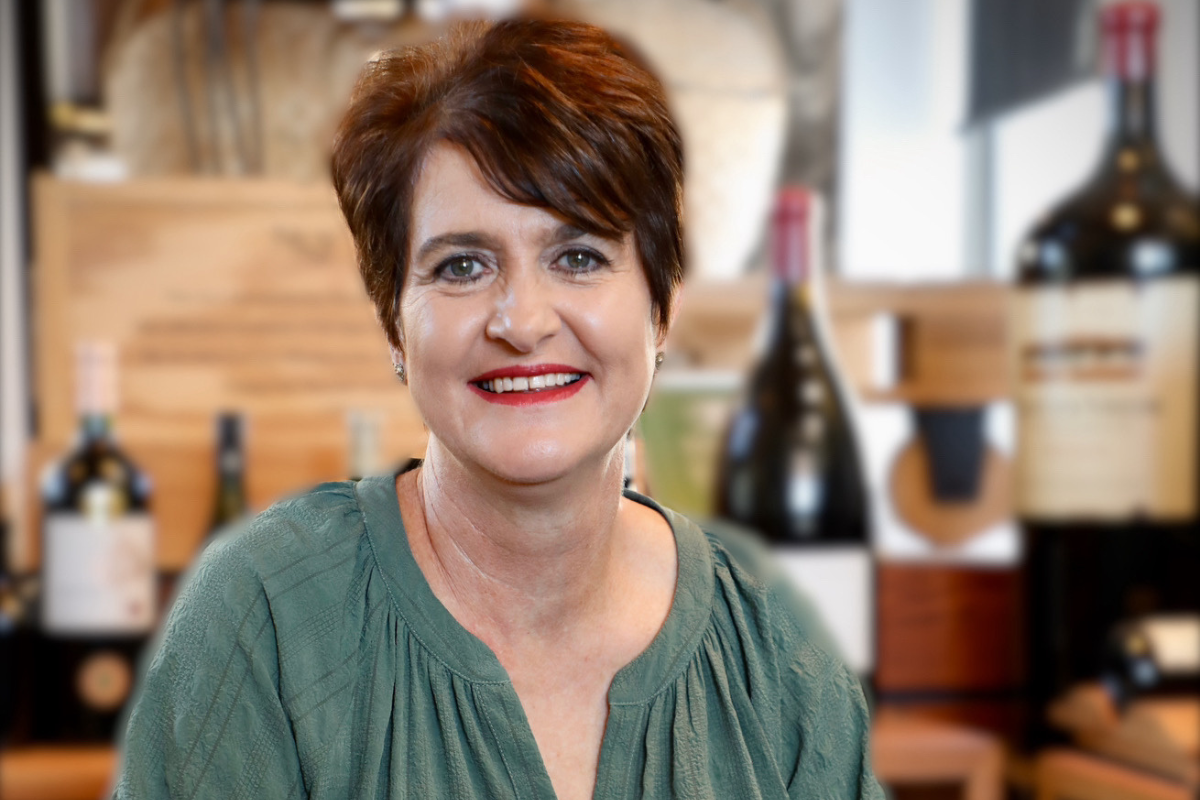
We discussed this with Yvette Van Der Merwe, the newly elected President of the International Organization of Vine and Wine (OIV), who shared her vision of sustainability.
Her concept of sustainability goes beyond environmental aspects; it includes social and financial sustainability aimed at addressing climate challenges with specific solutions that make wine accessible, sustainable, and innovative.
What is your vision of the current health of the global wine industry? With emerging challenges like sustainability, what do you see as the main priorities for the sector’s future?
The key to addressing climate change is sustainability, but not just environmental sustainability; it also includes social and financial dimensions. These three aspects—people, planet, and profit—are closely interconnected. We often overlook the social and financial dimensions, and that is a mistake.
In recent years, we have seen a decline in wine consumption and a growing emphasis on the health risks associated with alcohol. At the OIV, we believe decisions should be based on solid scientific facts, not perceptions. Wine is not just an alcoholic beverage; it also represents culture, heritage and identity. Only by being innovative and by finding the balance between this and tradition can we address the issue of waning interest among younger generations.
How do you balance the need for sustainability with respect for tradition in the wine world, especially in the face of challenges like climate change?
What would happen to Champagne if climate change made it unsustainable to produce? This is a question I ask myself and others, because, while Champagne represents tradition and has deep cultural value, sometimes we need to look at the bigger picture.
We can be deeply rooted in our history, but in the face of a climate crisis, we must be ready to innovate and adapt, even if it means making tough choices. It’s about finding a balance between respecting our roots and being pragmatic: if we don’t innovate, we risk losing everything we are trying to preserve.
As President of the OIV, what initiatives do you plan to promote to address climate change and encourage sustainable practices in wine production? What role can the international community play in this area?
We have made a lot of progress in environmental sustainability, but now we need to take it to the next level, especially through technology and research. Every measure we adopt, however, must also be economically sustainable for producers. We need to find a balance: adopting climate-friendly practices is pointless if they are not economically feasible. That is the true meaning of sustainability.
In South Africa, you played a crucial role in developing a certification system that values the identity and quality of local wine. Which aspects of this approach could be applied internationally?
In South Africa, we developed systems certifying adherence to environmental and social sustainability criteria.
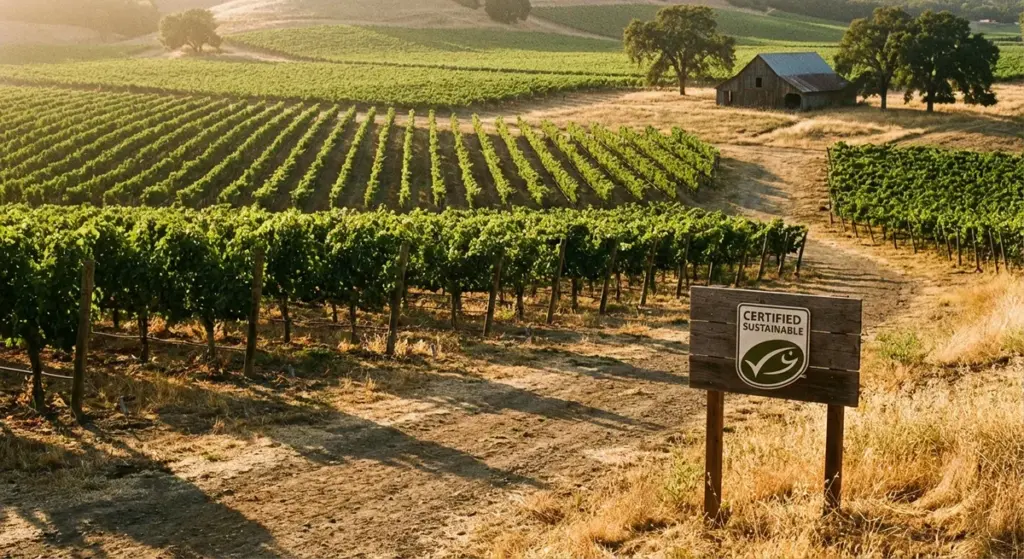
Specifically, South African wine bottles can have two different types of seals: one certifying environmental sustainability and the other certifying social sustainability. Both seals allow the bottle’s journey to be traced back to the vineyard of origin.
The OIV has also adopted a similar approach, inspired by the South African experience. However, the challenge we face, which is also critical in Italy, is the high cost of such certifications. We need to find a solution to make certifications more accessible and less costly, so they do not become a burden for producers but rather a tool for enhancement and competitiveness.
Read also: Poderi dal Nespoli: more than just tradition in Romagna’s wine region
Many claim that young people are drinking less wine and that overall consumption is declining. Yet, export demand is growing in many countries. How do you explain this discrepancy between domestic consumption and international demand?
There are different dynamics at play. We see a decline in consumption at the global level, which largely reflects changes in young people’s habits. However, we must consider that we live in a globalized world where especially young people are curious, love to experiment, and have access to a wide range of options, which includes wine from other countries. While domestic consumption is thus influenced by generational shifts and changing attitudes toward wine, export demand reflects the global appeal of wine as a cultural and lifestyle product in new and emerging markets.
Wine consumption has indeed decreased, but the global alcoholic beverage market has not necessarily experienced the same decline. Today, consumers, while drinking less frequently, have a much broader range of options compared to the past, and they often choose products other than wine. This is because young people are open to new possibilities but often perceive wine as an intimidating and traditional category. Changing this perception is crucial.