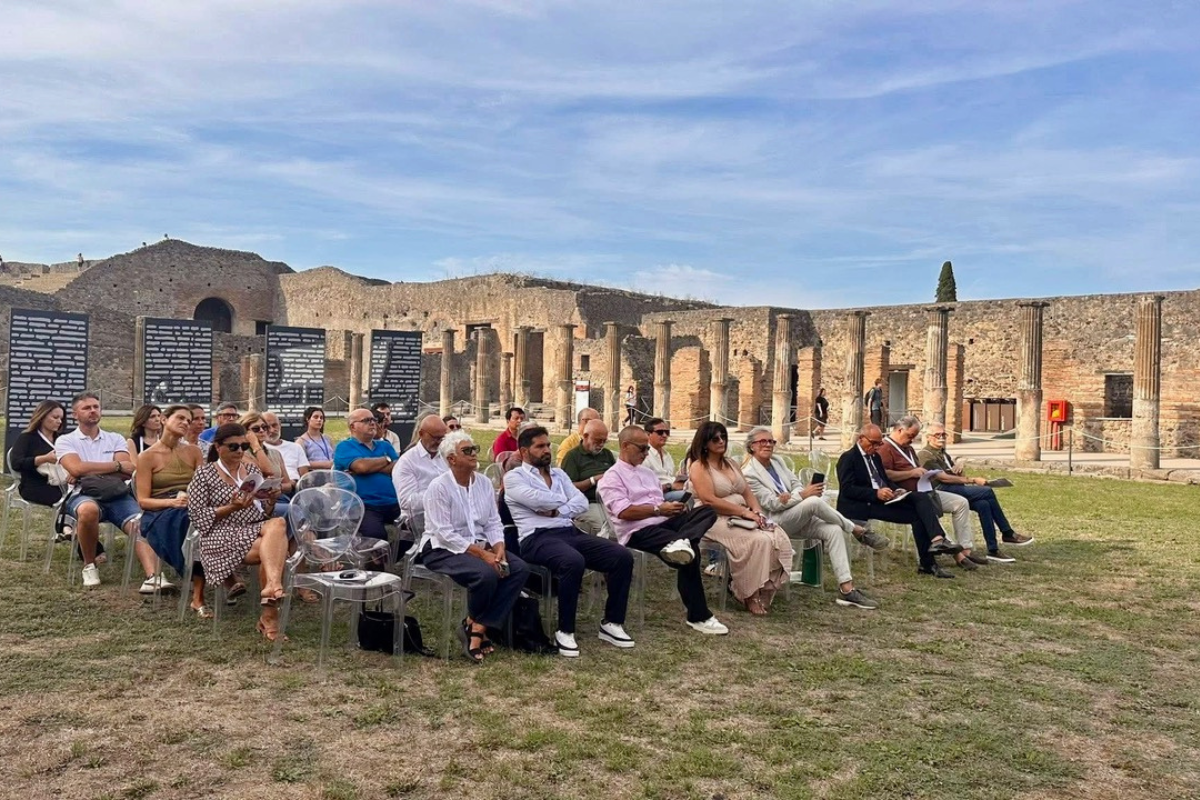
The “Pompeii of Antiquity: Life and Wine” event transformed the archaeological park into a stage for the Old Vine Conference, uniting history, culture, and viticulture. It highlighted how Italy’s ancient wine heritage is not just a relic of the past but a strategic asset, demonstrating that authenticity is the key to captivating the modern global market.
There is something profoundly poetic in seeing the ancient vines of Pompeii bear fruit again in the same place where, two thousand years ago, the Romans toasted, oblivious to the impending tragedy. It is in this setting, rich with history and suggestion, that “Pompeii of Antiquity: Life and Wine” took place, an event that transformed a simple wine gathering into a journey through time.
The Archaeological Park of Pompeii is no stranger to initiatives that go beyond mere museum conservation. Gabriel Zuchtriegel, director of the Vesuvian site, immediately clarified the intent: “This event is not just a way to celebrate the history of wine, but it expresses a new vision for the site of Pompeii, one that is alive and dynamic.” With initiatives like this, the Park confirms its interest in projects with strong ties to the territory, targeting industry operators and a specialized audience that can appreciate the excellence of wine. Archaeology is not an isolated world, and Pompeii must be open to cross-cutting events that speak to different audiences, ranging from culture to taste.
Organized by Dante Stefano Dal Vecchio of www.misteryapple.it, the event showed how it is possible to combine scientific rigor and commercial appeal. Walking among the casts of the victims of the 79 A.D. eruption and then tasting wines produced from centuries-old vines creates a powerful emotional short-circuit, almost a reconciliation between the death that crystallized time here and the life that continues to flow through the centuries.
The idea of bringing the Old Vine Conference to this setting is not accidental. Pompeii represents the perfect counterpoint to a discourse that too often remains confined to technical circles: here, old vines are not just an ampelographic heritage, but they become witnesses to a cultural continuity that spans millennia. The mission of the association, which brings together hundreds of wineries with historic vineyards from around the world, finds its highest symbolic expression in this place.
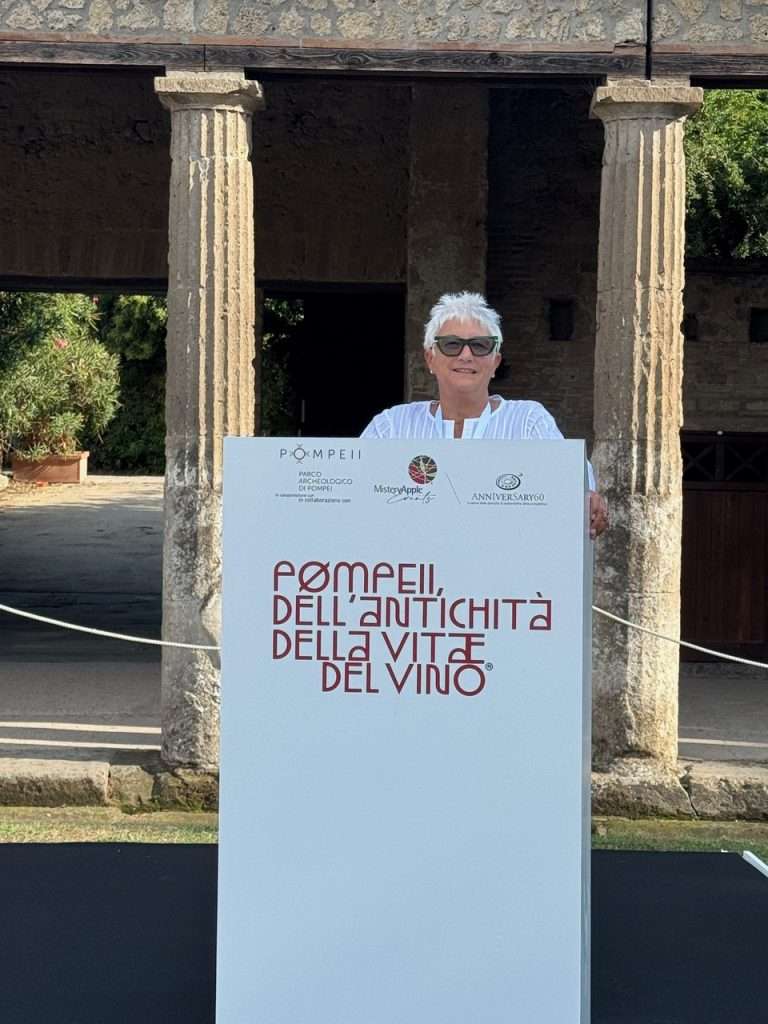
Forty Italian companies, mainly from Campania, participated in the B2B tasting curated by Michèle Shah SRL. A number that might seem modest, but which gains significance when we consider the quality of the selection and, above all, the message it conveys: Italy does not need to chase global wine trends, but rather to enhance what it already possesses. The presence of 15 international buyers, sommeliers, importers, and journalists confirmed how much the world market is increasingly sensitive to the theme of authenticity.
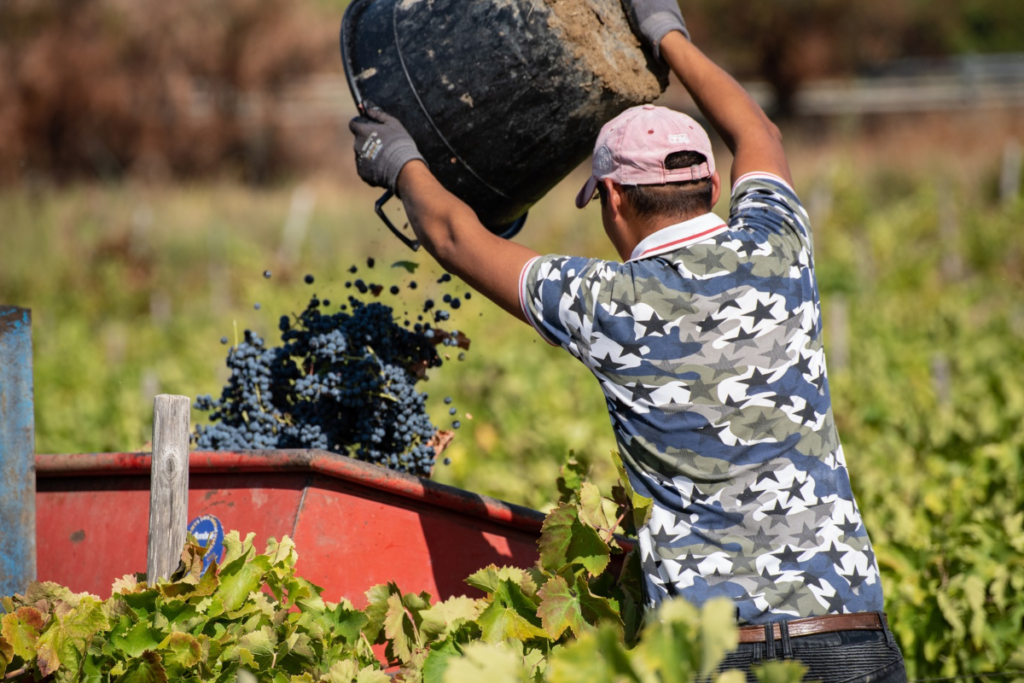
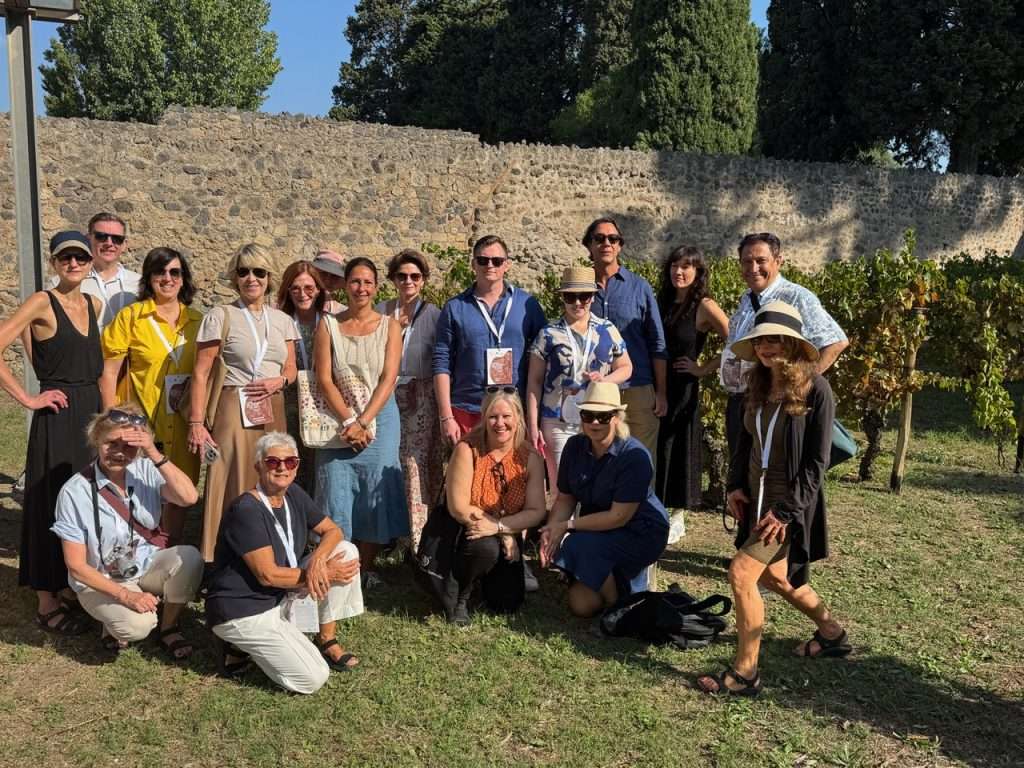
The vineyards replanted within the archaeological park represent much more than a botanical experiment. They are a living testament to the central role of wine in the life of ancient Rome, a bridge between past and present that symbolizes the deep bond between humanity and wine. Entrusting their management to Feudi di San Gregorio, under the direction of Antonio Capaldo, is more than a technical choice: it is the recognition that enhancing viticultural heritage requires specific skills and an entrepreneurial vision. The guided tour led by Viviana Malafarina, oenologist and winemaker of Basilisco, showed how it is possible to combine historical research and oenological innovation.
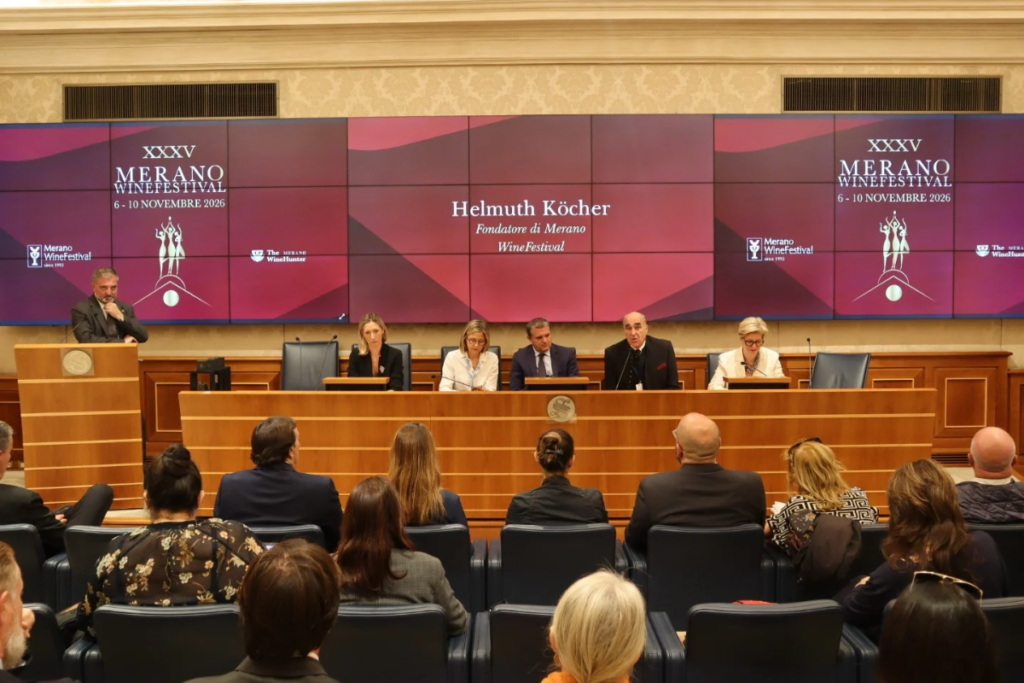
Particularly significant was the presence of Tamuna Liluashvili, the Georgian ambassador, a country that claims a winemaking tradition of over eight thousand years. The comparison with Georgia, Armenia, Moldova, and Turkey is not just an academic exercise but reveals the geopolitical dynamics that traverse the world of wine. While the West rediscovers its viticultural roots, the East has never stopped cultivating them. Also noteworthy was the speech by Helmuth Köcher, founder of the Merano WineFestival, who for years has focused his attention on the Georgian culture of wine in amphorae.
The presentations by Llorenç Alapont, an archaeologist and anthropologist from the University of Valencia, on the mystical links between wine and death, and by Roberto Cipresso on the grape varieties of Armenia, Iran, and Ukraine, added further pieces to a complex mosaic where viticulture intertwines with conflicts, migrations, and cultural resistance. Armando Castagno, a writer and art history critic, offered a reflection on the media and oenological representation of wine, completing a rich and articulated interpretive framework.
The final masterclass, led by Michèle Shah in the Auditorium of the Archaeological Park and dedicated to the wines of 10 producers who are members of the Old Vine Conference, demonstrated that behind the rhetoric of old vines lies a serious cultural and economic project: to create a recognizable product category, build international networks, and develop certification protocols.
The Pompeian event risks being seen as yet another marketing operation of the ancient, but that would be a reductive interpretation. The success of “Pompeii of Antiquity: Life and Wine” confirms that the future of Italian wine also passes through the rediscovery of its own past. Not for nostalgia, but for strategic necessity: in an increasingly competitive market, authenticity becomes an unavoidable added value. The challenge now is to transform these suggestions into concrete projects, preventing old vines from remaining a niche phenomenon for enthusiasts. Pompeii has shown the way: to make wine a bridge between cultures and generations, turning every glass into a sip of history.
Key points
- Pompeii is a dynamic site connecting history with the present.
- Old vines are a testament to millennia of cultural continuity.
- Authenticity is a crucial, high-demand value in the global market.
- Rediscovering the past is a strategic necessity for Italian wine.
- The event successfully blended scientific rigor with commercial appeal.