Wine sales in the United States are declining – down 26% in restaurants since 2019 – while RTDs, flavored wines, and spirits gain ground. The problem is relevance, not quality. Today’s consumer moves freely between categories and occasions, demanding clarity, accessibility, and value. The wine industry must stop speaking only to the already-converted and start meeting consumers where they actually are.
For years, the wine world told its own future using the language of the past: territory, grape variety, denomination, vintage. True words, important ones, often noble. But today, especially in the United States, they are no longer enough. Because the market is not simply going through a difficult phase: it is changing its grammar.
The Azur Associates report covered by SevenFifty Daily in the article Flavored Wines Are Leading Key Industry Trends in 2026 states it with brutal clarity: the American wine industry is no longer limited by supply, but by relevance. The category keeps shrinking, while consumers move elsewhere, toward more immediate occasions, languages, and formats. In the on-premise channel, wine is retreating: it accounts for 12.4% of beverage alcohol spend and is down 2.1%, while spirits grow 2.3% and RTDs by as much as 32.5%. This is no statistical footnote: it is a shift in cultural power.
The point is not that Americans have stopped drinking wine. The point is that they have stopped accepting wine as the one dictating the rules of the relationship. They want to choose with less anxiety, spend more consciously, drink more lightly, and understand immediately what they are buying. They want value, taste, convenience, and recognizability. Azur summarizes this new demand in four “F”s: Format, Function, Flavor, Financial. Four words that should enter the boardrooms of wine companies before they ever appear in marketing plans.
The restaurant is the most visible laboratory of this transformation. According to The Drinks Business – Restaurant wine sales fall as value and new trends drive US growth – wine sales in the US on-trade have fallen roughly 26% since 2019. But within that decline there are signals of adaptation. White wines, sparkling options, accessible proposals, less predictable regions, and more flexible by-the-glass formats are all growing. The consumer does not reject wine; they reject the obligatory ritual of the expensive, intimidating, often hard-to-read bottle. They seek quality without symbolic markup. They seek a wine list that feels like an invitation, not an exam.
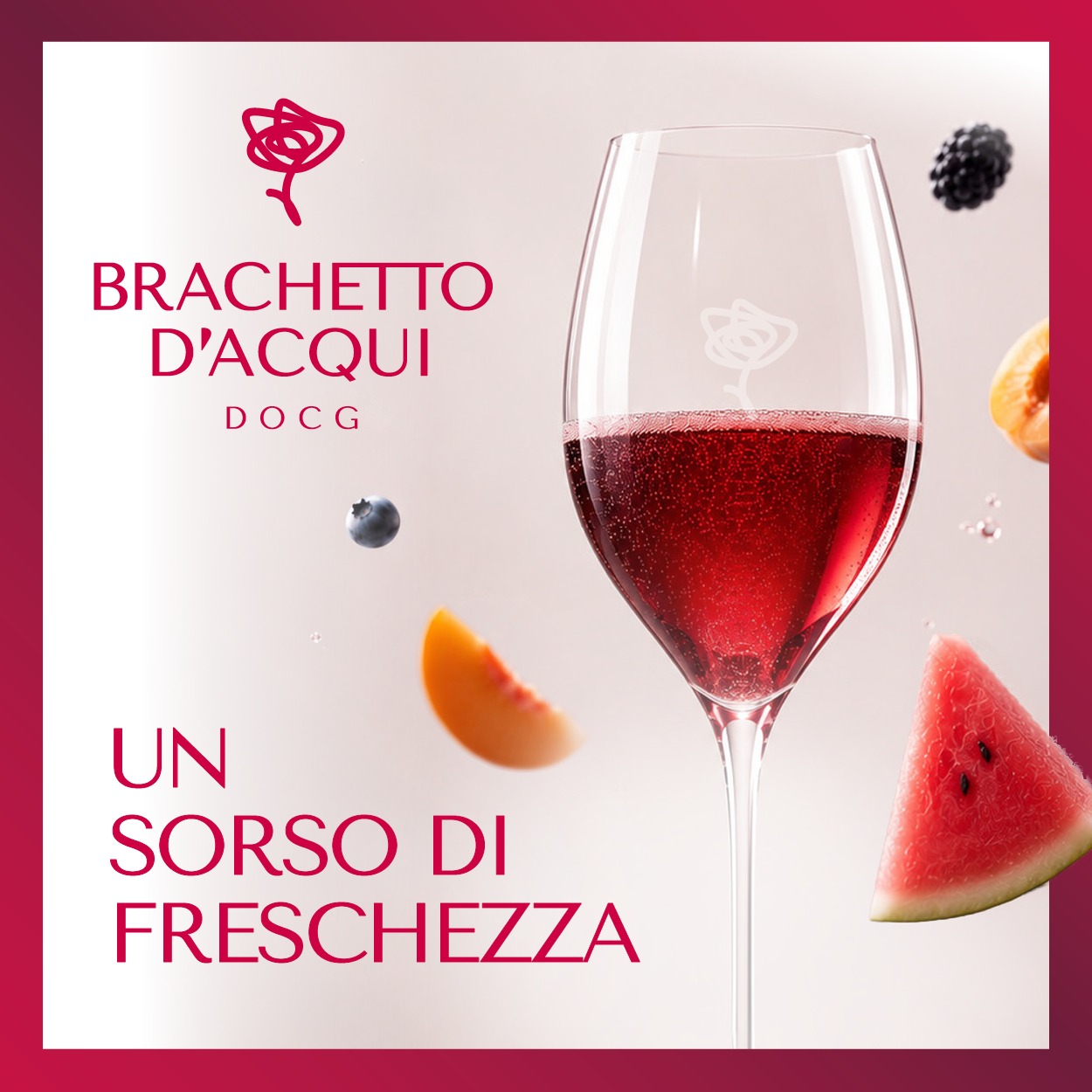
This is why the growth of flavored wines – often regarded with condescension by part of the industry – is perhaps the most uncomfortable and useful lesson available. SevenFifty Daily describes a category growing because it speaks a simple language: peach, mango, watermelon, pineapple, chili. No liturgy, no code to decipher. Many of these products are sparkling, low-alcohol, easy to drink, close to the RTD aesthetic, and capable of reaching younger or simply less ideological consumers. Between 2019 and 2025, flavored sparkling wines grew at a CAGR of 25%, while wine overall retreated.
Here lies the core point: the consumer has become secular. They do not ask permission from the custodians of tradition. They do not divide the world into sacred categories: real wine, easy wine, cocktails, RTDs, low alcohol, sparkling, flavored. They move between occasions. They might buy a flavored wine for the beach, a Sauvignon Blanc at a restaurant, a ready-to-drink cocktail for a party, and an important bottle for a dinner. They do not experience this plurality as a contradiction. They experience it as freedom.
The industry, on the other hand, too often continues to experience it as a threat.
This is the biggest mistake. Because the success of RTDs, flavored wines, fresh whites, accessible sparkling wines, and more flexible formats does not mean wine must renounce itself. It means wine must stop speaking only to those who already understand it. Simplification is not dumbing down. It is access. It is removing friction. It is making the promise clearer.
Italian wine, in particular, should listen to these signals carefully. There is an extraordinary wealth of territories, grape varieties, denominations, and styles. But that same richness, if left untranslated, can become noise. Facing a more selective, more curious, yet also more disenchanted American consumer, simply saying “it’s authentic,” “it’s historic,” “it’s premium” is no longer enough. The message must convey why to drink it, when to drink it, with whom, at what price, and with what experience.
The future will not reward those who shout their complexity the loudest. It will reward those who know how to make it desirable.
This does not mean chasing every trend or turning wine into a flavored caricature of itself. It means recognizing that product-centricity alone is no longer sufficient. The occasion matters. The format matters. The message matters. The ease with which a consumer understands that this wine is for them, right now, matters.
Azur puts it plainly: wine must meet consumers where they are, create more accessible entry points, let format follow occasion, and rethink wine’s role as a social connector. That may be the most important sentence in the whole report: wine must not only defend its category – it must reconquer occasions.
The question, then, is not whether American wine – and by reflection, global wine – will return to its former market. It will not. The question is who will have the courage to interpret the new one.
Because the consumer is not less sophisticated. They are less patient. Not less interested. More free. Not against wine. Against everything that makes wine distant, complicated, self-referential.
The real challenge is not convincing them that wine is important. It is showing them that wine is still relevant.
Key points
- US wine on-premise sales fell 2.1%, while RTDs surged 32.5% – a cultural power shift.
- Consumers want four things: Format, Function, Flavor, and Financial value, not tradition alone.
- Flavored sparkling wines grew at a 25% CAGR between 2019–2025, proving simplicity drives growth.
- Today’s consumer is secular: they move freely across categories and occasions without contradiction.
- Italian wine must translate its richness into accessible, occasion-driven messaging or risk becoming noise.