Paola Cielo discusses Cielo e Terra’s mission to make wine a tool for inclusion, focusing on sustainability and human connections. Operating as a B Corp, the company promotes transparency through its packaging and sustainability reports. The meticulous restoration of Villa da Porto “La Favorita” marks a strong commitment to wine tourism and local community engagement.
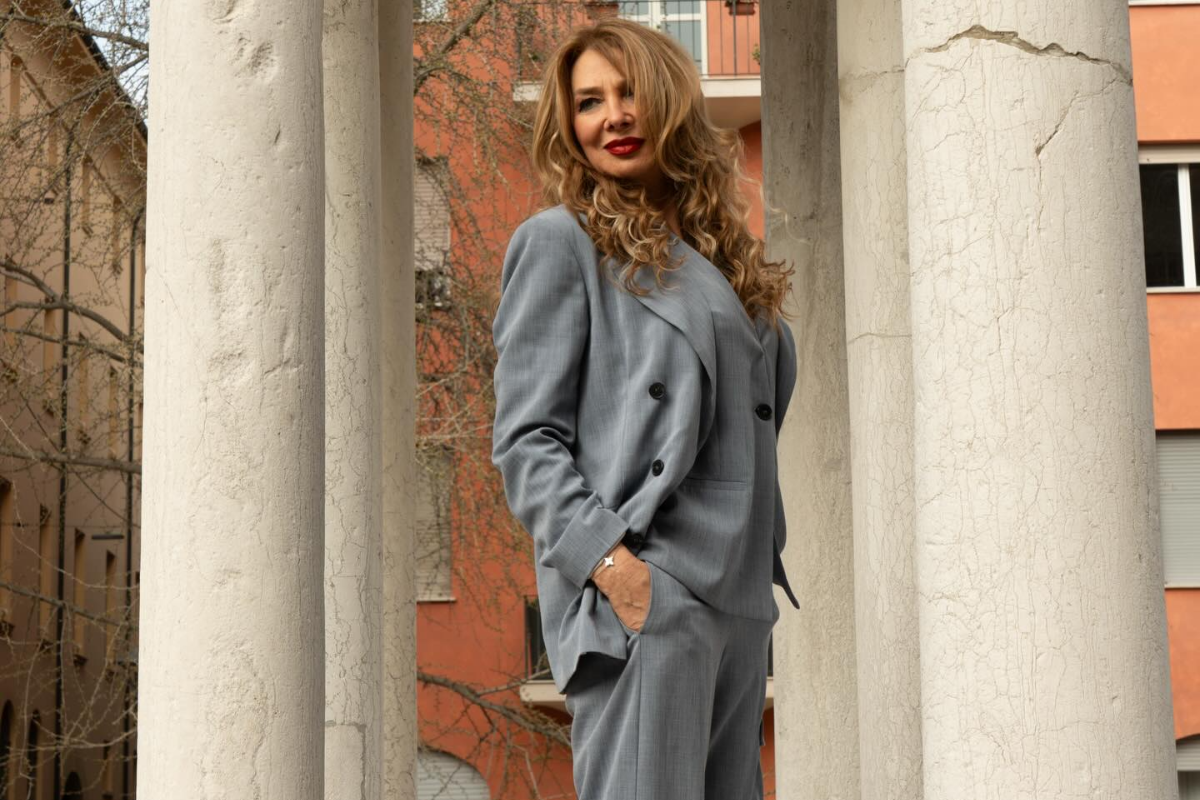
In the contemporary wine landscape, where the storytelling of the product often risks slipping into technicalities for insiders or into a purely aesthetic narrative, Paola Cielo’s approach stands out for its disarming human concreteness. As the Communication, Public Relations and Events Manager of Cielo e Terra, Paola outlines a corporate vision where wine ceases to be an elite commodity and transforms into a powerful vector of inclusion.
From the choice to operate as a B Corp and Benefit Corporation to the architectural and cultural bet of Villa da Porto “La Favorita”, the interview reveals a strategy that focuses on the three dimensionality of the encounter. It is not just about selling labels but rather about building a community around solid values like the transparency of the sustainability report, the education of young consumers and the rediscovery of the physical bond with the territory.
In these insightful answers emerges the portrait of a company that embraces the future, facing it with the wisdom of those who know that an authentic human relationship is worth far more than a thousand virtual calls.
Will you use Villa da Porto “La Favorita” for both buyer clients and consumers, or will you open the doors to everyone?
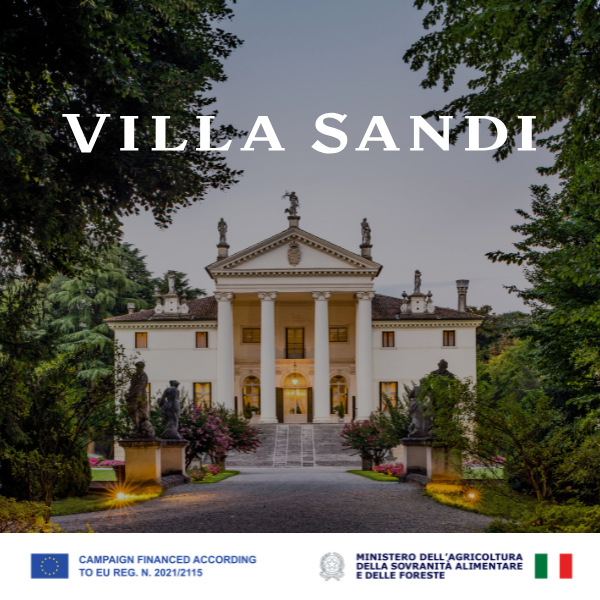
Absolutely yes. We have already tested the hospitality with the “Open Villas” initiative. Even though the structure had been closed for some time, 400 people arrived, an unexpected number that almost caught us unprepared. Now, after two years of meticulous restoration that brought beautiful frescoes to light, the curiosity is truly immense.
The villa will therefore have a significant dual purpose for our business. It will host our commercial offices on the top floor, integrating daily corporate life directly with wine tourism and various cultural events. It will be a vibrant and living place, completely open to anyone who wants to know us.
Regarding the organization of fairs and events, have you seen substantial changes in recent years? Do fairs continue to represent a relevant moment for you or not?
Yes, trade fairs remain fundamentally important exactly for that human contact I mentioned earlier. Sitting at the table together allows us to establish a relationship of trust that the digital world will never be able to replicate. From a purely commercial point of view, they represent crucial and highly productive moments. At Wine Paris and Vinitaly our teams are constantly busy.
The fair is the ideal place where you can breathe the true atmosphere of the market, actively perceive its positive or negative signals and, above all, meet new potential partners in a highly dynamic context. These events remain strictly essential for our continuous growth.
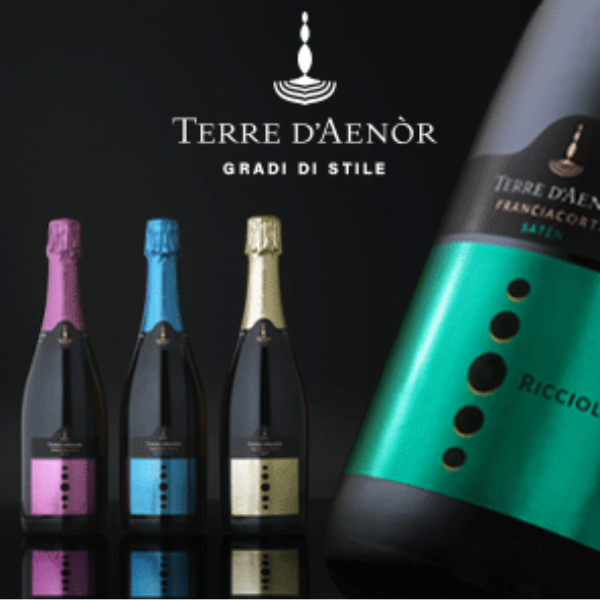
The brand identity of a B Corp company must convey trust. How do the visual communication and packaging of your wines reflect this pact with the consumer?
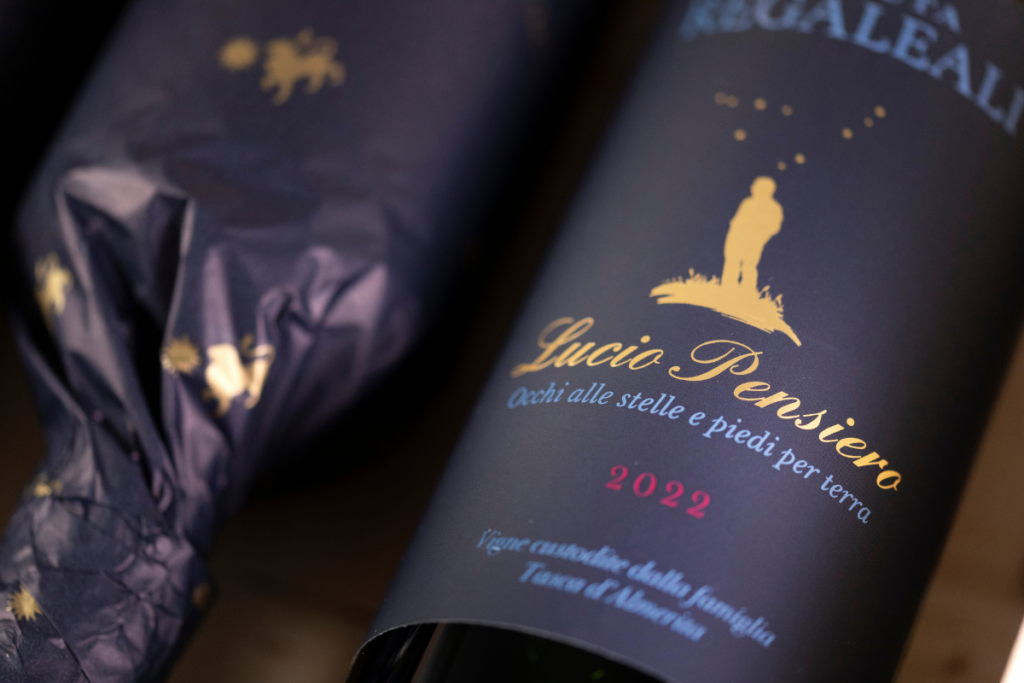
Our absolute keyword is transparency. We communicate it directly on the back label through a QR code that links to the sustainability section of our website, where the complete sustainability report can be freely consulted. We also organize events like the “Green Week”, which for years has involved students from all over the world, becoming a formidable driver to transmit our core values.
Being a Benefit Corporation means having proactively modified our statute to formally guarantee the wellbeing of people and the environment. Far from being merely marketing, it represents a strict statutory commitment that offers a concrete guarantee of seriousness and transparency to those who choose our wines.
You have committed to wine tourism with the investment in Villa da Porto “La Favorita”. From your point of view, is there a willingness in your territory to collaborate among different wine realities or do you notice a certain fragmentation, typical of the Italian productive fabric?
Honestly, for us this is still a very young project and we are just approaching it right now. I know several neighboring realities and I am on excellent terms with owners of nearby businesses, but they are often structures focused exclusively on events and weddings.
Regarding a structured collaboration specifically focused on wine tourism, I do not have a clear vision yet. It remains an open dialogue that we still have to initiate and build over time with our esteemed colleagues operating in the territory.
Key points
- Wine becomes a powerful tool for inclusion and social sharing rather than an exclusive elite product.
- Operating as a B Corp ensures verifiable transparency and a firm commitment to environmental and social wellbeing.
- The restored Villa da Porto blends daily corporate activities with engaging wine tourism and cultural events.
- Trade fairs remain essential for building irreplaceable human relationships and understanding dynamic market trends.