Alberello is one of the Mediterranean’s oldest vine training systems, still widely used in western Sicily. Once seen as outdated, it is now valued for its ability to protect grapes from heat and drought. Cantine Birgi combines it with modern methods like Guyot, choosing the best system for each plot of its vineyards.
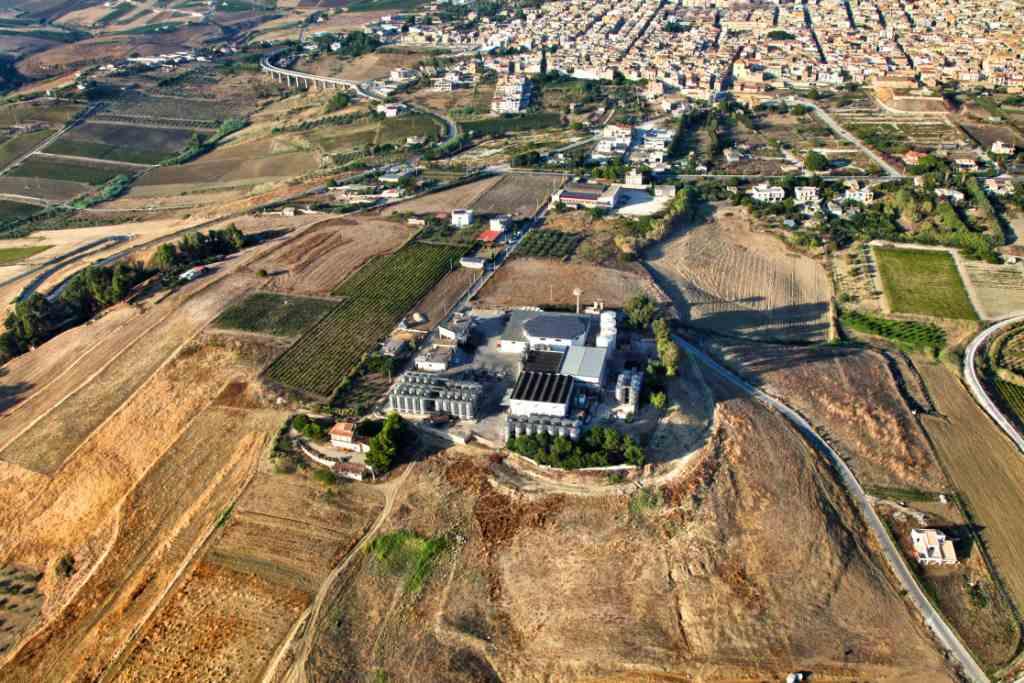
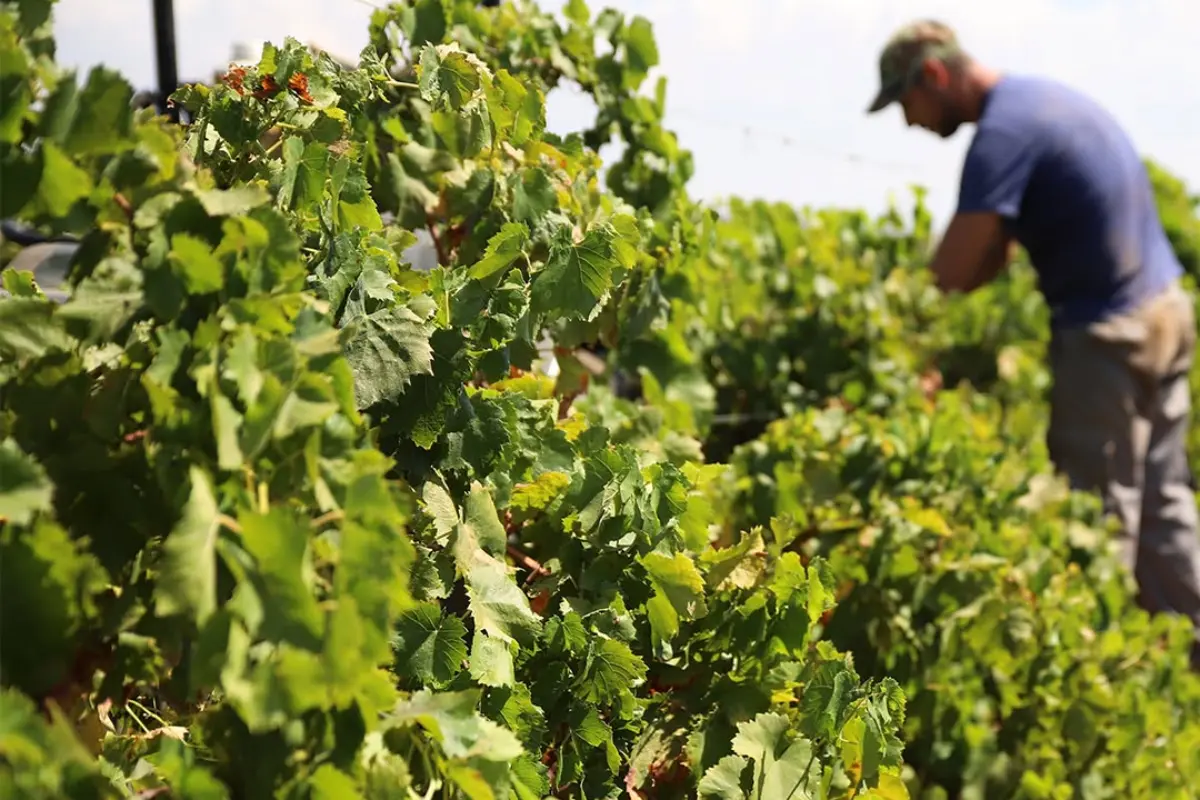
Anyone who has driven through the countryside of western Sicily in summer knows that landscape: low, short vines, almost crouched on the dry, sandy soil, seemingly trying to escape the vertical July sun. This is the alberello, one of the oldest training techniques in the Mediterranean, probably introduced by the Phoenicians and perfected over the centuries by winegrowers who understood the land better than many modern agronomists.
Today the alberello is back in fashion, for one precise reason: it works. In conditions of extreme heat and water scarcity, the low bush shades itself, creating a microclimate that protects the bunches from sun scorch and reduces evapotranspiration. The shoots lean against one another, forming a kind of natural dome that filters light and keeps the internal temperature cooler. Much less irrigation is needed because the roots, constrained by the plant’s low profile, go deep in search of residual moisture.
Yet the alberello also has its limits, and in the vineyards of Cantine Birgi it coexists with more modern systems. “We do not use a single system,” explains winemaker Giuseppe Figlioli. “We adapt the training form to the microzone, the soil, the variety. Guyot works well in certain areas, alberello in others. The goal is not tradition for its own sake, but getting the most out of every plot.“
This mixed approach reflects a mature agronomic vision: no dogmatism, toward either the old techniques or the modern ones. The viticultural zoning that Cantine Birgi has developed, systematically distinguishing the coastal strip from the inland one, allows these choices to be made plot by plot, with full knowledge of each site, instead of applying universal solutions.
The result is visible in the wines: an aromatic complexity that is difficult to achieve with young vines and intensive training systems; a more refined tannic structure; an acidity that holds up well even in hot vintages. These are characteristics that the international market, often used to correct and predictable wines, is learning to appreciate.
The alberello, after all, never disappeared. It had simply become less visible. Now it is returning to the centre, and not out of nostalgia.

Key points
- Alberello is an ancient Mediterranean training system that creates a natural shaded microclimate against heat.
- The low bush shape pushes roots deeper, reducing the vineyard’s irrigation needs.
- Cantine Birgi combines alberello with modern systems like Guyot, chosen plot by plot.
- Precise vineyard zoning lets the winery match training methods to soil, microzone and variety.
- The result is wines with greater aromatic complexity, refined tannins and acidity that resists hot vintages.