NielsenIQ data presented at Milano Wine Week show wine volumes falling by 3.6% while the average price rises 1.6%. A higher average price can reflect higher price lists or a shifting mix of wine types, so premiumization needs careful reading. Sparkling wines grow at stable prices, and on-premise service shapes the choice of a glass.
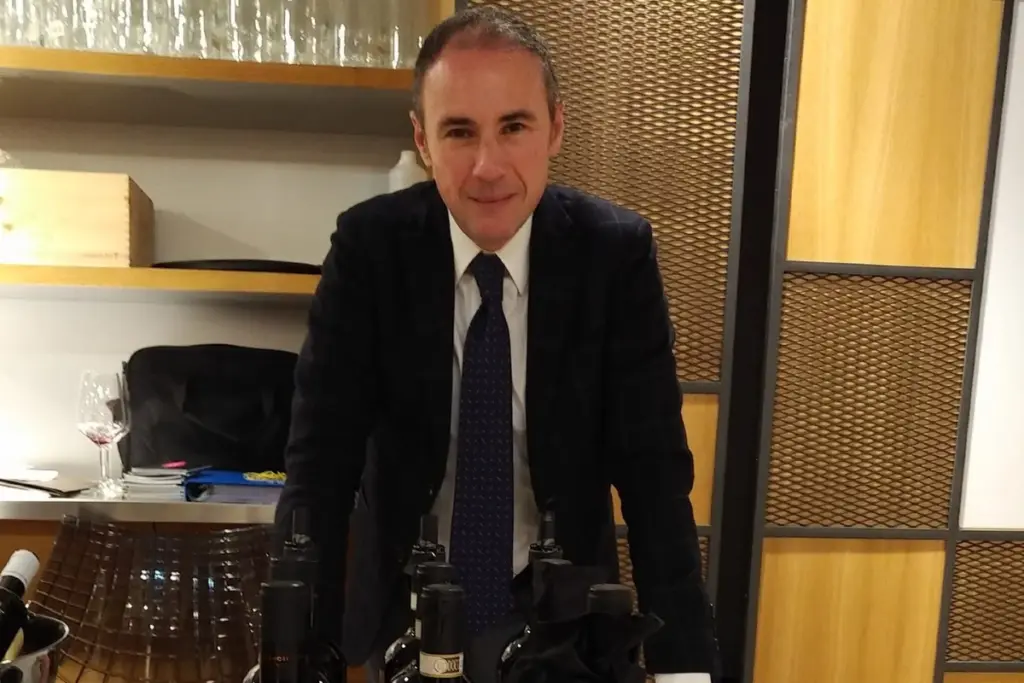
An average price that rises while liters sold decline may depend on higher price lists or on the greater weight of certain types in purchases. The data presented by Eleonora Formisano and Matteo Fortarezza of NielsenIQ at Milano Wine Week invite us to question the sector’s own words as well. Starting with premiumization, which risks becoming a good answer to any question.
NielsenIQ’s retail survey for the year ending 23 August 2026 records about 3.1 billion euros in sales and 713 million liters for wine, sparkling wines and Champagne: down 1.3% in value and down 2.8% in volume. The figure covers the monitored distribution channels. In wine alone, excluding sparkling wines and Champagne, the decline is sharper: down 2.1% in value and down 3.6% in volume.
The average price rises 1.6%, to 3.81 euros per liter, without offsetting the loss of liters sold. Selling less at a higher average price can contain a loss, but it does not automatically certify a stronger relationship with the public.
Sparkling wines and Champagne, instead, grow by 1.1% in value and 1.4% in volume, with an average price of 7.05 euros per liter, slightly down by 0.3%. Here demand increases at substantially stable prices.
Charmat dry is indicated in the talk as a segment close to 70% of the category’s turnover. Its presence on spring and summer occasions helps reduce the concentration of sales on the holidays. Widening the moments in which a bottle is chosen can be just as important as improving its price positioning. Metodo Classico grows by over 6% in value and over 9% in volume. Here too, then, volumes increase more than turnover.
Averages, moreover, risk hiding decisive differences. In Puglia, sales show difficulties, while wines originating from Puglia grow: place of purchase and product origin are two different readings. And within a declining region there can be areas and retail banners that grow. For a winery, the data serves to understand where to intervene, with what offer and for which audience. Stopping at the plus or minus sign reduces its commercial usefulness.
In out-of-home, 41% of respondents expect to spend less on lunches and dinners. In a different question, eating out is the activity that 44.1% indicate when thinking of something to treat themselves to. The pleasure of going out remains, while the budget requires more careful choices. The increase in consumption points also concerns mainly accommodation and businesses such as ice cream shops and rotisseries, while bars and restaurants slightly reduce their presence. More establishments do not automatically mean more opportunities for wine.
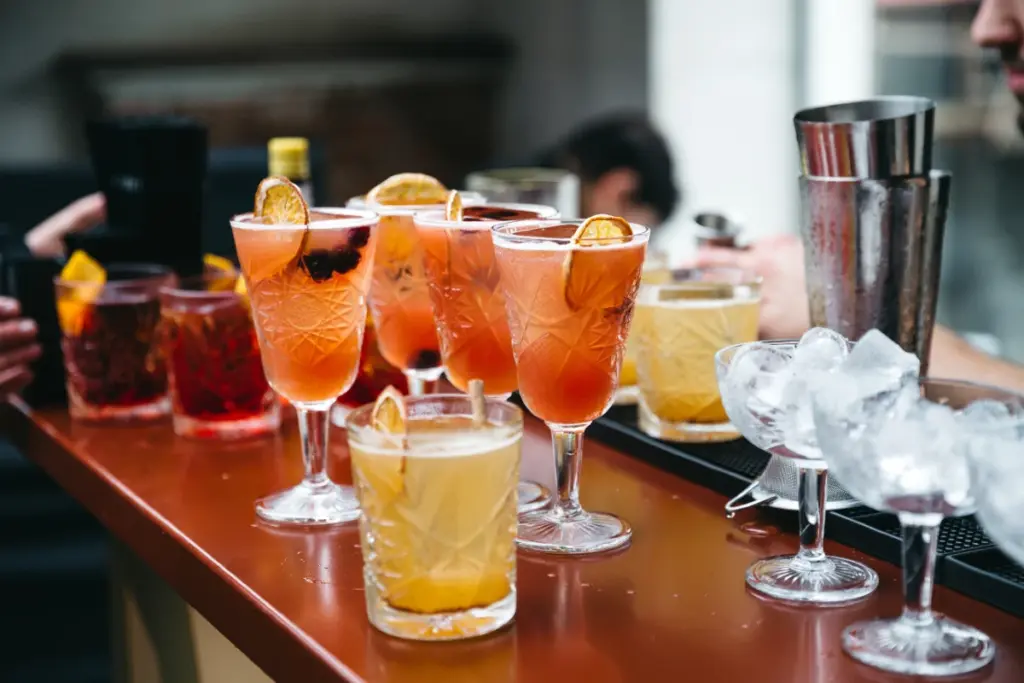
We therefore consider the offer in the dining room decisive. A well-curated by-the-glass selection, understandable entry prices, a readable wine list and advice that does not intimidate can help people approach a wine and understand why it is worth the price asked. The storytelling of the territory gains strength when it accompanies a good choice for that customer, at that moment.
The greater interest of young people in winery visits, recalled at the forum in comparison with two years earlier, invites us to take care of direct contact with places and people. For us it is one more reason to ask how much space we leave to the curiosity of those who approach, before proposing everything we would like to teach them.
We would like the next discussion on premiumization to start also from that very concrete moment in which a person opens the wine list, looks at the prices and decides whether to order a glass. Or something else.
Key points:
- Wine volumes fall 3.6% while the average price rises 1.6% to 3.81 euros per liter.
- A higher average price can come from higher price lists or a shifting mix of types.
- Sparkling wines and Champagne grow 1.4% in volume at a stable average price of 7.05 euros per liter.
- Averages hide differences between purchase location, product origin, regions, areas and retail banners.
- The on-premise offer matters: clear wine lists, accessible entry prices and approachable advice help a customer order a glass.