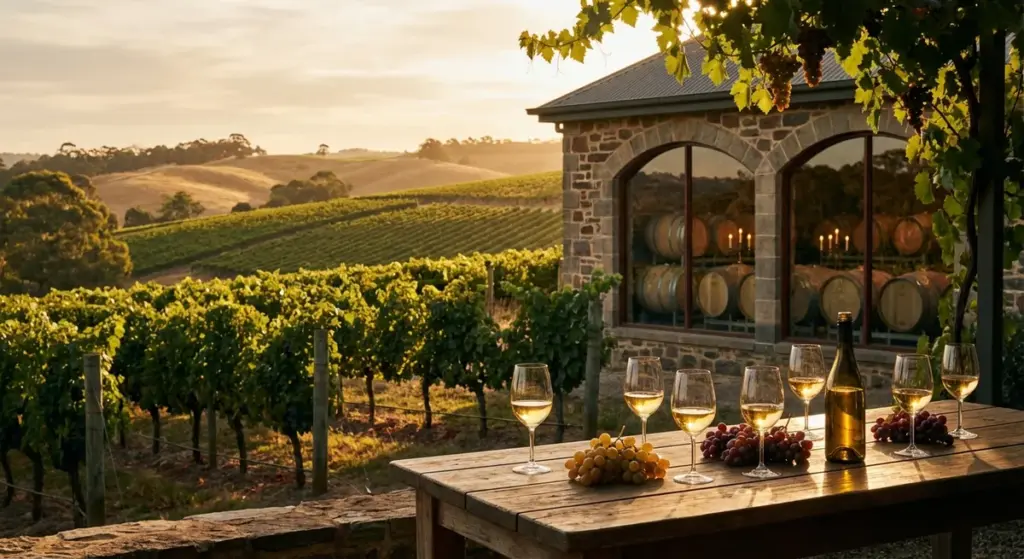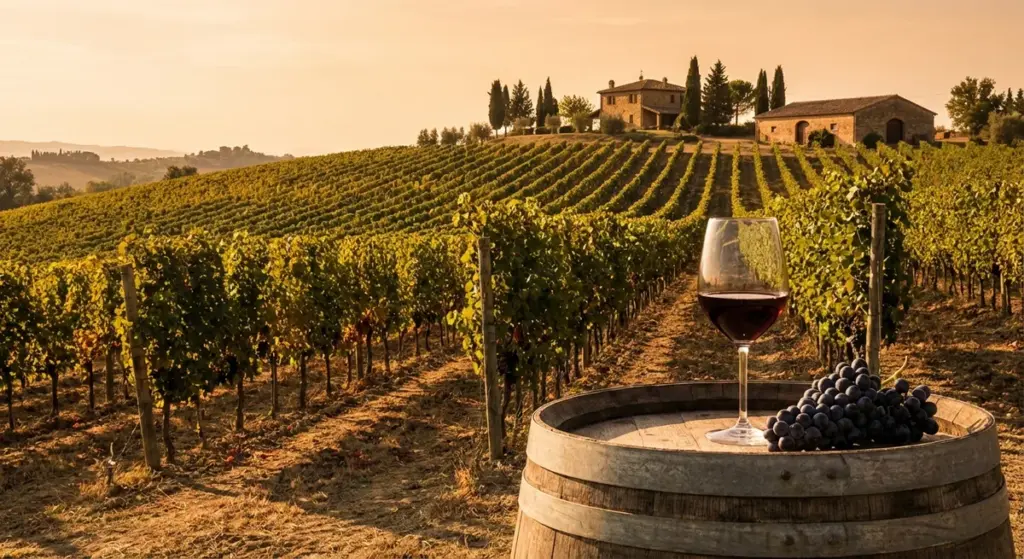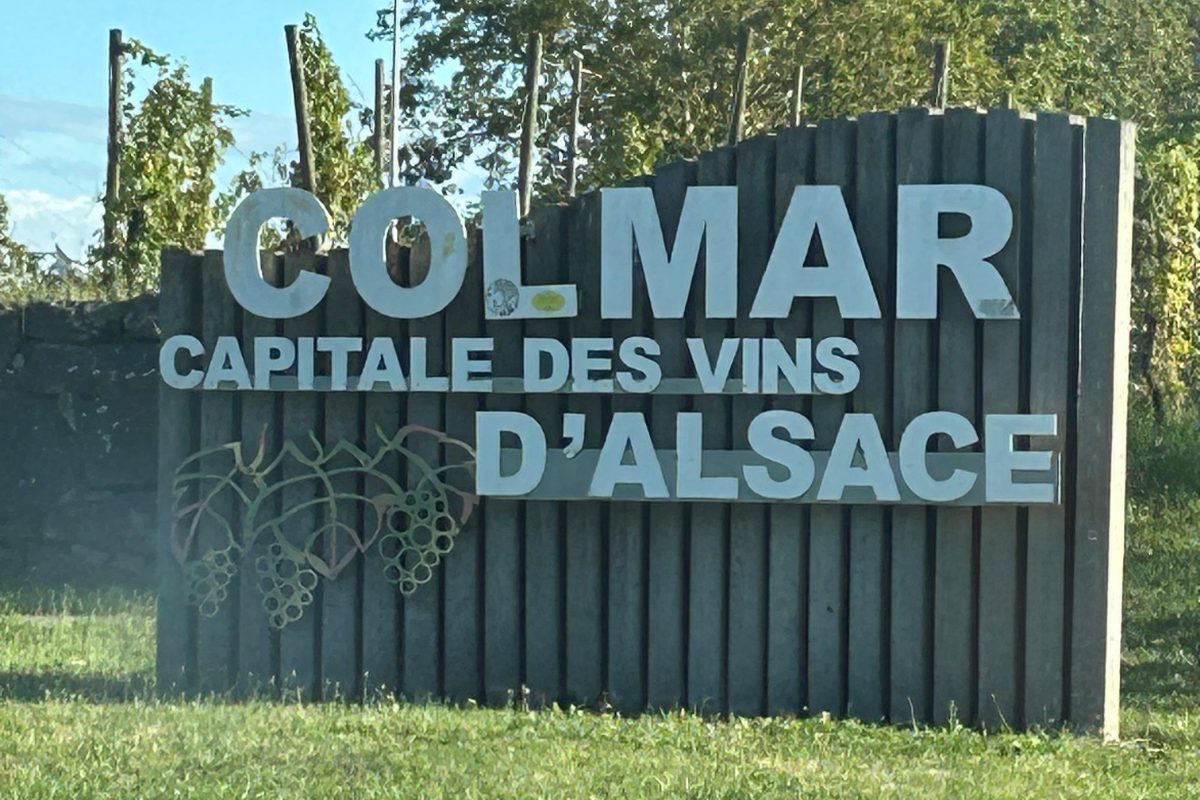
Alsace showcases the success of wine tourism, sustaining 750 wineries where 50% of sales come from direct-to-consumer strategies. The constant presence of wine across the region highlights its economic and cultural significance, providing an inspiring model for simplifying producer-consumer connections.
We are in the middle of our summer Wine Tour, which this year has taken us to beautiful Alsace. This winter, we’ll have an extension of our traditional oenotourism tour in Australia, where we hope to gather more experiences and ideas to apply to our winemaking system.
My initial thoughts on this Alsatian experience are divided into two categories:
- The Alsatian wine market
- The development of wine tourism in Alsace
The Alsatian Wine Market
Let’s start with the market, in a phase where everyone in the wine world is particularly concerned about the decline in consumption.
Even in Alsace, I sense concern among producers, but with one important distinction: they are aware of their strong advantage—direct sales.
In Alsace, there are more than 750 wine companies, including vignerons, cooperatives, and négociants. Over 50% of their revenue comes from direct sales at the winery. Among small to medium producers, this percentage is even higher, with some relying entirely on on-site sales.
This is an extraordinary result stemming from several factors, starting with a territory where everything speaks of wine, and where wine is the primary tourist attraction.
The Development of Wine Tourism in Alsace
According to data from the Alsatian tourism authority, over half of the 7.7 million tourists visiting Alsace annually do so for wine-related reasons.
And they are right because, through wine, they discover one of the most beautiful and well-preserved French regions, rich in history, with exceptional villages such as Colmar and smaller gems like Riquewihr, Hunawihr, Ribeauvillé, and Bergheim.
In Alsace, wine is omnipresent, a significant added value that allows visitors to understand, effortlessly, that they are in a region where wine is a key product, vital for both the economy and the image of the area.
If I compare this to our wine territories, how many of them manage to clearly and immediately convey their viticultural identity? Many believe putting up a sign here and there is enough to make visitors realize they’re in a wine region.
In Alsace, the reference to wine is constant, thanks also to the presence of winery stores in many towns. Would it be so difficult to increase the number of wine shops representing wineries in at least a few of our wine capitals?
The Alsatian example is invaluable here because it’s the wineries making themselves more accessible to visitors. In many of our appellations, finding a winery feels like a treasure hunt.
Bridging the gap between wine and consumers seems crucial today. Certainly, wine tourism is an essential strategy, but to fully capitalize on its potential, it is necessary to simplify the relationship between producers and customers.
Believe me, this is a key challenge for the future of wine, which too often seems distant from consumers—both physically and mentally.
More detailed comments on our Alsatian experience will follow shortly.
Key Points
- Over 50% of Alsatian wine is sold directly at the winery, ensuring economic stability for 750 producers.
- Wine tourism drives half of the 7.7 million visitors to Alsace annually, blending culture and economy.
- Alsace integrates wine into daily life, offering a clear model for promoting viticultural identity.