Casale del Giglio continues to grow in the global wine market, leveraging both native and international grape varieties. With a strong presence in key markets like the USA, Germany, and Japan, the company remains committed to sustainability and quality. This article explores its strategic vision, market performance, and award-winning wines, offering insights into its long-term success.
Over the years, Casale del Giglio’s product portfolio has reached significant variety: around twenty labels, considering both native grape varieties, which the company has promoted and introduced to the national and export markets, and a significant assortment of international grape varieties, which are gaining increasing market shares compared to their foreign counterparts.
Casale del Giglio wines are present in all areas of the world, from Europe to America, from Asia to Africa. The company is therefore well-positioned to serve as a significant observatory on the trends shaping the global market at this moment.
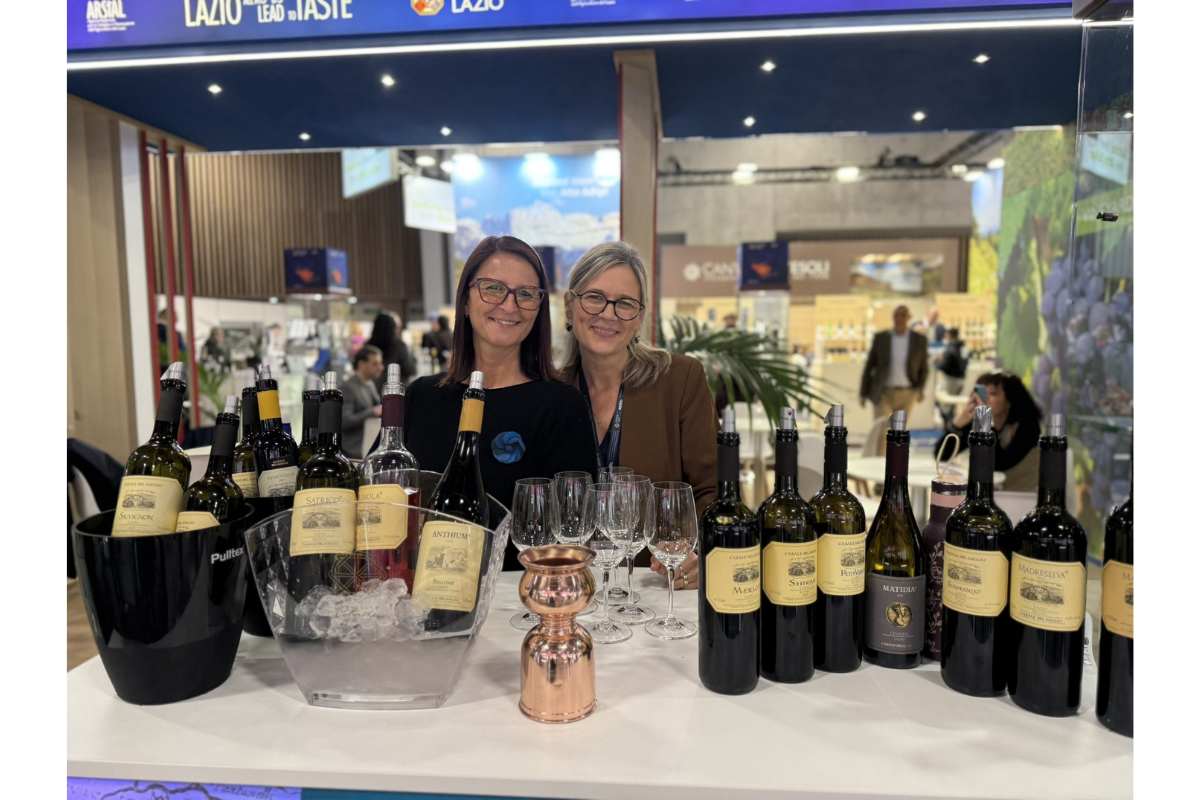
The authenticity of Casale del Giglio’s native grape varieties has allowed them to gain more and more space compared to international ones. This success is the result of the great commitment of winemaker Paolo Tiefenthaler, who has worked in Le Ferriere, in the Agro Pontino, for almost 40 years alongside the Santarelli family and in close synergy with the rest of the team. Several key team members have been with the company for many years: at the recent Wine Paris event we had the pleasure of seeing Linda Siddera, head of hospitality, and Elise Rialland, export manager.
Among the native grape varieties, Bellone stands out, cultivated in an ungrafted vineyard on the beach of Anzio, giving rise to two highly successful labels: Anthium, which this year earned the prestigious “Tre Bicchieri” (Three Glasses) award from Gambero Rosso and 97 points from Decanter, and Radix, a complex and elegant interpretation of the variety that has won numerous awards, including the “Quattro Tralci” (Four Vines) from the AIS Vitae Guide, 94 points from James Suckling, and the “Cinque Grappoli” (Five Grapes) from Bibenda.
“Even in the field of international grape varieties, Casale del Giglio’s labels continue to gain ground in markets worldwide. The market is growing tired of standardized wines, and our single-variety international expressions, such as Chardonnay and Cabernet Sauvignon, are performing very well in the United States. The central Italian sun gives them strength and structure, while the marine climate and its breezes add freshness and aromas. It is emblematic to mention that our company’s flagship wine, Satrico—a perfectly balanced blend of Chardonnay, Sauvignon, and Trebbiano Giallo—is so appreciated for its style and purity that it has become somewhat iconic for us. This year, it won the Gold Medal at the AWC Vienna and the Grand Gold Medal at the Concours Mondial de Bruxelles.”
These are the words of Elise, with whom we take a virtual tour of Casale del Giglio’s main markets to understand the company’s perspective on local market dynamics.
United States, full speed ahead: “In the USA, we have 7-8 importers across different states. The market is holding strong, and we are pushing with tailor-made strategies. Now that our brand has been established, we aim to gain recognition from the most prestigious venues, which we have always approached cautiously. The time is now right—we are aware of our leadership.”
Germany, optimism: “After the decline recorded last year, we are finally feeling a wave of positivity. Germany is the world’s second-largest market for Italian wine, and it represents a significant portion of Casale del Giglio’s foreign sales. We are confident in the potential of this market for our wines.”
China, maintaining presence: “The past two years have been very difficult; the long shadow of COVID-19 led to complete lockdowns in Beijing, though the impact was fortunately less severe in Shanghai and Shenzhen. We expect a recovery in 2025, fully aware that a lot of consumer education needs to be done. Wine remains a status symbol in China, and we intend to maintain our brand’s appeal in this market.”
Japan, loyalty: “Last year was really positive; results were excellent. Italian culture is highly appreciated in various aspects, from opera to gastronomy, and wine benefits significantly from this. Japanese consumers are knowledgeable, pay attention to raw materials, have a developed sense of smell, and are willing to pay a premium for high-quality wine.”
Thailand, Taiwan, South Korea, patience: “These are markets where we want to gain ground, but we are aware that significant effort and persistence are required.”
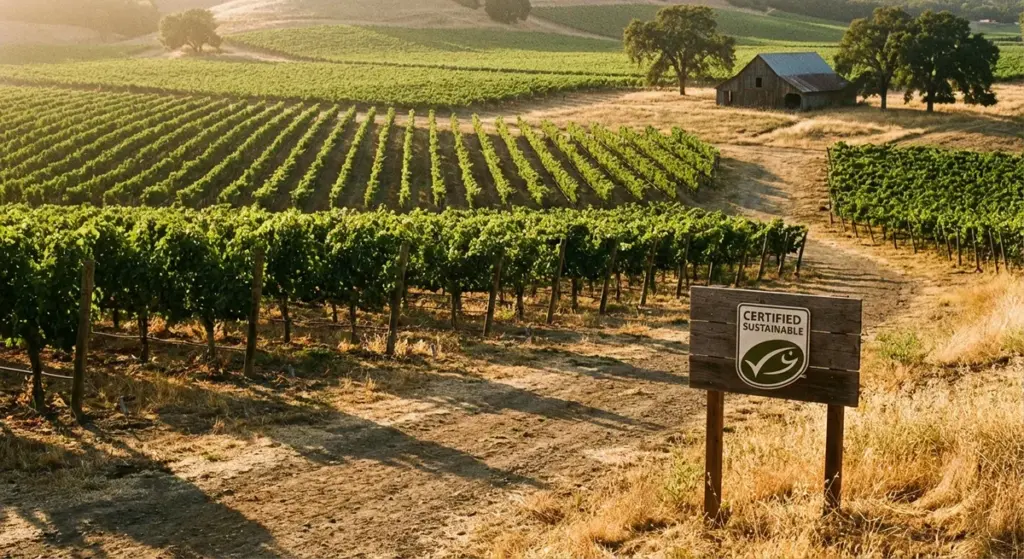
Monopoly markets, a challenge: “We put in a lot of effort with tenders, but it is not easy to establish ourselves, as many are regionally based, making it difficult for Lazio wines to find an opening. However, obtaining the Equalitas certification was a strategic milestone in our long journey toward sustainability and a crucial step forward in our strategy for approaching monopoly markets.”
Key points
- Casale del Giglio expands globally with native and international grape varieties, achieving strong market penetration.
- Key wines like Bellone-based Anthium and Radix earn top awards, strengthening brand recognition.
- The USA, Germany, and Japan drive export growth, while China and emerging Asian markets require long-term strategies.
- Sustainability efforts, including Equalitas certification, enhance credibility in regulated monopoly markets.
- The brand aims for high-end venues, reinforcing its premium positioning worldwide.