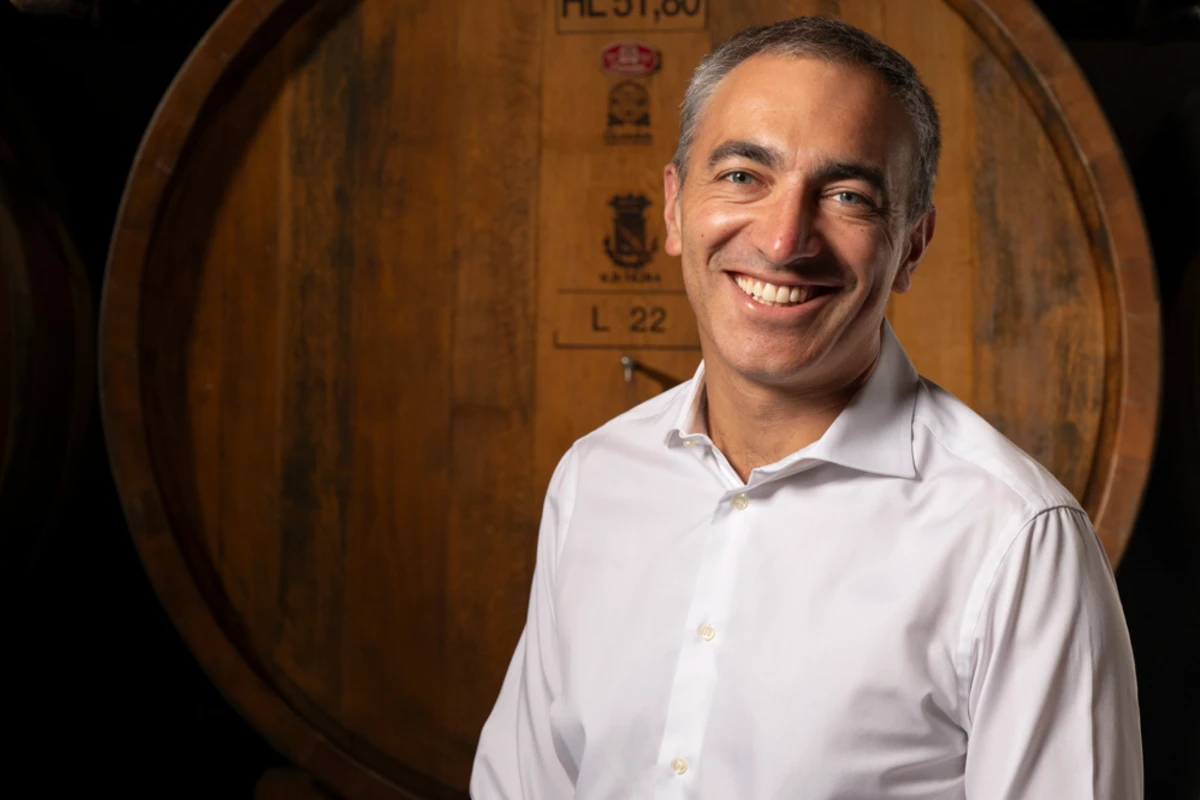
Giuseppe Vaira introduces “Via dei Sogni” at Vinitaly 2026, transforming traditional wine exhibitions into collaborative spaces for growth. This innovative project prioritizes human connections, scientific research, and environmental awareness over mere commercial goals. Vaira invites the wine sector to embrace shared values, fostering a sustainable and deeply human approach to future industry challenges.
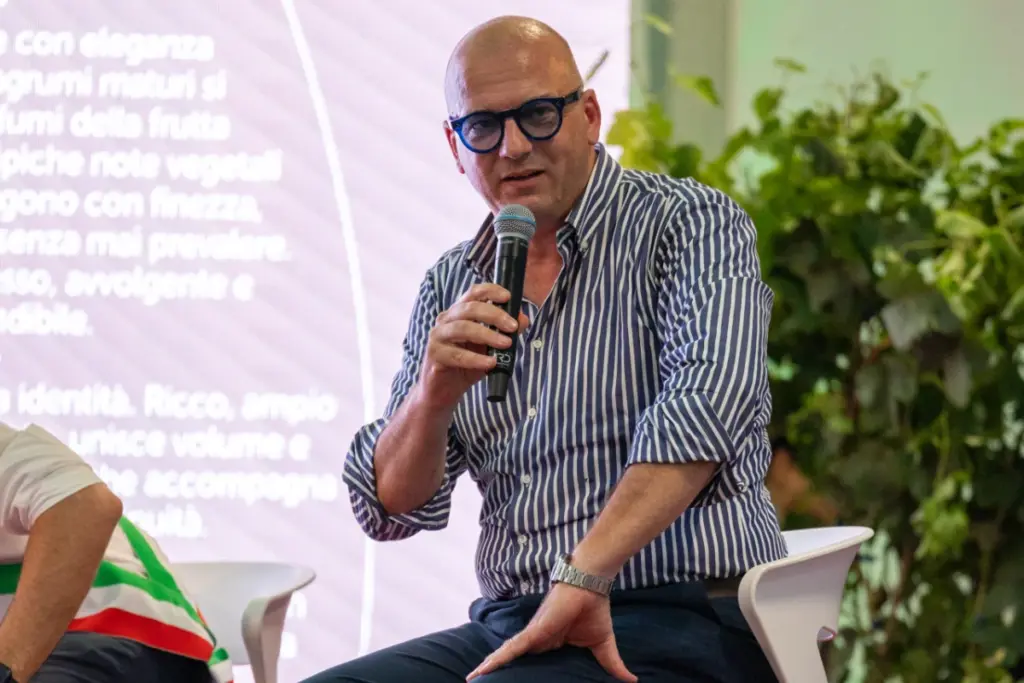
In an era where the success of an exhibition is often measured by the density of commercial contacts and the millimeter-perfect occupation of exhibition spaces, the choice made by G.D. Vajra at Vinitaly appears as an act of revolutionary kindness. Through the words of Giuseppe Vaira, winemaker, oenologist and representative of the company’s second generation, a vision of viticulture emerges that goes beyond the glass. This vision expands into a rich ecosystem of relationships, science and memory.
The “Via dei Sogni” project represents a stronghold of concreteness where climate change, the protection of historical vineyards and research find a common home. In this interview, Vaira guides us beyond the perimeter of the company stand to explore a new model of wine politics. It transforms the competitor into a traveling companion who strives together towards the same goal. It is an invitation to rediscover beauty as an engine for collective growth.
This approach manages to restore the most authentic and human dimension to the wine sector. In a frantic and hyper-competitive context like Vinitaly, where every square centimeter has a high commercial value, you have chosen to give up space. What was the main input that pushed you to open the stand to synergies and create the conditions for a new type of exchange and fruition?
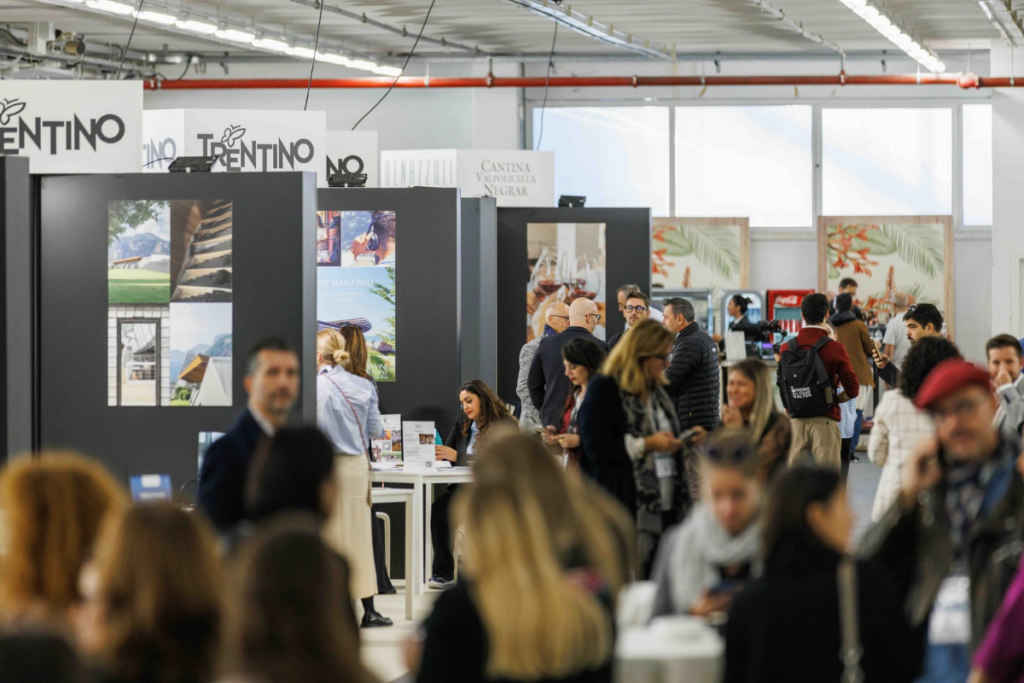
As the fair approached, a space adjacent to our stand became available. In our family, we thought it would be a good opportunity to create a new place for meetings, exchange and knowledge. In short, we wanted to build a true point of beauty.
The name “Via dei Sogni” evokes a dreamlike dimension. Yet, the topics covered, from climate change to the protection of historical vineyards, are extremely concrete. Is it a provocation or an invitation to take dreams in hand to give them a more pragmatic framework?
Yes, the name contains a provocation and a paradox, because the first moment, the first encounter with wine is always a very concrete fact, such as a memorable lunch, the taste of a certain bottle or a passed down passion. For us it is necessary to return to this origin. Therefore, a concrete experience of taste and encounter is the way to return to dreams, that is, to the ideal and the passion for wine. This is the wine politics that we can all do.
Pietro Russo MW defined this format as rare. In your opinion, why does the wine world still struggle so much to overcome personalisms to embrace a collective narrative? Let us not dwell too much on looking at the problems. There are subjects who are doing new and beautiful things in a spirit of openness, and we must support these new spaces.Then everyone can choose whether to stand in the bleachers to comment and perhaps criticize or make themselves available to these innovations.
Being the only Italian company in the Union des Gens de Métier puts you in a position of privileged observers. What have you brought from that international experience, made of friendship and passion, into the Vinitaly 2026 stand? The saying that whoever finds a friend finds a treasure is also correct in work. Being able to share the taste for our profession, the challenges and the discoveries is a source of continuous gratitude. We hope to soon be able to host other Italian realities in the UGM.
The collaboration with DISAFA, the Department of Agricultural, Forestry and Food Sciences of the University of Turin, brings scientific research directly to the fair. What is the aspect related to climate change that worries you the most as a winemaker and that found an echo during these meetings?
The greatest concern is not a single aspect, but the growing unpredictability, such as extreme seasons, sudden changes and rapidly shifting balances. For this reason, we believe that the sector must strongly support research to understand nature more deeply and find new answers and solutions without losing identity.
In your stand you also hosted The Old Vine Conference, an organization dedicated to protecting historical vineyards and creating a global category for old vine wines. In an era that runs fast and demands ready-to-drink wines, why is it vital to stop and protect old vines? What does an ancient vine teach a young producer?
The credit goes above all to my brother Isidoro, who is dedicating himself incredibly to support this initiative, as well as the Old Vine Registry. Old vines teach us respect, patience, care, acceptance and give us the emotion of seeing and tasting the fruits that derive from all these values.
You stated that beauty feeds on encounters, discoveries, taste and sharing. Was there a specific moment, during the four days of the last Vinitaly, when you caught a glimpse in the eyes of a visitor or a colleague of the proof that the format was working? I saw it in the eyes and embraces of those who greeted us after participating in our proposals.
Building a schedule of 29 events in 4 days is a massive organizational effort. Beyond the return on image, what remains for the Vaira family once the Vinitaly spotlights turn off? We brought joy, gratitude and new friendships with us. There remain encounters that continue even beyond the fair and the confirmation that, when an authentic space is opened, something good always returns to everyone.
The “Via dei Sogni” format has been defined as a legacy for the wine world. If this method became a shared standard in the fairs of the future, what could be the advantages for our sector? We are grateful for it, but we keep our feet on the ground.
If this spirit could expand as a new way of looking at and treating each other among colleagues, I believe it would lead to increasingly lively, useful and human fairs. They would be places not only for commercial exchange, but also for ideas, relationships and common growth. Ultimately, a sector truly grows when it knows how to compete without ceasing to collaborate, and the etymology of competitor recalls those who strive together towards the same goal. Let us treat each other this way, with new alliances.
If you could invite an impossible guest, a figure from the past or someone outside the wine world, to dialogue in the next “Via dei Sogni”, who would you choose and why? The list is too long, so for now let us concentrate on the possible invitations.
Key points
- “Via dei Sogni” redefines exhibitions by prioritizing human connections and shared knowledge over simple commercial spaces.
- Scientific research and climate change take center stage through valuable partnerships with academic institutions like DISAFA.
- Protecting historical vineyards teaches patience and respect, adding profound value to the modern wine industry.
- Transforming competitors into allies fosters a highly collaborative environment for mutual growth and continuous industry innovation.