Italy is the top wine tourism destination for international tour operators in 2026, yet it remains commercially difficult to book and sell. Winedering’s survey, presented at Vinitaly Tourism, reveals a clear gap: Italian wineries are deeply desirable but often lack the operational standards – online booking, English-speaking guides, transparent pricing – that B2B markets require to convert interest into revenue.
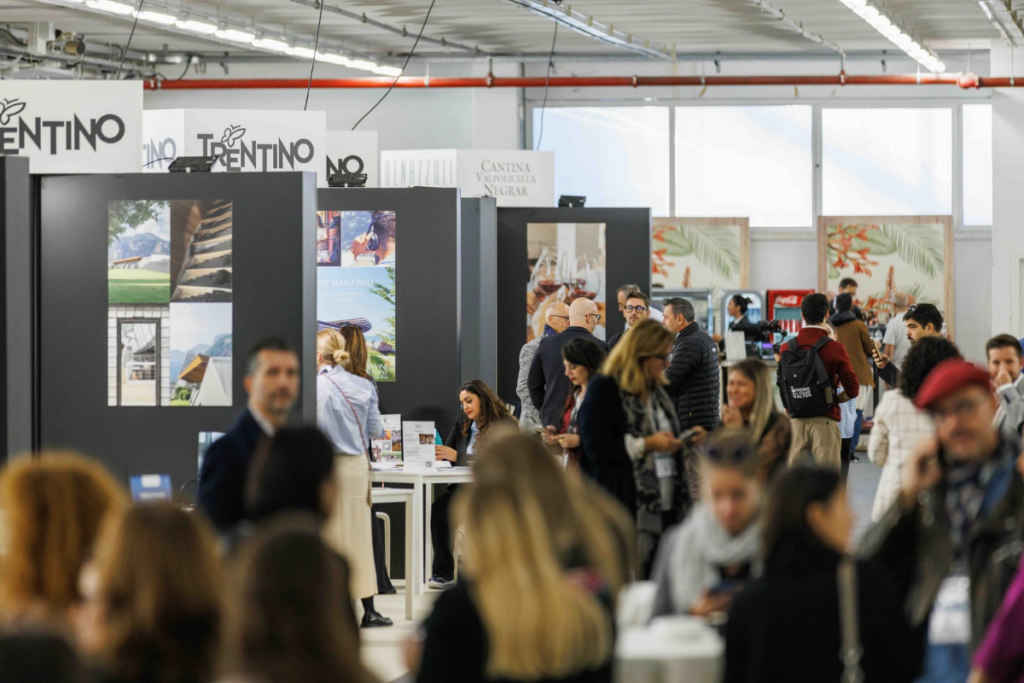
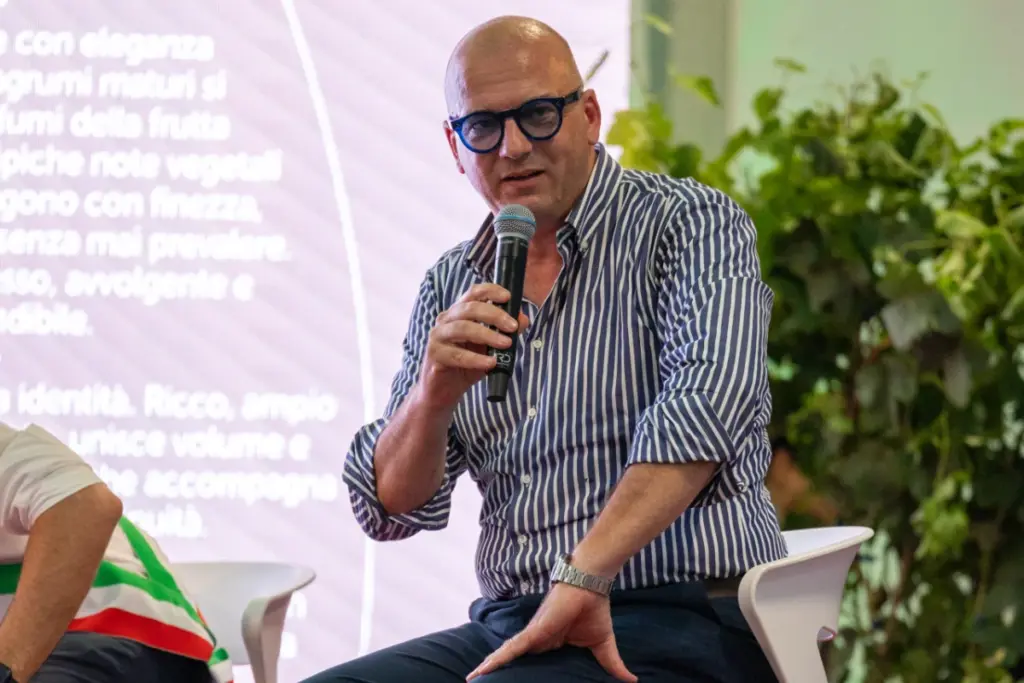
Italy continues to hold a privileged place in the international imagination. For tour operators, especially in high-yield markets like the American one, our country remains a reference destination, capable of combining wine, landscape, culture, gastronomy, and authenticity like no other. It is within this context that the presentation held at Vinitaly 2026 takes place — more specifically within Vinitaly Tourism, the section of the event dedicated to wine tourism, which this year hosted a packed calendar of conferences and meetings focused on wine tourism as a strategic lever for the sector.
From that stage, a contradiction emerged forcefully — one the sector can no longer ignore: Italy is deeply loved, but still too often difficult to purchase, organize, and distribute in a fluid way.
This is the core of the second survey, dedicated to the voice of tour operators and the trends reshaping B2B travel in 2025–2026. In this case, the survey was conducted by Winedering, bringing into the analysis the perspective of those who work daily in the intermediation and commercialization of wine tourism experiences toward international markets. This is a relevant element, as it allows the topic to be read not only from the supply side, but from the perspective of those who measure every day the real marketability of Italian wineries in the global market.
The first point to highlight is that the market context is favorable. The report references a global wine tourism market worth 46 billion dollars and growing at double digits, while Italy is described as an expanding destination both in terms of volumes and spending capacity generated. The document cites 15 million winery visitors in 2024 and 3 billion euros in spending, along with an increase in average winery spend and growth in direct sales at structured businesses. These figures indicate that demand exists, is growing, and is spending. The issue, once again, is the ability of the supply side to be ready, readable, and purchasable.
In this scenario, the most important customer is clearly identified: the American tourist. According to the data referenced in the presentation, Italy is the number one destination for American tour operators in 2026, while the United States also represents the leading source of foreign winery visitors. The profile of this demand is particularly interesting because it combines high spending, interest in tailor-made experiences, and growing attention to the luxury and privately guided segment. The American wine tourist is also described as more profitable than the average tourist, with a higher propensity to spend and strong potential for direct winery purchases.
Yet the most promising market is also the one that most clearly highlights the limitations of the Italian system. Tour operators are not asking for impossible transformations or hotel-chain standards. They are asking for minimum requirements, often elementary ones: language-fluent guides, at least in fluent English; clearly stated group capacity; flexibility in opening hours, including weekends; transparent pricing; and in some cases, wine shipping services to markets like the USA and UK. Even more significant is the list of main difficulties reported by tour operators: slow or absent replies, unclear pricing, language barriers, rigid schedules, and the inability to book online. These are, as the report notes, frictions that have been known for years and are far from technically unsolvable. They are issues of method, not of fate.
This passage is perhaps the most delicate for the sector: many Italian wineries already possess what the market desires, but do not always present it in a workable form for international intermediation. The appeal of authenticity, on its own, does not compensate for the absence of operational standards. In international B2B, authenticity needs to be made bookable, explainable, and reliable. Being beautiful, genuine, and rooted in the territory is not enough: speed, clarity, and manageability are also required.
The survey also highlights this ambivalence effectively. On one hand, tour operators consider Italy unbeatable for the richness of its offer: not just wine, but olive oil, truffles, local cuisine, art, villages, landscape, and proximity to iconic destinations such as Florence, Venice, Amalfi, or the Cinque Terre. Added to this are viticultural biodiversity, the family-run character of many businesses, and that human warmth that continues to represent a primary differentiator. On the other hand, however, these very same qualities become difficult to convert into a tourist product when there is a lack of consistency, updated information, widespread English, clear packages, and formalized B2B relationships. Without coordination, Italy’s extraordinary variety risks appearing, in the eyes of the intermediary, as complexity.
The macro-trends in B2B travel reported in the document reinforce this reading. The booking window has shortened considerably; AI is increasingly entering travel planning processes; FITs and small groups dominate demand; local food plays a growing role in travel motivations; and digital has become a prerequisite. In this context, a winery that does not offer online availability, understandable pricing, clear content, and fast responses simply risks falling off the radar of travelers and the operators who serve them. This is not just about modernization: it is about commercial existence.
Another interesting element of the survey is the reference to the “sector signal” that emerged at ProWein 2026. For the first time, wine tourism is described as the dominant topic in conversations across the stands. This means that producers, regardless of business size, are beginning to recognize hospitality as a strategic priority. But, the document observes, the majority do not yet know how to translate this awareness into action. This is where the paradigm shift evoked in the presentation comes in: the transition from the hospitality manager as an operational figure to a business unit manager capable of overseeing bookings, CRM, packages, B2B relationships, team training, and experience design.
The response proposed by the report is structural: the winery alone, very often, is not enough. A light intermediation and standardization infrastructure is needed — one capable of facilitating the meeting between the authenticity of the offer and the demands of the international market. In this vision, the digital does not standardize the product but the process. And this is a fundamental distinction. No one is asking Italian wineries to all become the same; they are being asked to all become more readable and more reliable. Authenticity and professionalism, ultimately, do not exclude each other. They reinforce each other.
The operational conclusions of the document are direct. The tourist is already here, but books later and later. Tariffs and export complexities make wine tourism even more strategic as a direct sales and relationship lever. And above all, three minimum standards can already unlock a significant portion of the B2B market: published net rates, a fluent English-speaking guide, and active online booking. Those who have them grow; those who do not lose market share in a fully expanding market.
Ultimately, the tour operator survey delivers to the wine world a message as simple as it is urgent: Italy does not need to learn how to be desirable — it already is. It needs to learn how to be purchasable with less friction. The competitive advantage of our country remains enormous, but relying solely on the strength of the Italy brand or the appeal of its territories is no longer sufficient. A leap in commercial maturity is needed. Because in the new global wine tourism, winning is not only about having the best wine or the most beautiful landscape. Winning means making the experience easy to choose, easy to book, and memorable to live.
Key points
- Italy is the number one destination for American tour operators in 2026, with 15 million winery visitors recorded in 2024.
- Tour operators report slow responses, unclear pricing, and no online booking as the main barriers to selling Italian wine tourism.
- Three minimum standards – net rates, English-speaking guides, online booking – can already unlock significant B2B market share.
- The American wine tourist is more profitable than average, with high spending and strong direct purchasepotential at wineries.
- Italian wineries must shift from hospitality managers to business unit managers to compete in the evolving global wine tourism market.